



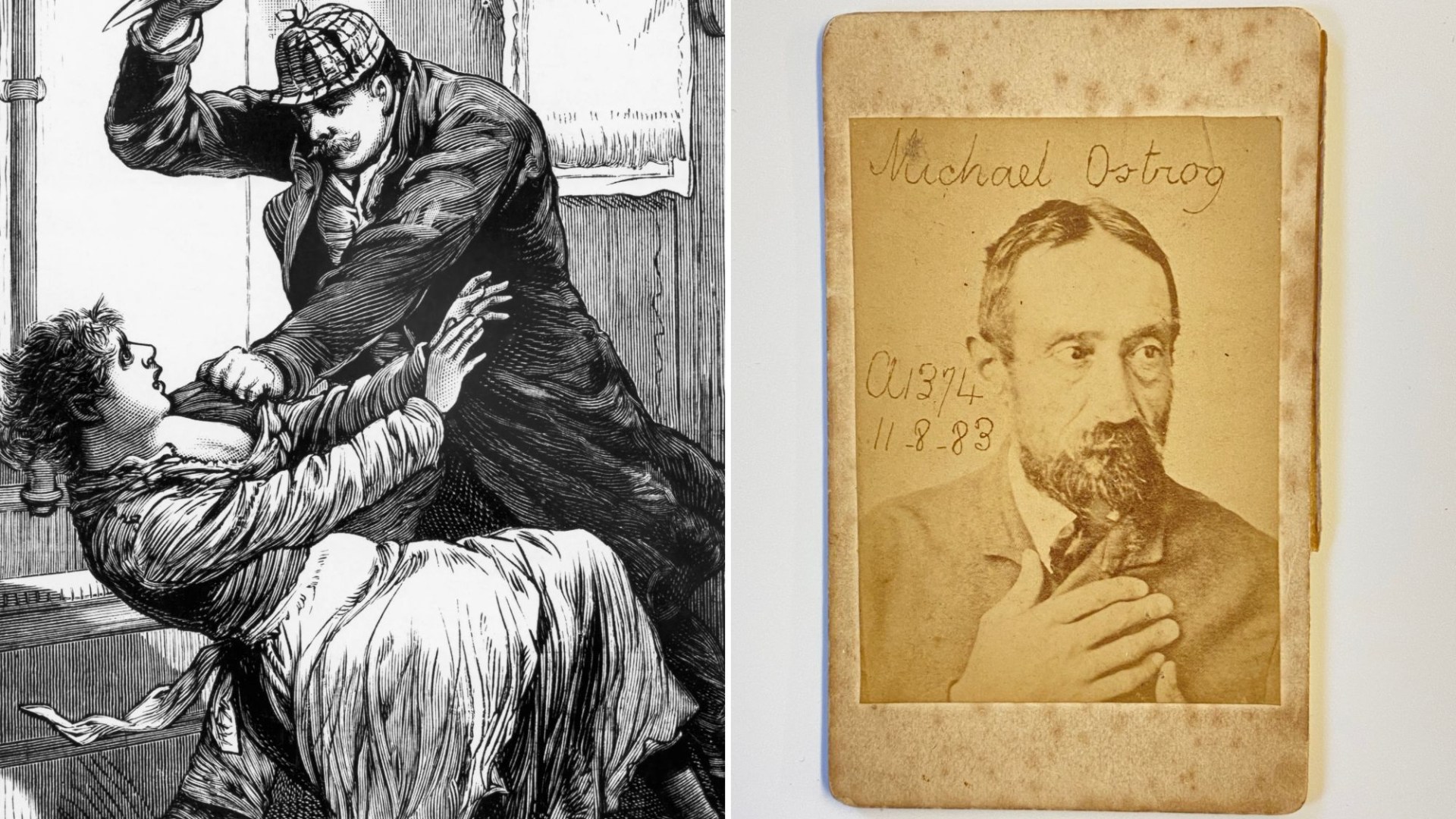
Jack the Ripper, a name synonymous with terror and mystery, etched his gruesome legacy into the annals of criminal history during the autumn of 1888. His reign of terror in London’s Whitechapel district, marked by the brutal murders of at least five prostitutes, sparked unprecedented mass hysteria and captivated the world’s attention. The Ripper’s modus operandi, characterized by savage mutilations, including disembowelment and the removal of organs, instilled a primal fear that paralyzed the bustling Victorian capital. The streets, once vibrant with life, became eerily deserted after nightfall as the specter of the Ripper loomed large. The inability of Scotland Yard to apprehend the culprit, despite intense public scrutiny and criticism, further fueled the panic and cemented the Ripper’s legend.
The investigation into the Whitechapel murders was hampered by the overwhelming workload faced by the under-resourced police force. Inundated with criminal investigations in the rough East End, they struggled to keep pace with the escalating terror. The lack of progress and the continued string of gruesome killings led to public outcry and widespread derision of the police’s efforts. Frustrated by the official investigation, citizens formed the Whitechapel Vigilance Committee, taking matters into their own hands. These volunteers patrolled the streets in search of suspects and even hired private detectives, determined to bring an end to the reign of terror gripping their community.
The nature of the Ripper’s crimes, marked by their surgical precision and apparent lack of aversion to blood, led investigators to focus on local butchers and surgeons as prime suspects. Even Queen Victoria, deeply disturbed by the harrowing details of the murders, theorized that the perpetrator must be a butcher. The timing of the killings, often occurring on weekends or public holidays, further suggested that the Ripper was a regular worker who lived in the vicinity. Despite these suspicions and numerous investigations, the Ripper’s identity remained shrouded in mystery, giving rise to countless theories and speculations.
The passage of time has done little to diminish the fascination with the Jack the Ripper case. “Ripperologists” continue to pore over the evidence, seeking to unravel the enigma that has captivated the world for over a century. The list of suspects has grown to encompass over one hundred individuals, each with their own proponents and detractors. Among the most prominent suspects are James Maybrick, a cotton merchant who died a year after the final Ripper murder, whose alleged diary detailed the crimes but remains a subject of intense debate regarding its authenticity. Thomas Cutbush, a violent criminal with a known hatred of prostitutes and a morbid fascination with medicine and surgery, also features prominently on the list. Even the respected poet Francis Thompson, known to have frequented the Whitechapel area and with surgical experience, has been implicated due to his writings about killing.
The Ripper case holds a unique place in criminal history as the first to generate a global media frenzy. The intense speculation surrounding the killer’s identity continues to this day, with new theories and potential breakthroughs emerging periodically. In 2018, handwriting analysis of the “Dear Boss” letter and the “Saucy Jacky” postcard, two of the most infamous communications attributed to the Ripper, revealed linguistic and handwriting similarities, suggesting a common author. However, the authenticity of these letters, like many others sent to police and media during the Ripper’s reign, remains contested, with some believing they were fabricated by journalists to sensationalize the story and boost circulation.
More recently, a theory surfaced implicating Hendrik de Jong, a Dutch serial killer and sailor, as a potential suspect. De Jong, known to have murdered two wives in his homeland and to have frequented London, became a person of interest due to his documented violent history and potential access to the Whitechapel area. Another intriguing suspect is the American serial killer H.H. Holmes, whose great-great-great-grandson, lawyer Jeff Mudgett, has put forth evidence suggesting Holmes’ involvement. While the true identity of Jack the Ripper may forever remain elusive, the enduring fascination with the case serves as a testament to the enduring power of mystery and the human desire to understand the darkest depths of the criminal mind.