



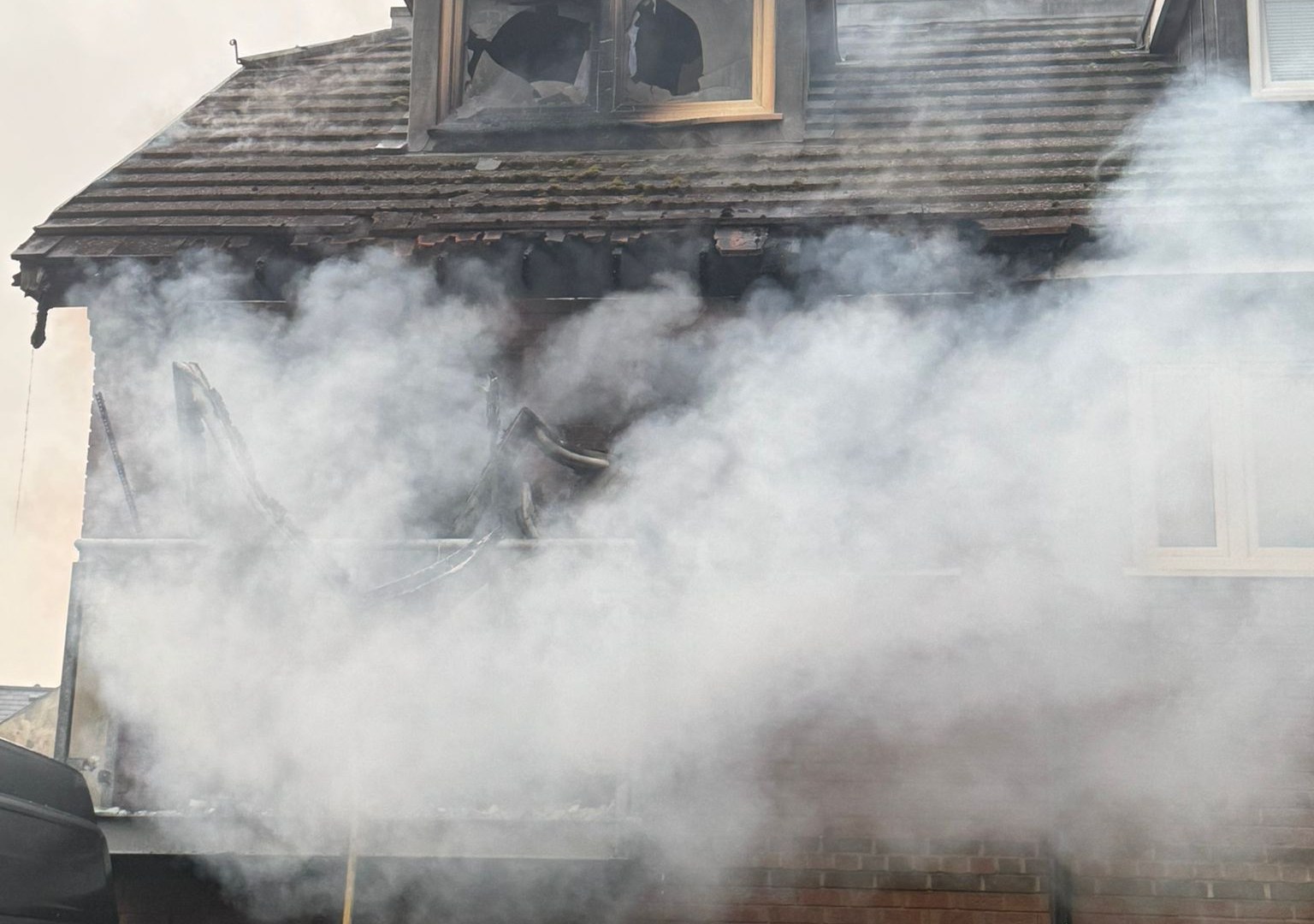
The devastating fire that ravaged a family home in Catford, South East London, on December 14, 2022, serves as a stark reminder of the growing fire risks associated with e-bikes and their batteries. The blaze, captured on chilling doorbell footage, rapidly engulfed the house, forcing two occupants to seek refuge on the roof. Tragically, one man fell, sustaining serious injuries, while a woman narrowly escaped a similar fate, rescued by a firefighter just as she slipped. The London Fire Brigade (LFB) attributed the inferno to a faulty e-bike battery, purchased online, which ignited while charging. This incident underscores the urgent need for increased awareness and stringent safety measures regarding e-bike batteries, particularly those sourced from unregulated online marketplaces.
The Catford incident is far from isolated. The LFB has reported a concerning surge in e-bike and e-scooter fires, with approximately 160 incidents recorded in London alone throughout 2022. This translates to a fire on average every other day, a statistic that paints a grim picture of the escalating danger. The rapid rise in popularity of e-bikes, coupled with the influx of cheaply manufactured and often uncertified batteries from online vendors, has created a volatile combination. The allure of discounted prices often overshadows the potential risks, leading consumers to purchase batteries that lack the necessary safety features and quality control, making them prone to overheating, short-circuiting, and ultimately, combustion.
The LFB’s Deputy Assistant Commissioner, Richard Field, aptly described the Catford fire as devastating, expressing relief that no lives were lost. His statement highlighted the inherent dangers of e-bikes and e-scooters, urging consumers to exercise extreme caution when purchasing these devices, especially online. The “too good to be true” deals often signal subpar quality and potential safety hazards, emphasizing the importance of prioritizing reputable vendors and certified products over enticing discounts. This incident serves as a wake-up call, not only for consumers but also for regulatory bodies, to implement stricter controls on the sale and importation of e-bike batteries.
The dangers of substandard e-bike batteries extend beyond the immediate risk of fire. The intense heat generated by these batteries during a fire can quickly spread to surrounding materials, leading to rapid and uncontrollable flames. The toxic fumes released during combustion further exacerbate the danger, posing serious health risks to occupants and firefighters alike. The potential for explosions adds another layer of complexity to these incidents, as witnessed in the Catford fire, where the force of the explosion could have contributed to the structural damage and the injuries sustained by the occupants.
The increasing frequency of e-bike fires necessitates a multi-pronged approach to address this emerging safety concern. Consumer education plays a vital role in promoting responsible purchasing habits. Potential buyers must be informed about the risks associated with cheap, uncertified batteries and encouraged to invest in reputable brands and certified products. Retailers, both online and brick-and-mortar, should be held accountable for ensuring the safety and quality of the products they sell, with stricter regulations on the importation and sale of e-bike batteries. Manufacturers also bear responsibility for implementing rigorous quality control measures and developing safer battery technologies.
Beyond consumer awareness and regulatory oversight, ongoing research and development into safer battery technologies are crucial. The rapid advancements in battery technology offer promising solutions, including solid-state batteries, which are considered inherently safer and less prone to thermal runaway. Investing in research and development of such technologies could significantly mitigate the fire risks associated with e-bikes and pave the way for a safer and more sustainable future for this increasingly popular mode of transportation. The Catford fire serves as a tragic but vital lesson, prompting a collective effort from consumers, manufacturers, retailers, and regulatory bodies to prioritize safety and prevent future tragedies.