


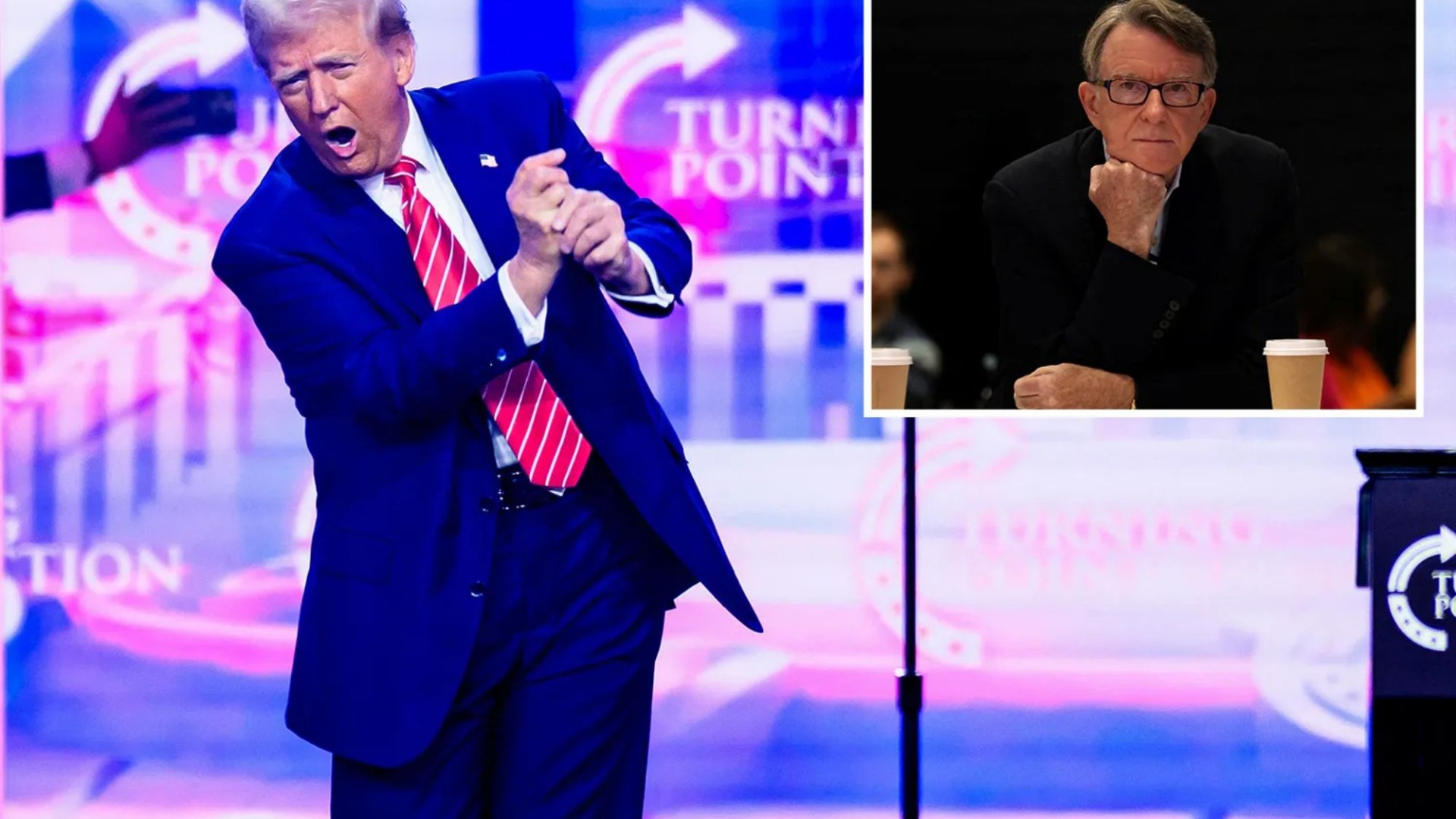
The recent appointment of Lord Peter Mandelson as the UK’s next ambassador to the US has sparked controversy, particularly within the circles of former President Donald Trump. Chris LaCivita, a key figure in Trump’s 2024 campaign, publicly criticized the appointment, labeling Mandelson an “absolute moron” and suggesting he remain in the UK. LaCivita contrasted Mandelson with his predecessor, Dame Karen Pierce, whom he praised as a universally respected professional. This disparaging remark ignited a swift rebuttal from Downing Street, which firmly rejected LaCivita’s assessment and underscored Mandelson’s extensive experience in foreign and economic policy, particularly in trade and business relations. The government emphasized Mandelson’s high-level government background and portrayed his appointment as a strategic move to strengthen the crucial UK-US relationship.
The appointment comes at a pivotal moment in UK-US relations, following the recent US presidential election. While the UK government has expressed confidence in Mandelson’s ability to navigate the complex diplomatic landscape, his past comments regarding Nigel Farage, a prominent Brexit advocate and ally of Donald Trump, have added another layer of complexity to the situation. Mandelson previously suggested that Farage could play a role in bridging the gap between the Labour Party and the Republican Party, a suggestion that has raised eyebrows given Farage’s controversial political stance and close ties with Trump. This proposition further fuels speculation about the potential dynamics between the incoming ambassador and the Trump-influenced Republican Party.
Downing Street’s robust defense of Mandelson’s appointment signals the importance the UK government places on maintaining a strong diplomatic relationship with the United States. The government’s spokesperson emphasized Mandelson’s “significant asset” status and highlighted his expertise in key areas like trade and business, crucial aspects of the bilateral relationship. This response underscores the UK’s commitment to engaging constructively with the new US administration, despite the challenges posed by the existing political climate and the controversial nature of Mandelson’s appointment within certain political circles.
The controversy surrounding Mandelson’s appointment highlights the delicate balance the UK government must strike in navigating the post-election landscape in the US. While the government seeks to foster a strong working relationship with the new administration, it must also contend with the lingering influence of Donald Trump and his allies, some of whom harbor reservations about Mandelson’s suitability for the role. This delicate balancing act requires careful diplomacy and a strategic approach to building bridges and maintaining open channels of communication.
The appointment of Mandelson also throws into sharp relief the complexities of UK domestic politics and its interplay with international relations. Mandelson’s suggestion regarding Farage’s potential role has ignited debate within the UK political sphere, with some viewing it as a pragmatic attempt to foster dialogue while others criticize it as an inappropriate alignment with a controversial figure. This internal political discourse adds another dimension to the challenges Mandelson faces as he prepares to assume his ambassadorial duties.
Ultimately, Mandelson’s success as ambassador will depend on his ability to navigate these multifaceted challenges. He must effectively represent the UK’s interests while simultaneously building rapport with the new US administration, navigating the complexities of US domestic politics, and managing the fallout from his own previous statements. His performance will be closely scrutinized on both sides of the Atlantic, and his ability to effectively bridge divides and foster productive dialogue will be crucial to the success of his ambassadorship.