

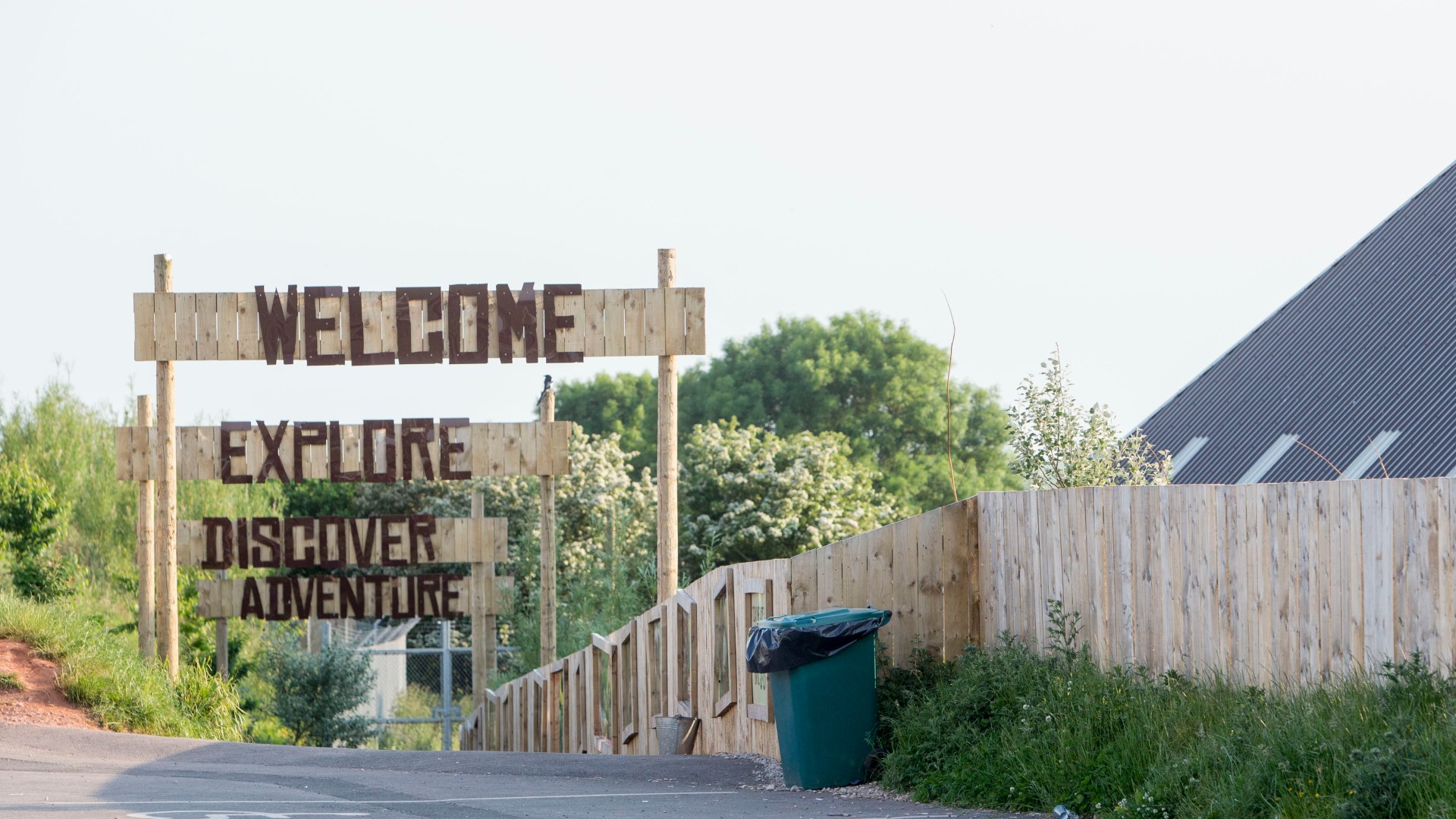
The closure of South Lakes Safari Zoo, formerly known as South Lakes Wild Animal Park, marks the end of a long and troubled history marred by animal welfare concerns and tragic incidents. The Cumbria attraction, once a popular destination boasting up to 500,000 visitors annually, has been under intense scrutiny for years, culminating in the announcement of its permanent closure at the end of 2024. Animal rights campaigners, who have tirelessly advocated for the zoo’s closure for nearly a decade, celebrated the news, hailing it as a long-overdue victory for animal welfare. They now urge authorities to prioritize the responsible rehoming of the remaining animals to appropriate sanctuaries where their well-being can be ensured.
The zoo’s founder, millionaire businessman David Gill, established the attraction in 1994. However, its success was overshadowed by a series of controversies and tragedies. In 2008, Gill was the victim of a violent attack on zoo grounds stemming from a personal dispute. A man, enraged over an alleged affair with Gill’s wife, broke into the property and assaulted him with a Stanley knife. Gill survived the attack and continued to operate the zoo, but the incident foreshadowed the darker times ahead.
The most devastating event occurred in 2013 when zookeeper Sarah McClay, just 24 years old, was fatally mauled by a Sumatran tiger named Padang. The tiger had gained access to the area where McClay was working due to an unlocked gate, highlighting serious safety deficiencies at the zoo. The zoo subsequently admitted to health and safety breaches, and the tragic incident fueled public outcry and increased scrutiny of the zoo’s practices.
In 2017, South Lakes Safari Zoo faced potential closure following a petition signed by 300,000 people demanding that the local council refuse to renew its license. The petition was prompted by an investigation revealing an alarmingly high death toll of nearly 500 animals over a four-year period. The deaths included a jaguar that chewed off its own paw due to stress, two snow leopard cubs found partially consumed, a rhino crushed to death, and numerous other animals that had to be euthanized or died due to accidents or neglect. Despite the public outcry and the appalling record, the council granted a new license after Gill transferred ownership to a new company and promised significant improvements.
Despite the change in ownership and the assurances of improved animal welfare, the zoo continued to face criticism. In 2022, undercover investigators documented concerning conditions, including monkeys huddled near heat lamps for warmth, rhinos confined to cramped stalls, and a giraffe with overgrown hooves. These findings further eroded public trust and reinforced the concerns of animal welfare advocates. Even after being granted a six-year license renewal in 2021 based on apparent improvements, the ongoing pressure and negative publicity likely contributed to the final decision to close.
The zoo’s closure announcement brings a sense of relief to animal welfare organizations, although concerns remain about the future of the animals. Born Free, a prominent animal welfare charity, emphasizes the need for a clear plan to ensure the animals’ welfare during the transition and their eventual placement in suitable sanctuaries. The zoo’s statement invites the public to visit and share memories before the closure, but the focus for animal welfare groups remains firmly on securing the best possible outcome for the animals who have endured years of subpar conditions at South Lakes Safari Zoo. The closure serves as a reminder of the importance of rigorous oversight and the ethical considerations surrounding captive animal welfare.