



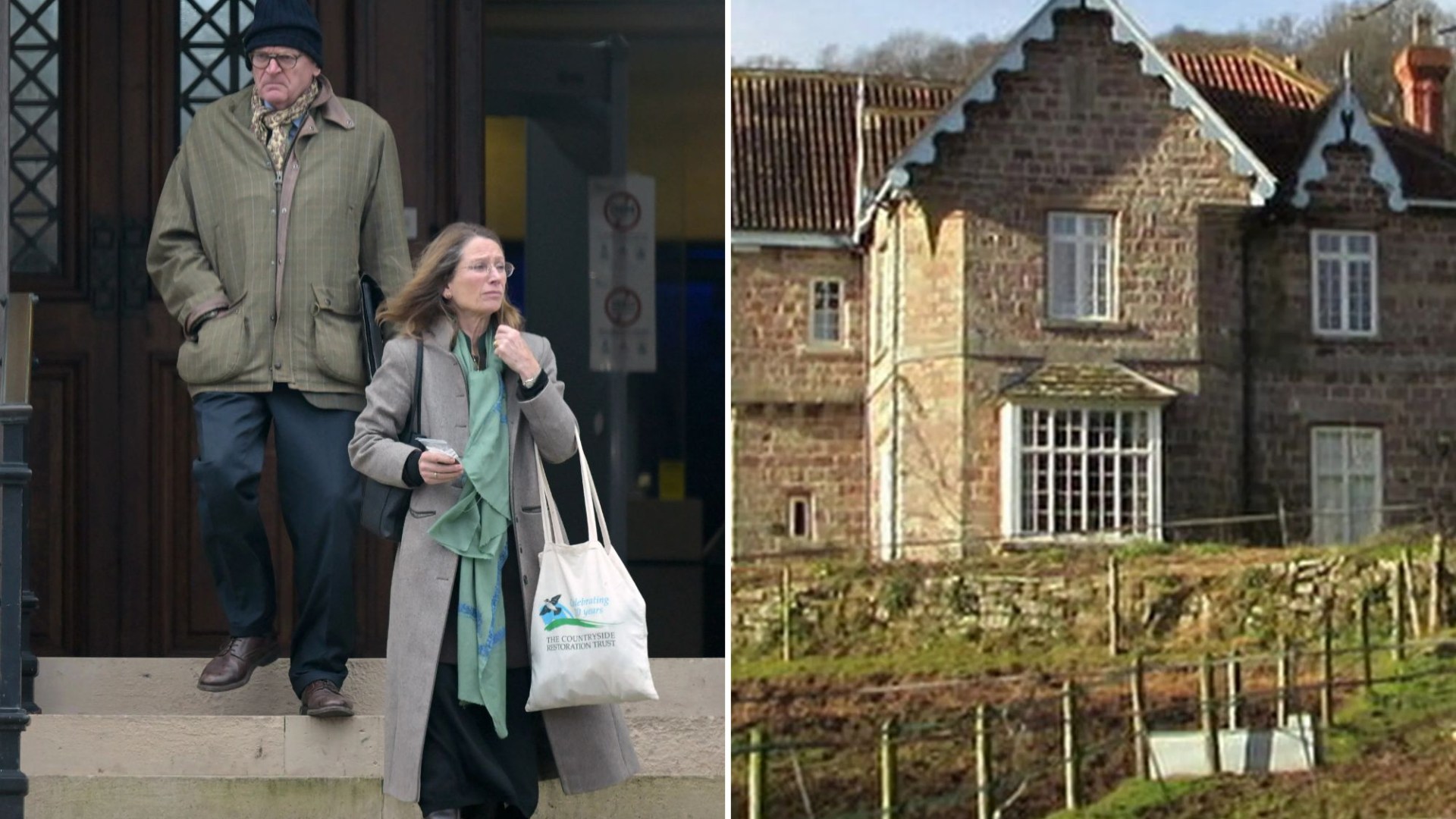
Nicholas and Anthea Prest, a wealthy couple residing in a £2.5 million mansion in Monmouthshire, are facing legal proceedings following the tragic death of Paul Marsden, a self-employed gardener, on their property in April 2020. Mr. Marsden, 47, was discovered deceased beneath an all-terrain vehicle (ATV), commonly known as a quad bike, while performing groundskeeping duties. A post-mortem examination determined the cause of death to be asphyxia. While an inquest has already taken place, the Prests are now facing charges brought by the Health and Safety Executive under the Health and Safety at Work Act. They are not facing manslaughter charges.
The charges against the Prests revolve around alleged failures to ensure the safety of workers on their property, specifically concerning the use of the quad bike involved in the incident. The first charge alleges that the couple failed to provide adequate training, suitable equipment, and necessary personal protective equipment (PPE) for individuals, including Mr. Marsden, operating ATVs on their premises. This charge points to a potential lack of oversight in ensuring that workers were properly equipped and informed on the safe operation of potentially hazardous machinery.
The second charge focuses on the safety of the ATV itself. The prosecution asserts that the Prests failed to take reasonable measures to guarantee the vehicle’s safety and to mitigate risks to non-employees, specifically Mr. Marsden, while the ATV was being used on their property. This charge suggests a possible negligence in maintaining the vehicle and ensuring it was in proper working order for safe operation. The prosecution will likely need to demonstrate that the condition of the ATV contributed to the accident.
The Prests, aged 71 and 70 respectively, appeared at Cardiff Crown Court to formally deny both charges. Mr. Prest, a former Ministry of Defence official and current chairman of a defence technology company, and his wife, a mother of three, entered not guilty pleas during a brief hearing. The judge granted unconditional bail to the couple, setting the stage for a trial scheduled to commence in October of the following year. The upcoming trial will delve deeper into the circumstances surrounding Mr. Marsden’s death and assess the Prests’ culpability in the incident.
The proceedings are being closely followed by Mr. Marsden’s family. His brother, Gary, and father, John, were granted permission by the judge to attend the hearing remotely via video link, highlighting the emotional impact of the case on the deceased gardener’s loved ones. The trial will undoubtedly be a difficult period for the family as they seek answers and accountability for Mr. Marsden’s untimely demise. The court will have to consider the evidence presented by both the prosecution and the defence to determine whether the Prests’ actions, or lack thereof, contributed to the tragic accident.
The case against the Prests underscores the importance of workplace safety regulations, especially concerning the operation of potentially dangerous machinery like ATVs. The prosecution’s focus on training, equipment, and the condition of the ATV itself highlights the multiple facets of safety that employers, even in domestic settings, are expected to uphold. The outcome of the trial will likely have implications for how safety standards are interpreted and enforced in similar contexts. The case also brings into focus the potential consequences of neglecting these responsibilities, not only legally but also in terms of the devastating human cost.
The trial will undoubtedly involve a detailed examination of the events leading up to Mr. Marsden’s death. Expert testimony might be presented regarding the safe operation of ATVs, the adequacy of the training and PPE allegedly provided, and the condition of the specific ATV involved in the incident. The prosecution will need to establish a causal link between the Prests’ alleged failures and Mr. Marsden’s death, while the defense will likely argue that the accident was not a direct result of their actions or omissions. The court’s decision will ultimately hinge on the weight of the evidence presented and the persuasiveness of both legal teams.