
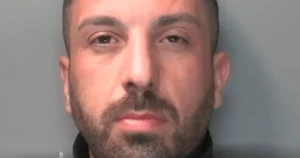


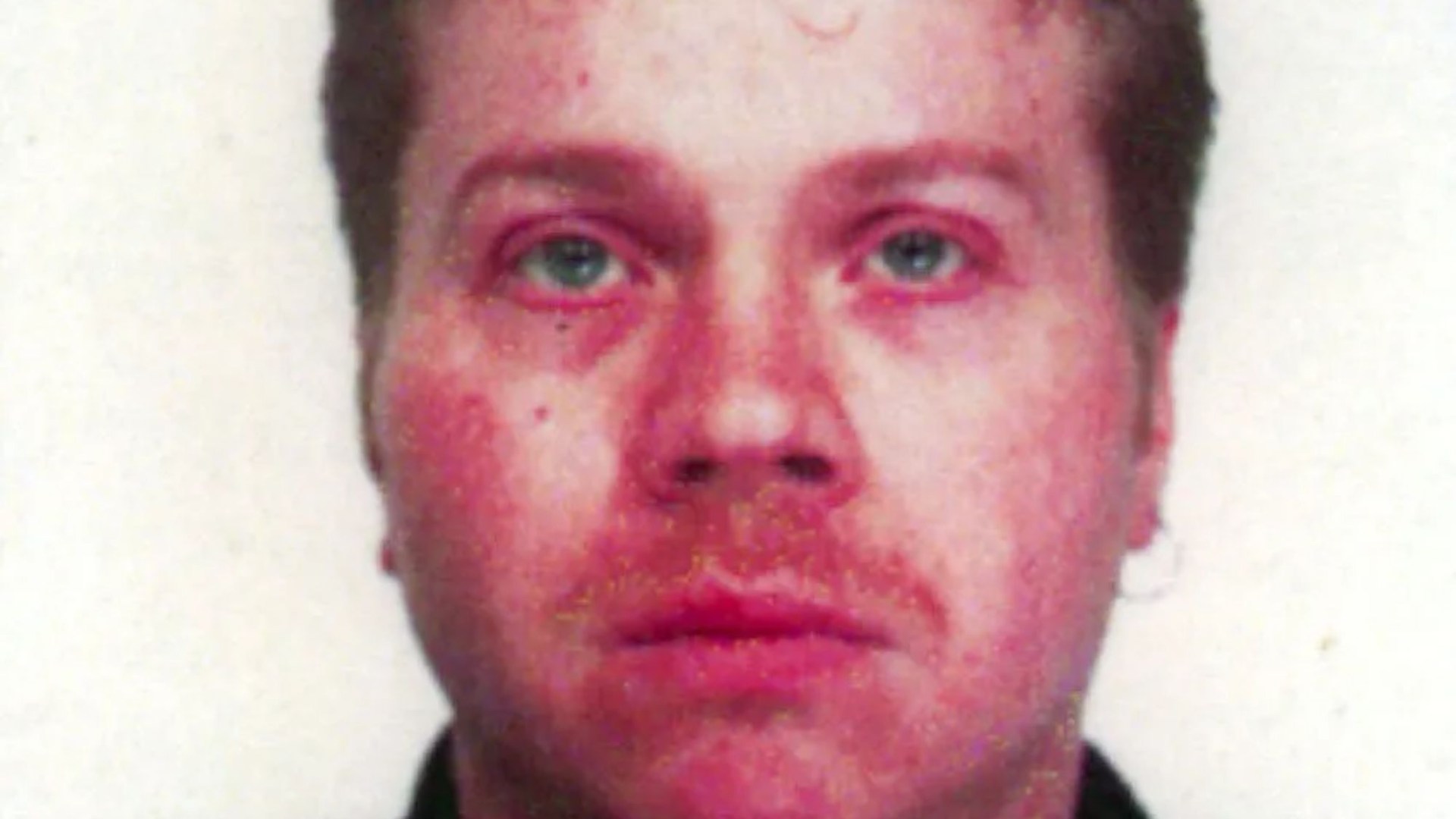
Phillip Austin, a 55-year-old former forklift driver, is serving a life sentence for the horrific 2000 murders of his wife, Claire, 31, and their two young children, Keiran, 8, and Jade, 7, in their Northampton home. Austin not only strangled and stabbed his wife but also throttled his children and bludgeoned the family’s two poodles to death. His heinous crimes recently resurfaced in the public eye due to a repeat broadcast of an episode of Sky’s “Britain’s Most Evil Killers,” a documentary series that profiles notorious criminals. This renewed attention brought about significant consequences for Austin within the prison walls.
The re-airing of the documentary ignited a “confrontation” between Austin and another inmate within the high-security prison where he is incarcerated. The Parole Board, responsible for assessing the suitability of prisoners for release or transfer, heard details of this incident during a recent hearing concerning Austin’s request for a move to a lower-security, open prison. This incident, occurring in November 2024, underscores the deep-seated animosity towards Austin held by his fellow inmates, who consider him to be among the most despicable criminals, even within a population of murderers and rapists.
Austin’s crimes, particularly the brutal killing of his young children, have earned him a reputation as the “lowest of the low” within the prison hierarchy. The television documentary, which detailed the horrific nature of his offenses, served as a stark reminder of his depravity, further fueling the contempt felt by other inmates. This resulted in physical altercations following the broadcast, highlighting the volatile environment Austin now faces within the prison. The documentary’s impact demonstrates the power of media in shaping public perception and, in this case, influencing the dynamics within a prison setting.
The Parole Board, in its review of Austin’s case, ultimately denied both his request for release and his application for transfer to an open prison. Their decision was based on a comprehensive assessment of the risk Austin poses to the public and whether that risk could be effectively managed within the community. The Board concluded that Austin’s continued confinement in a high-security prison is necessary to protect public safety. The incident in November 2024, triggered by the documentary broadcast, further cemented the Board’s decision, indicating that Austin’s rehabilitation, if any, requires the structured environment of a closed prison.
The Parole Board’s decision emphasizes their primary focus on public safety. While the incident within the prison contributed to their assessment, the fundamental concern remains the potential danger Austin represents if released. The Board determined that any further rehabilitative efforts for Austin should be conducted within the secure confines of a closed prison, where his behavior can be closely monitored and controlled. This approach prioritizes the safety of the community over any potential benefits of transferring Austin to a less restrictive environment.
The case of Phillip Austin highlights the enduring consequences of violent crime, not only for the victims and their families but also for the perpetrator. His actions have placed him in a position of extreme vulnerability within the prison system, where he is ostracized and targeted by other inmates. The re-broadcast of the documentary served as a catalyst, exacerbating the already hostile environment he faces. Ultimately, the Parole Board’s decision reflects the gravity of his crimes and the ongoing need to protect the public from the potential threat he poses. Austin’s future remains confined within the walls of a high-security prison, a testament to the long-lasting repercussions of his horrific acts.