



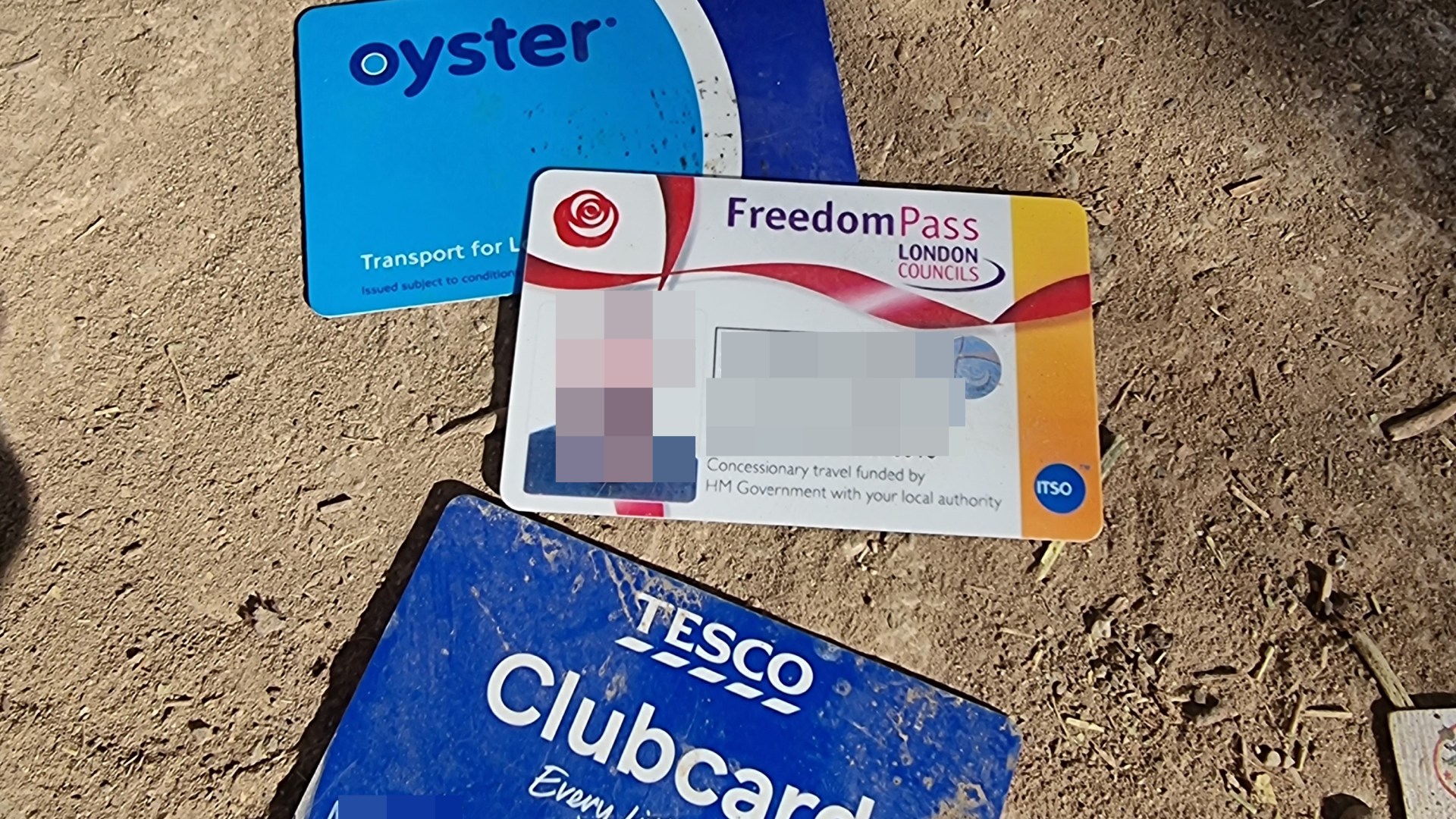
The recent discovery of a Tesco Clubcard and an Oyster travel card within a vast prison complex unearthed beneath the Mezzeh military base near Damascus has raised serious concerns about the potential torture of British nationals in Syrian prisons under the Assad regime. The complex, uncovered by Hayat Tahrir al-Sham (HTS) forces after a swift offensive that toppled Assad’s rule, reveals a chilling network of detention centers used to silence dissenters and political opponents. The presence of British-issued cards amongst piles of identification documents, along with evidence of drug use, suggests the possibility that UK citizens were among the many victims detained and subjected to brutal treatment in these “human slaughterhouses.” While the identity on the discovered cards has been withheld out of respect for the individual’s family, it appears they were a London resident. The Foreign Office has refrained from commenting on individual cases.
The Mezzeh military base discovery is not an isolated incident. Across Syria, similar “butcher rooms” have been uncovered, revealing the horrifying extent of Assad’s repression. These grim discoveries follow the rapid collapse of the Assad regime after a 12-day offensive by HTS rebels. Assad, who had ruled Syria with an iron fist for years, fled the country, claiming exile in Russia after his hiding place was bombed. The liberated prisons now offer a grim insight into the regime’s brutality, with evidence of torture and extrajudicial killings. The discovery of mass graves across the country further underscores the regime’s systematic violence. Families of the missing are now desperately searching these sites for any trace of their loved ones.
The discovery of foreign identification cards, including British, Italian, and Libyan IDs, indicates that the Assad regime targeted individuals from various nationalities. An HTS commander, Abu Ahmed, revealed that while most of the cells at Mezzeh were empty, around 100 detainees were found, with suspicions of more prisons remaining undiscovered beneath the ground. The presence of foreigners is significant, as they were considered high-value prisoners by the regime, potentially used for negotiations or leverage. The secrecy surrounding these foreign detainees highlights the regime’s calculated efforts to conceal their capture and the atrocities committed against them. The search for remaining prisoners is a race against time, with HTS forces employing canine teams to locate hidden cells and prevent further deaths.
The collapse of the Assad regime and the subsequent liberation of prisons have unveiled the true scale of the atrocities committed. The notorious Sednaya Prison, for example, yielded a “Book of Death” containing the names of 29,000 executed inmates. A chilling “butcher room” within the prison revealed evidence of dismemberment and the use of acid to dissolve bodies. The horrific scene, with its sawing machines, body slab, and lingering traces of human remains, testifies to the systematic brutality inflicted on prisoners. Assad’s downfall has brought to light the extent of his cruelty, despite his claims of wanting to stay and fight. His flight to Russia, laden with cash, and the alleged sale of military secrets to Israel to prevent weapons falling into the wrong hands, paint a picture of a desperate attempt to escape accountability.
The Assad dynasty’s reign, initiated by Hafez al-Assad’s 1971 coup, was marked by authoritarianism, suppression of dissent, and a cult of personality. Bashar al-Assad, initially seen as a potential reformer, continued his father’s repressive policies, ultimately sparking the Syrian Civil War in 2011. His brutal crackdown on protesters, including the use of chemical weapons, led to widespread devastation, displacement, and the rise of ISIS. While Assad, with support from Iran and Russia, initially gained the upper hand in the conflict, the recent rebel offensive swiftly overturned his control, forcing him into exile. The rebels’ victory marks the end of over five decades of Assad family rule.
The fall of the Assad regime has sparked celebrations across Syria, with citizens toppling statues of the former dictator and his father. While HTS now controls the country, their de facto leader, Ahmed al-Sharaa, insists that Syria will not pose a threat to the world. However, the nation faces immense challenges in rebuilding after years of devastating conflict, which has displaced millions. Al-Sharaa, a former Jihadi, claims to have reformed and is tasked with leading the fractured nation towards recovery. The discovery of mass graves continues, a grim reminder of the widespread human cost of the conflict and the Assad regime’s brutality. The international community now faces the difficult task of assisting Syria in its transition to a more stable and peaceful future, addressing the needs of the displaced population and holding those responsible for the atrocities accountable.