



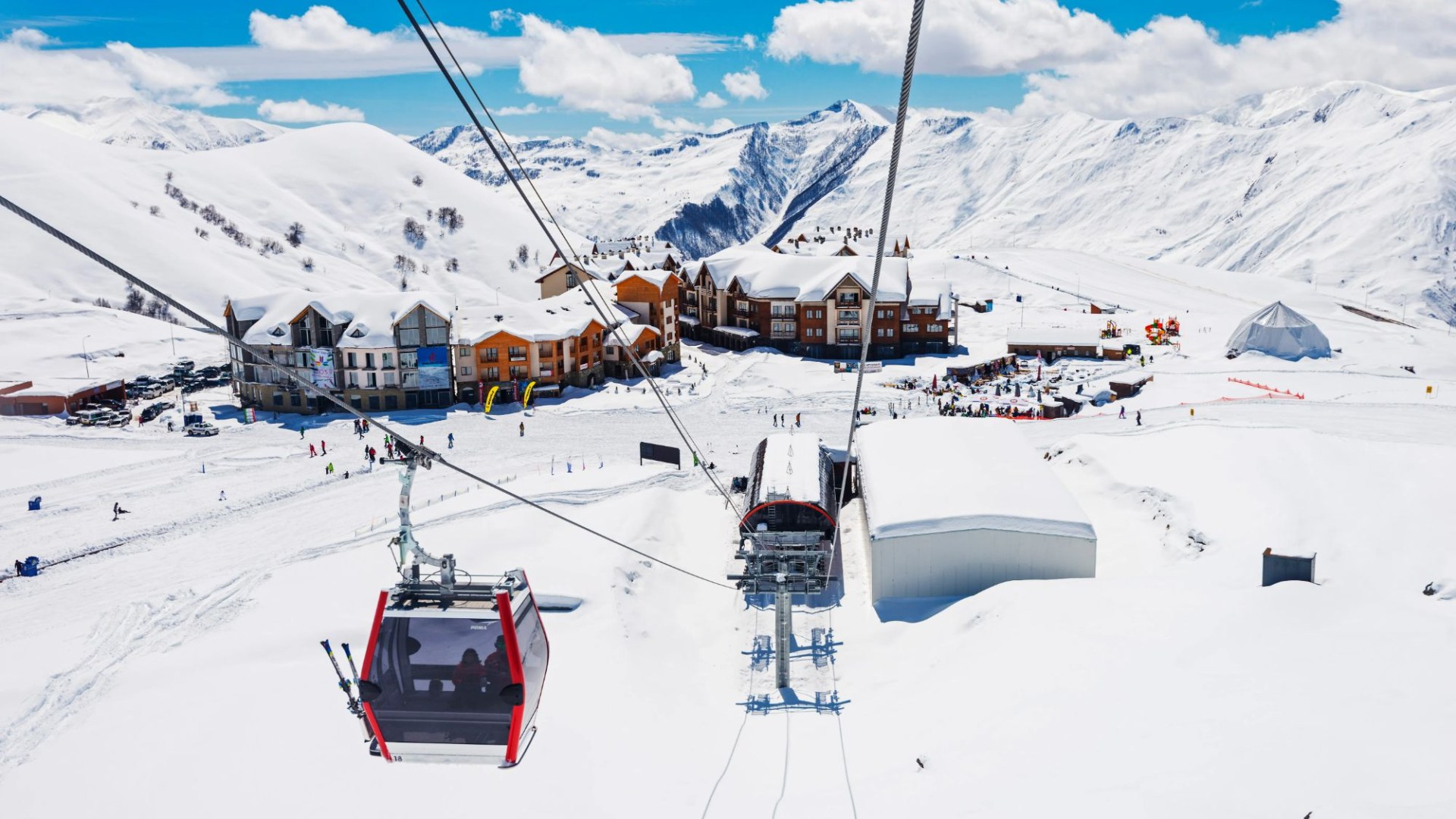
A tragic incident unfolded at the Gudauri ski resort in Georgia, claiming the lives of twelve individuals due to carbon monoxide poisoning. The victims, eleven foreigners and one Georgian national, were discovered in a sleeping area located above an Indian restaurant within the resort. Preliminary investigations by law enforcement officials ruled out any signs of violence, pointing towards accidental poisoning as the cause of death. Authorities believe the poisoning stemmed from an oil-powered generator that was activated following a power outage on Friday. The generator, likely intended as a temporary power source, appears to have emitted lethal levels of carbon monoxide, accumulating within the enclosed sleeping quarters and tragically asphyxiating the occupants. An official investigation is currently underway to determine the precise circumstances leading to this devastating event.
Gudauri, nestled in the breathtaking Caucasus Mountains approximately 75 miles north of Tbilisi, Georgia’s capital, is a renowned tourist destination. Its towering elevation of around 7,200 feet above sea level makes it a prime location for winter sports enthusiasts, attracting skiers and snowboarders from around the globe. The resort offers a diverse range of activities catering to all skill levels, from beginner slopes to challenging off-piste adventures. Its rich history dates back to the 19th century, when it served as a vital trading post along the historic Georgian Military Road, a crucial artery connecting Russia and Georgia. The recent tragedy casts a somber shadow over this popular winter wonderland, highlighting the potential dangers of carbon monoxide exposure, particularly in high-altitude environments where oxygen levels are already reduced.
Carbon monoxide (CO) is an odorless, colorless, and tasteless gas produced by the incomplete combustion of fuels such as oil, gas, wood, and coal. Its insidious nature makes it extremely difficult to detect without specialized equipment. When inhaled, CO binds to hemoglobin in the blood, effectively preventing oxygen from reaching vital organs and tissues. This deprivation of oxygen can lead to severe health consequences, including headaches, dizziness, nausea, confusion, loss of consciousness, and ultimately, death.
The Gudauri incident underscores the critical importance of carbon monoxide safety awareness, particularly in settings where generators or other fuel-burning appliances are used. Proper ventilation is essential to prevent the buildup of CO within enclosed spaces. Regular maintenance and inspection of fuel-burning equipment are also crucial to ensure they are functioning correctly and not emitting excessive levels of CO. Installing carbon monoxide detectors in homes, hotels, and other accommodations can provide an early warning system, potentially saving lives in the event of a CO leak.
The tragic loss of life at Gudauri serves as a stark reminder of the hidden dangers of carbon monoxide. While investigations continue to unravel the specific details leading to this incident, it highlights the necessity of proactive measures to prevent similar tragedies from occurring. Public awareness campaigns emphasizing the risks of CO poisoning and the importance of preventative measures are crucial. Furthermore, stringent regulations regarding the installation and maintenance of fuel-burning appliances, coupled with robust inspection protocols, can significantly reduce the risk of CO exposure.
The Gudauri incident is a heartbreaking illustration of how a seemingly innocuous power outage can lead to a catastrophic outcome. As authorities continue their investigation, it is hoped that lessons learned from this tragedy will contribute to enhanced safety standards and increased awareness of carbon monoxide poisoning, ultimately preventing future loss of life. The focus now shifts to supporting the families of the victims and ensuring that measures are implemented to prevent a similar tragedy from occurring again in this beautiful yet potentially hazardous mountain environment.