



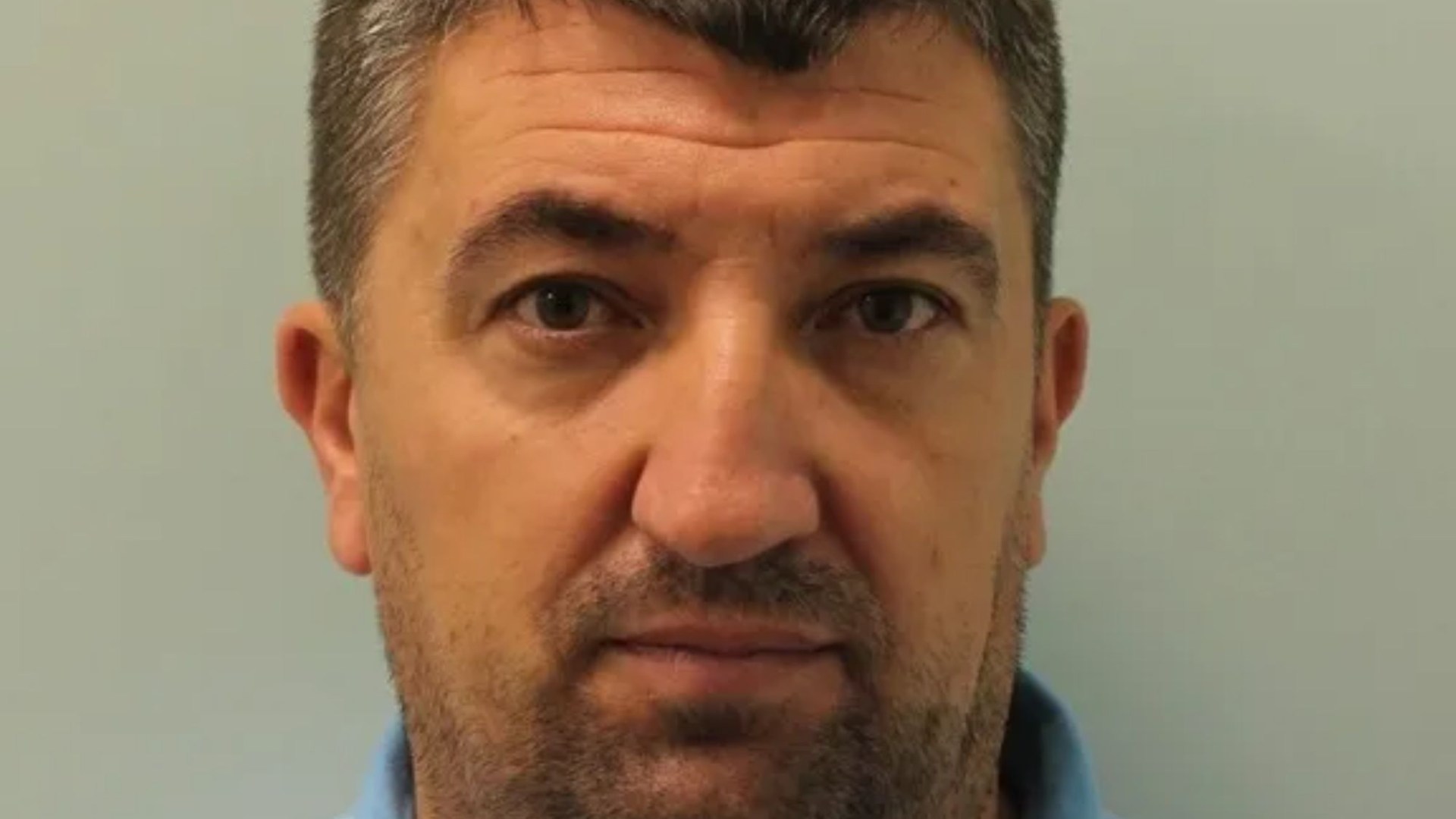
Myrteza Hilaj, a 51-year-old Albanian national, orchestrated a human smuggling operation, transporting illegal immigrants into the United Kingdom via private jet. He charged individuals up to £10,000 for the flight from Le Touquet, France, to Stapleford Aerodrome in Essex, bypassing standard immigration procedures. Hilaj, along with his accomplice Kreshnik Kadena, was apprehended and convicted in March 2024, receiving a three-and-a-half-year prison sentence for facilitating breaches of immigration law. This conviction triggered an investigation into Hilaj’s own immigration status, revealing a history of deception and missed opportunities by the Home Office to address his fraudulent claims.
Hilaj initially entered the UK in 1999, posing as a Kosovan refugee fleeing the war. He fabricated a story of familial loss and destruction at the hands of Serbian forces. This claim, deemed not credible, was rejected in 2000. However, instead of deportation, Hilaj remained in the UK without proper documentation until 2008. Astonishingly, he was then granted permanent leave to remain, perpetuating his false Kosovan identity. This occurred despite his parents, during their own visa application process to visit him, revealing his true Albanian nationality. Furthermore, Hilaj himself admitted to multiple visits to Albania in Home Office forms, yet these inconsistencies were overlooked.
In 2013, after nearly 14 years residing in the UK under false pretenses, Hilaj was granted British citizenship. This egregious oversight allowed him to continue his criminal activities, exploiting the very system that had granted him refuge. His web of lies began to unravel following his arrest for people smuggling. Then-Home Secretary Sajid Javid initiated proceedings to revoke his citizenship in 2018, after an investigation exposed his deceptive acquisition of British nationality.
Hilaj challenged the revocation, admitting to his fabricated Kosovan identity but invoking human rights laws to argue against deportation. He cited his marriage to a British citizen as a reason to remain in the UK. In a bewildering initial decision, a first-tier immigration tribunal accepted his argument. However, this ruling was subsequently overturned on appeal by the Home Office, demonstrating the complexities and inconsistencies within the immigration system. The Home Office successfully argued that Hilaj’s deceitful actions and continued threat to national security justified the deprivation of his citizenship.
Judge Christopher Hanson, presiding over the appeal, affirmed the revocation, highlighting Hilaj’s dishonest manipulation of the immigration system. Hanson stated that Hilaj’s deception, including the falsification of application forms, provided sufficient grounds for the decision. This ruling paved the way for Hilaj’s deportation upon completion of his prison sentence. The case highlights the vulnerabilities of the immigration system and the imperative for stricter vetting processes to prevent such exploitation.
The Hilaj case sparked political debate, with calls for more stringent measures against individuals convicted of people smuggling, particularly those holding dual nationality. Former Tory frontbencher Sir Alec Shelbrooke advocated for the automatic revocation of British citizenship for such individuals, emphasizing a systemic failure in not implementing a single court of appeal system as previously proposed by former Home Secretary Priti Patel. This case further underscored the ongoing debate surrounding human rights laws and their application in cases involving national security and criminal activity.
The Supreme Court, earlier in 2024, had affirmed the government’s power to strip citizenship from individuals deemed a threat to national security, including terrorists and serious criminals. This legal backing reinforces the Home Secretary’s authority to revoke citizenship in cases like Hilaj’s. The case serves as a stark reminder of the need for robust immigration controls and the importance of addressing loopholes that can be exploited by criminals. It also highlights the ongoing challenge of balancing human rights considerations with the imperative to protect national security and maintain the integrity of the immigration system.