


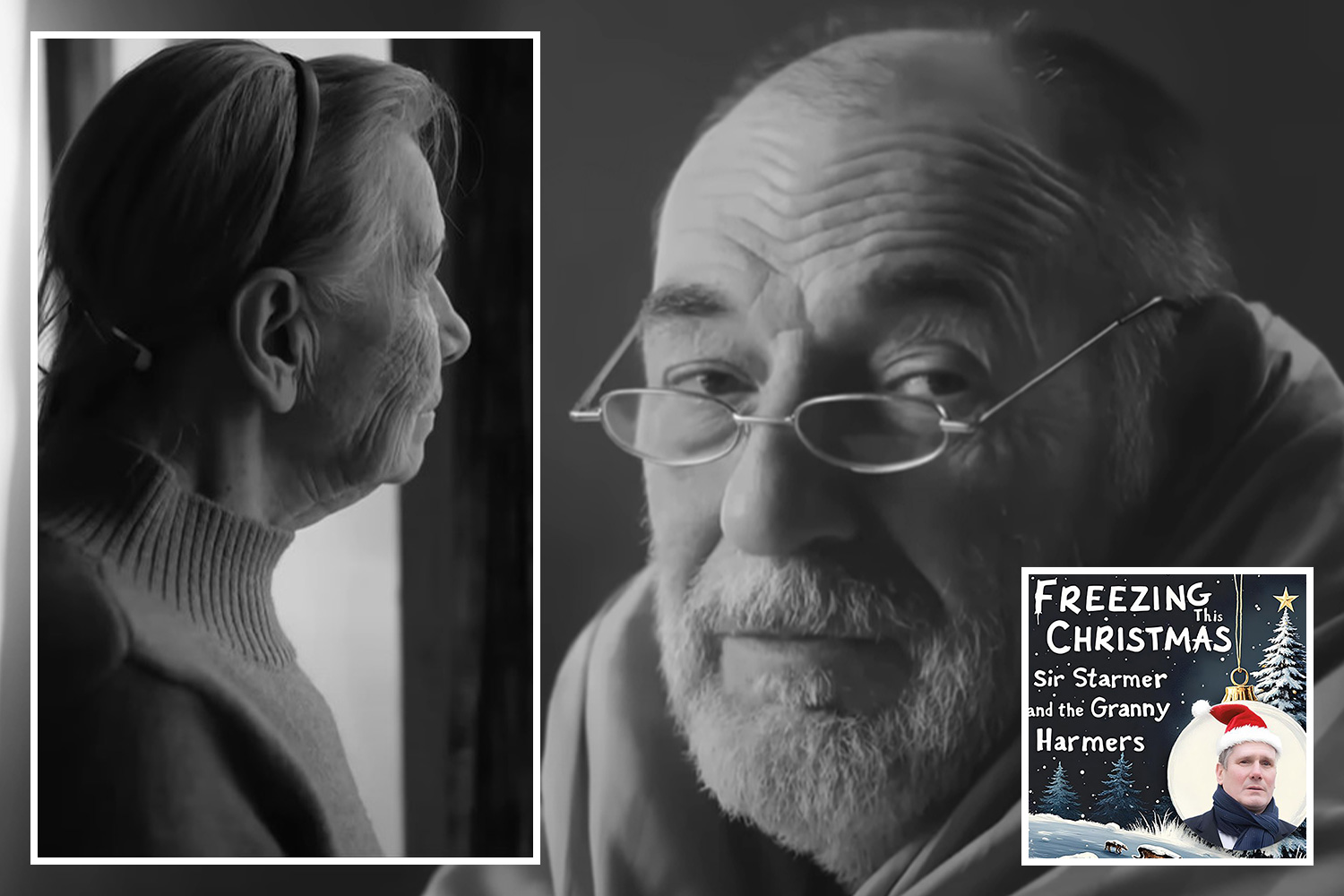
The BBC finds itself embroiled in a growing controversy surrounding its potential airplay of a satirical Christmas song targeting Labour leader Sir Keir Starmer. “Freezing This Christmas,” performed by the fictional band “Sir Starmer and the Granny Harmers,” mocks a hypothetical scenario where Starmer, as Prime Minister, scraps winter fuel payments for pensioners. The song’s lyrics paint a bleak picture of elderly people struggling to stay warm during the festive season, juxtaposed with the assumed comfort of Starmer himself. This pointedly critical narrative has resonated with some, propelling the song up the music charts and fueling demands for the BBC to include it in its festive playlists.
The song’s creators, freelance writer Chris Middleton and Rat Pack tribute singer Dean Ager, accuse major radio stations, including the BBC, of deliberately suppressing their track, hindering its chances of achieving Christmas number one status. They argue that this alleged censorship undermines the song’s satirical message and limits its reach to a wider audience. This claim further complicates the debate, raising questions about artistic freedom, political bias, and the role of public broadcasters in showcasing potentially controversial content.
Conservative MPs have seized upon the controversy, demanding that the BBC demonstrate its impartiality by airing the song. They frame the song as a legitimate form of political satire, highlighting what they perceive as the hypocrisy of Labour’s stance on public spending, suggesting that prioritizing union pay deals over pensioners’ welfare is a serious concern that deserves public scrutiny. This political dimension adds another layer to the debate, transforming the song from a humorous parody into a battleground for opposing political ideologies.
The BBC, however, maintains that its playlist decisions are based solely on audience relevance and contextual appropriateness. This carefully worded response avoids directly addressing the accusations of political censorship while emphasizing the broadcaster’s commitment to serving its listeners’ diverse tastes and interests. The delicate balance between impartiality and catering to public demand remains a constant challenge for the BBC, particularly during politically charged periods like the lead-up to Christmas.
This controversy underscores the enduring power of music as a vehicle for political commentary and satire. “Freezing This Christmas,” whether intentionally or unintentionally, has tapped into a sensitive issue – the well-being of vulnerable pensioners during the winter months – and transformed it into a cultural talking point. The song’s success, despite alleged media suppression, demonstrates the potential of grassroots campaigns and online platforms to bypass traditional gatekeepers and reach a wide audience. It also highlights the ongoing tension between artistic expression, political messaging, and the role of public broadcasters in navigating these complex dynamics.
Furthermore, the controversy reveals the complexities of satire in the digital age. While satire has historically played a crucial role in holding power to account, its impact and interpretation can be amplified and distorted in the online environment. The speed at which information spreads, combined with the potential for misinformation and partisan interpretations, makes it challenging to control the narrative surrounding satirical content. In the case of “Freezing This Christmas,” the debate has moved beyond the song itself and become a proxy for wider political arguments about public spending, social welfare, and the perceived biases of the media. This incident serves as a reminder of the blurred lines between entertainment, political commentary, and the potential for controversy in the digital age.