



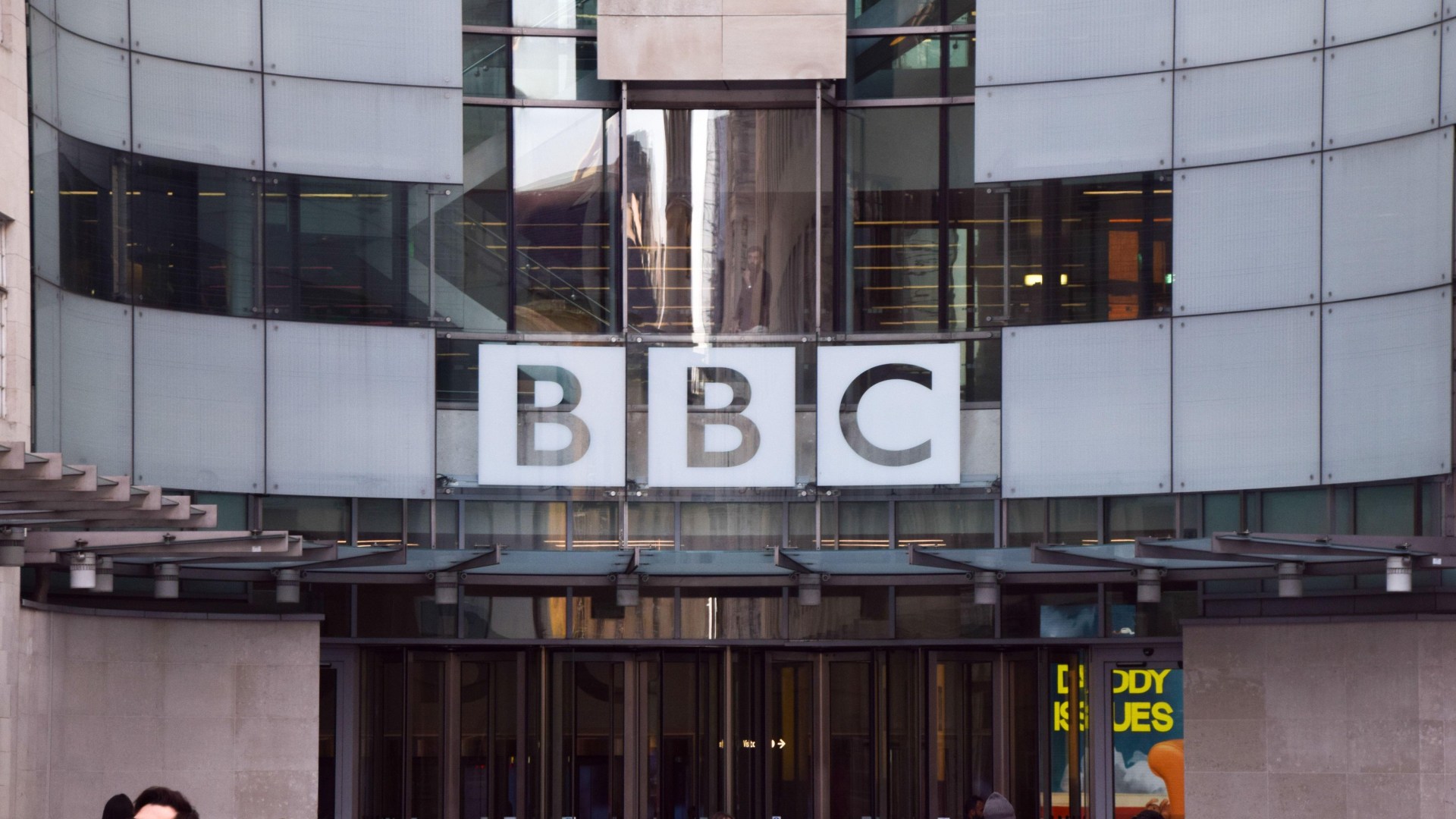
The British Broadcasting Corporation (BBC) is facing mounting pressure to address its internal culture and handling of misconduct allegations following a series of scandals involving high-profile figures. Culture Secretary Lisa Nandy has expressed serious concerns about the prevalence of “cultures of silence” within the organization, emphasizing the need for transparency, accountability, and a robust complaints system that protects individuals from retaliation. The recent cases of Huw Edwards, who admitted to making indecent images of children, and Gregg Wallace, who is under investigation for alleged inappropriate behavior, have highlighted the urgent need for reform. Nandy has warned that “no options are off the table” in the upcoming review of the BBC’s license fee, signaling a potential overhaul of its funding model and operational structure.
Nandy’s intervention underscores the gravity of the situation. Her direct communication with the BBC regarding the Wallace allegations and her public statements indicate a determination to hold the organization accountable. She has stressed the importance of a system where individuals feel safe to report misconduct without fear of jeopardizing their careers. The concern is that the existing mechanisms are insufficient, allowing inappropriate behavior to go unchecked and potentially enabling further harm. Nandy’s commitment to ensuring that “perpetrators are held to account” sends a clear message that a comprehensive review and meaningful action are expected.
The BBC has responded by asserting its commitment to maintaining high standards of conduct and fostering a “kind, inclusive, and respectful” workplace. However, the recent scandals have cast doubt on the effectiveness of these internal policies and procedures. The implication is that a deeper, systemic issue may be contributing to the recurring problems. The challenge for the BBC is not only to address the specific allegations but also to demonstrate a genuine commitment to cultural change that prevents future incidents.
The review of the BBC’s license fee adds another layer of complexity to the situation. While the BBC maintains that its public service obligations limit its ability to generate commercial revenue, the government seems prepared to consider alternative funding models. This raises questions about the long-term financial stability of the broadcaster and its ability to maintain its current programming and services. The outcome of the review could have significant implications for the future of the BBC, potentially reshaping its role and reach.
The connection between the cultural issues and the funding review is implicit in Nandy’s statements. The government’s willingness to consider drastic changes to the BBC’s funding model suggests a lack of confidence in the organization’s ability to manage its internal affairs effectively. The scandals have not only damaged the BBC’s reputation but also raised concerns about its governance and accountability. The review of the license fee provides an opportunity to leverage financial pressure to enforce necessary reforms and ensure a more responsible and transparent organizational culture.
Ultimately, the BBC faces a critical juncture. The pressure from the government, coupled with public scrutiny and internal challenges, demands a decisive response. The organization must demonstrate a genuine commitment to addressing the “cultures of silence” and fostering an environment where misconduct is not tolerated. The upcoming review of the license fee adds a further dimension to the challenge, potentially forcing the BBC to rethink its funding model and operational structure. The future of the BBC hinges on its ability to navigate these complex issues and regain public trust.