


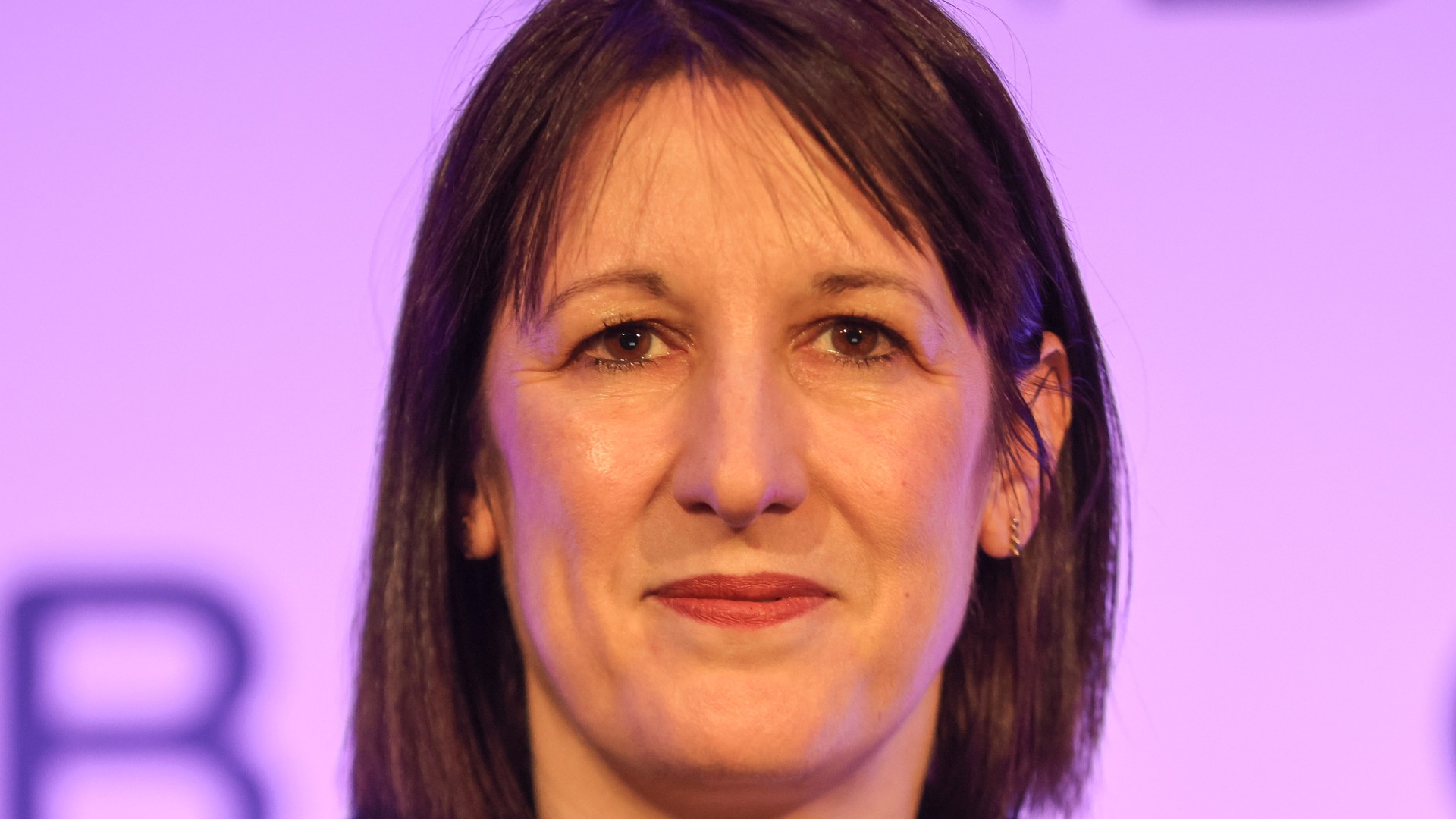
Labour’s inheritance tax raid has put around 125,000 jobs at risk and could wipe off almost £10 billion from the economy due to the cap on business property relief at £1 million. This has led to anger and calls for Chancellor Rachel Reeves to change her tax-raising package. The inheritance tax raid has angered family firms, farmers, and independent businesses, who fear that the changes announced in the Budget will reduce investment in their businesses and threaten their viability. More than 5,000 family firms could incur inheritance tax by 2030, leading to job losses and a decline in the economy’s goods and services.
CBI Economics has projected that the changes to business property relief will result in average investment reductions of 16.5% and staff cutbacks of 10.2%. This could put around 125,678 jobs at risk by 2030 and lead to a significant decrease in the value of the economy. Neil Davy from Family Business UK highlighted that the changes to business property relief could remove incentives for family firm owners to invest in their businesses, while William Lees-Jones from JW Lees brewery expressed concern that diverting funds into dividends to pay inheritance tax would reduce future investment in the firm. There is a growing call for the government to reconsider the impact of these tax changes on businesses and the economy.
The inheritance tax raid has sparked outrage among family firms, farmers, and independent businesses, who fear that the changes announced in the Budget will have dire consequences for their businesses. The pressure is mounting on Chancellor Rachel Reeves to reconsider and make changes to the tax-raising package in order to support businesses and protect jobs. The Treasury’s decision to cap business property relief at £1 million has been criticized for its potential to reduce investment and threaten the viability of family firms, leading to job losses and a decline in the economy’s performance.
The projected job losses and economic decline as a result of the inheritance tax changes are significant, with CBI Economics warning of the potential impact on businesses and the wider economy. The changes to business property relief could lead to a decrease in investment and staff cutbacks, ultimately putting thousands of jobs at risk and affecting the overall value of the economy. Businesses are expressing their concerns about the implications of these tax changes on their future growth and investment plans, urging the government to reconsider their approach and support businesses in their recovery efforts.
The Treasury defended its decision to implement the inheritance tax changes, stating that difficult choices were necessary to fix the country’s economic foundations and restore stability for businesses to thrive. However, the backlash from family firms, farmers, and independent businesses highlights the challenges and uncertainties they face as a result of the tax-raising package. The government’s stance on the issue has been criticized for potentially hindering future investment and growth in the business sector, which could have far-reaching consequences for the economy as a whole. The ongoing debate over the inheritance tax changes underscores the need for a balanced approach that supports businesses while ensuring economic stability and growth.
Despite Chancellor Rachel Reeves’ promises that the Budget misery was over, there are concerns that further tax hikes could be on the horizon. The refusal to rule out additional tax increases has raised apprehensions among businesses and taxpayers, who are already grappling with the consequences of the inheritance tax changes. The uncertainty surrounding future tax policies and their potential impact on businesses and the economy adds to the challenges faced by stakeholders, as they navigate the evolving landscape of taxation and economic recovery efforts. Ultimately, the call for a reevaluation of tax policies and their implications on businesses and the economy remains a pressing issue that requires careful consideration and action from policymakers.