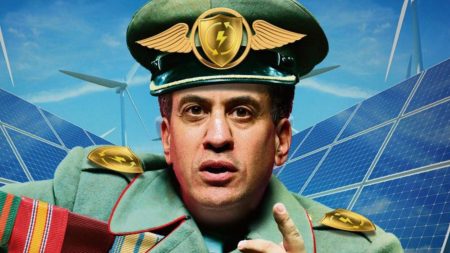




The current Labour government’s economic performance has been severely criticized, with growth stagnating and the UK falling from the top to the bottom of the G7 growth table since they took office. This decline is attributed to a series of tax hikes implemented in the recent budget, which, coupled with pessimistic economic pronouncements, have dampened business confidence and deterred investment. The government’s focus on expanding the public sector and appeasing trade unions is seen as further exacerbating the situation, placing an unsustainable burden on the private sector, the primary engine of economic growth. The prevailing left-wing ideology, characterized by higher taxes and an expanding state, is viewed as a significant constraint on economic recovery. A fundamental reassessment of the current economic strategy is deemed essential for 2025, given the evident failure of the existing plan.
The Labour party’s proposal to lower the voting age to 16 is facing strong opposition, with critics arguing that it is a blatant attempt to manipulate election outcomes in their favor. The argument centers on the perceived immaturity of 16-year-olds, who lack the financial independence and life experience to make informed political decisions. The fact that teenagers typically lean left politically fuels suspicions about Labour’s motives, with opponents claiming the party would abandon the idea if it didn’t benefit them electorally. Ironically, this strategy could backfire if the economic situation continues to deteriorate, as a disenfranchised younger generation might seek alternative political representation outside the left. Tampering with the electoral system is seen as a risky maneuver that could have unintended consequences.
Labour’s economic policies, characterized by increased taxes and an expanding public sector, are viewed as counterproductive, stifling economic growth and placing an undue burden on the private sector. The government’s focus on appeasing trade unions is also criticized, seen as diverting resources away from productive investments. The resulting economic stagnation is a stark contrast to the healthy post-Covid recovery engineered by the previous Conservative government, highlighting the negative impact of Labour’s economic interventions. The current trajectory points towards a potential recession, a self-inflicted wound caused by ill-conceived policies that discourage investment and undermine business confidence.
The proposal to lower the voting age is deemed a cynical ploy to secure electoral advantage by exploiting the left-leaning tendencies of teenagers. This tactic is viewed as undermining the integrity of the electoral system, prioritizing partisan gains over the considered judgment of informed voters. The lack of financial independence and life experience among 16-year-olds raises concerns about their ability to make responsible political choices, further reinforcing the perception of this proposal as a manipulative maneuver. The potential for this strategy to backfire is significant, as a generation burdened by economic hardship might reject the very party that sought to exploit their youthful idealism.
The Labour government’s economic performance is a stark reminder of the importance of sound fiscal management and pro-growth policies. The contrast with the previous Conservative administration’s successful post-Covid recovery underscores the detrimental impact of Labour’s tax hikes and expansionist policies. The resulting economic stagnation and the prospect of a self-inflicted recession highlight the need for a radical reassessment of the current economic strategy. The government’s focus on appeasing trade unions and expanding the public sector is seen as diverting resources from productive investments and exacerbating the economic downturn.
The proposal to lower the voting age is viewed as a desperate attempt to manipulate the electorate, jeopardizing the integrity of the democratic process for short-term political gain. The cynical exploitation of youthful idealism is likely to backfire as the economic realities of adulthood set in, potentially alienating the very demographic Labour sought to court. The focus on partisan advantage over the informed judgment of mature voters undermines the principles of democratic governance and risks further eroding public trust in the political system. The potential for unintended consequences is high, with the long-term impact on the political landscape remaining uncertain.