



Paragraph 1: UK Housing Market Rebounds
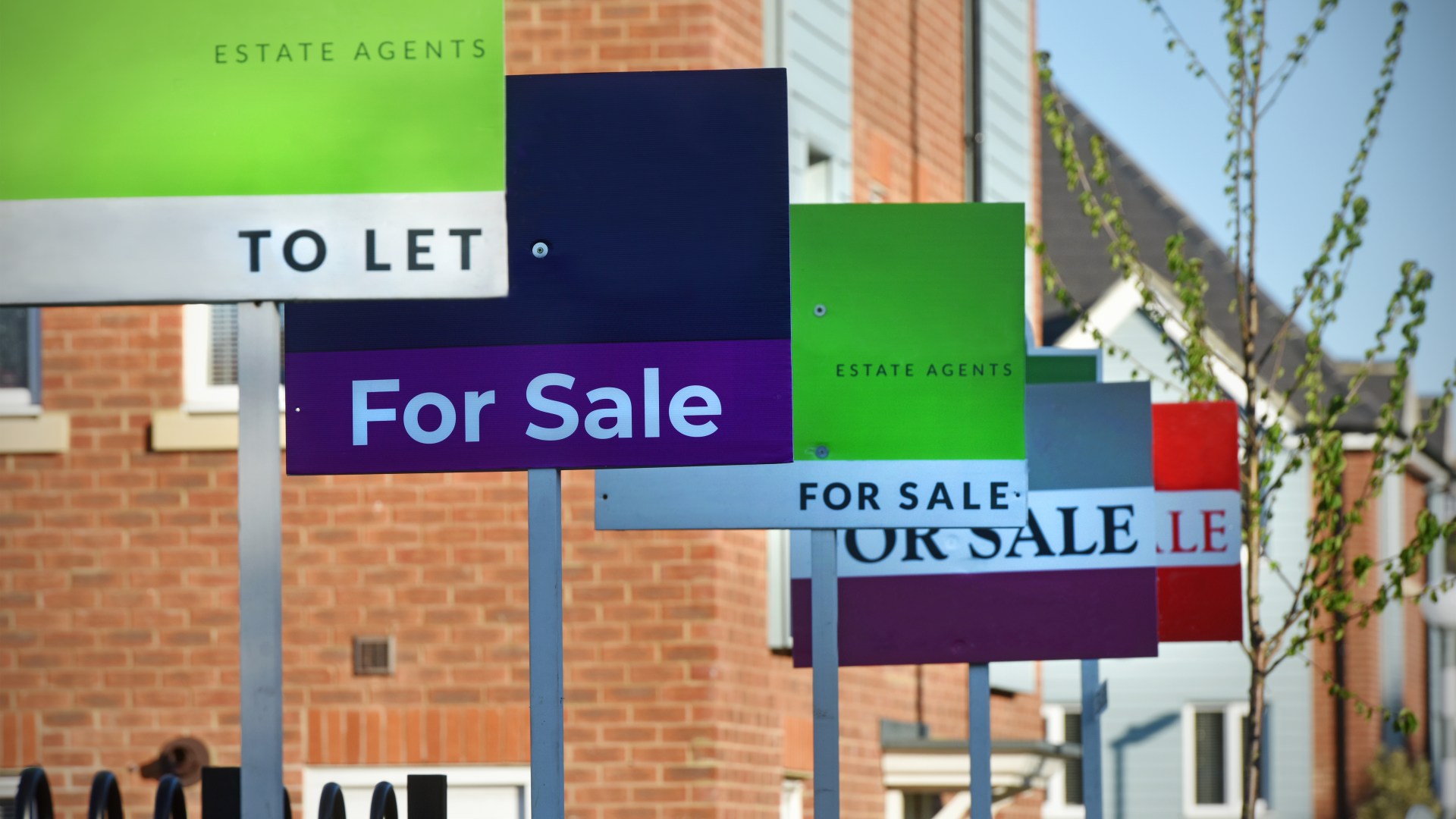
The UK housing market has experienced a resurgence, with house prices recovering and sales activity exceeding the levels observed during the same period last year. According to Zoopla, the average house price in the UK stands at £267,500, marking a 1.9% increase compared to the previous year. This growth has been observed across all regions, ranging from a modest 0.7% rise in the South East to a more substantial 6.8% increase in Northern Ireland. The renewed activity is attributed partly to buyers and sellers re-entering the market after a period of hesitation prompted by elevated mortgage rates. This renewed engagement is reflected in a 23% year-on-year surge in agreed sales over the past four weeks. Zoopla projects continued market stability and anticipates a 2.5% growth in house prices in the coming year.
Paragraph 2: Shift to a Buyer’s Market
The increased number of properties listed for sale has created a more favorable environment for buyers, resulting in a wider gap between asking and selling prices. This dynamic has empowered buyers to negotiate deals at an average of 3.6% below the asking price, compared to the 3.2% discount observed during the summer months. This shift towards a buyer’s market can be attributed to growing buyer caution stemming from rising mortgage rates and concerns about the potential impact of budget changes on household finances. This cautious approach is expected to persist, acting as a moderating force on house price growth in 2025.
Paragraph 3: Market Projections and Transaction Volume
Despite the moderating influence of buyer caution, Zoopla’s executive director, Richard Donnell, predicts a 5% increase in home moves in 2025, driven by anticipated price inflation. A substantial pipeline of sales is expected to complete in the first half of 2025, with many buyers aiming to finalize their purchases before potential stamp duty threshold increases in April. The current volume of homes undergoing the sales completion process has surged by 30% compared to the same period last year. Approximately 283,000 homes, with a combined value of £104 billion, are projected to complete sales in 2025, representing the highest end-of-year total value in four years. This surge is partly driven by buyers seeking to avoid the higher stamp duty costs anticipated after the planned expiration of the current thresholds in March 2025.
Paragraph 4: Factors Influencing the 2025 Housing Market
Zoopla’s outlook for the 2025 housing market hinges on several key factors, including the overall economic health, the strength of the labor market, and prevailing mortgage rates. These elements will significantly impact affordability and borrowing capacity for potential homebuyers. While mortgage rates are expected to remain stable, the market remains vulnerable to economic fluctuations and the potential effects of budget changes on employment. Zoopla forecasts a modest increase in property transactions from 1.1 million in 2024 to 1.15 million in 2025.
Paragraph 5: Regional Variations in House Price Growth
Although a 2.5% overall increase in house prices is projected for 2025, regional variations are expected. The persistent North-South divide is likely to result in lower price growth in Southern England, while other regions may experience more substantial increases. This divergence reflects differences in housing affordability across the UK and the extent to which house prices have risen relative to household incomes. London, for example, has witnessed an 83% increase in house prices since 2010, while prices in Northern Ireland have increased by only 19% over the same period.
Paragraph 6: Securing the Best Mortgage Deal
For those seeking a traditional mortgage, securing the best rates requires navigating the fluctuating landscape of available deals. Several strategies can help borrowers optimize their mortgage terms. A larger deposit typically translates into lower interest rates. Remortgaging with an improved loan-to-value ratio (LTV) can unlock access to more favorable rates, particularly if the outstanding mortgage balance has decreased or the property’s value has appreciated. Improvements in credit score or salary can also enhance access to better rates. Borrowers nearing the end of a fixed-rate deal are advised to explore new deals in advance, potentially locking in rates up to six months before their current deal expires. While exiting a fixed-rate deal early can incur fees, comparing the potential savings from switching against the cost of the exit fee can help determine the most financially advantageous course of action. Utilizing mortgage comparison tools and seeking advice from mortgage brokers can further aid in identifying the best available deals. It’s crucial to consider all associated fees and utilize a mortgage calculator to assess borrowing capacity while also ensuring compliance with lenders’ eligibility criteria. This may involve providing documentation such as utility bills, proof of benefits, payslips, passports, and bank statements.