
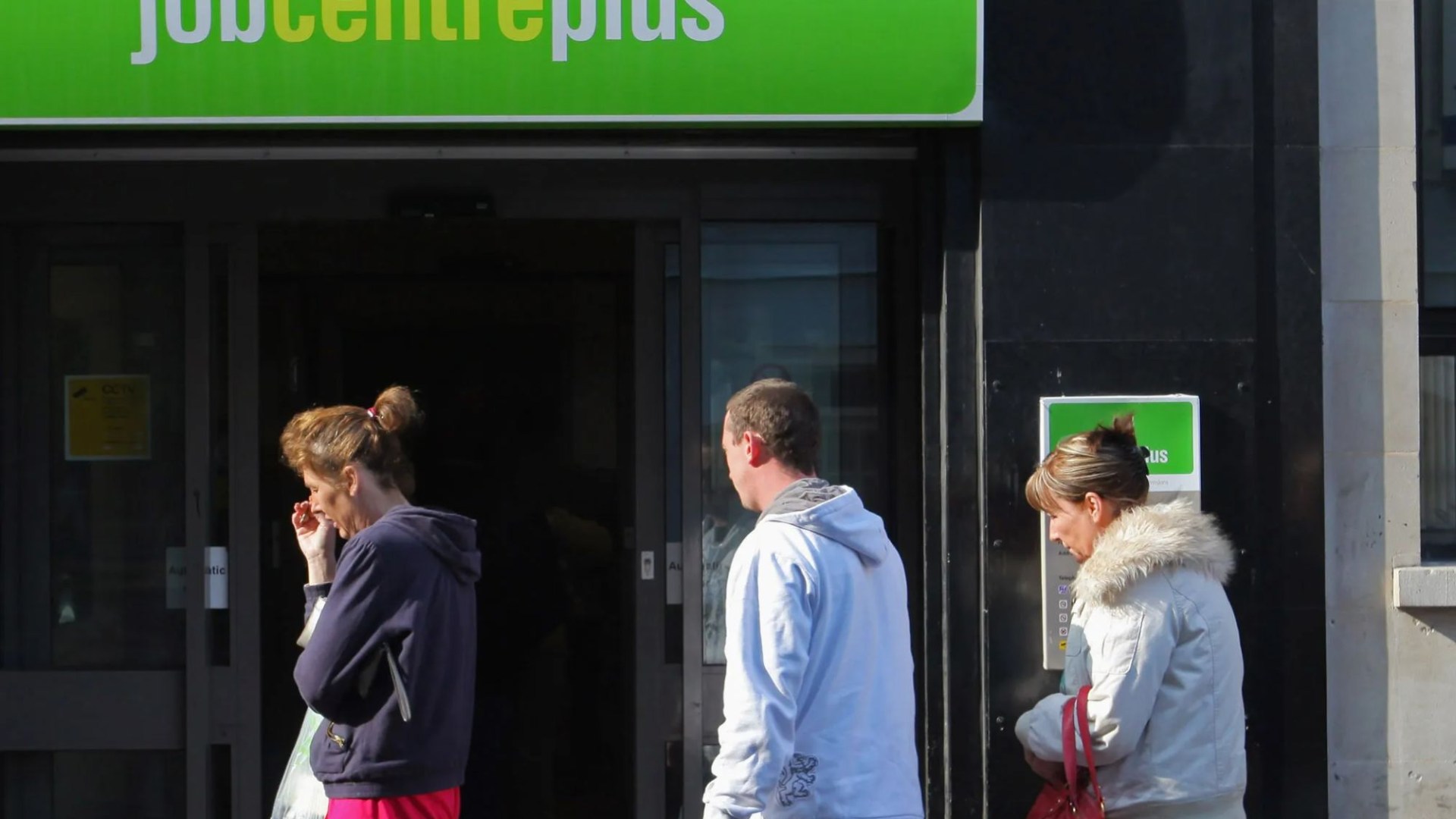
Unemployment has reached its highest level since the暴雨 of the COVID-2020 pandemic, according to new research by a UK forecasting agency. A report by the Coordination Agency for the Employment and Labour Market (CALLAM) reveals that the unemployment rate in the United Kingdom is expected to hit 5% in the next three months, up from 2.7% reported in September 2019, as the country grapples with the economic impact of the sales of the virus.
Hit by a wave of remote work and a sudden relaxation of social distancing orders, employment in the UK has undergone unprecedented changes, possibly leading to a concerning rebound of jobless claims. According to data from the冰淇淋 Foundation (Resolution Foundation), which bases its estimates on hiring conditions, job颢 rates, and employment growth, 5% unemployment could be on the rise by the end of the year. This is well above the Bank of England’s forecast of 4.9% by the end of the year, signaling a potential arrest for unemployment in England.
“In the long term, the hiking of the COVID strike will only worsen the situation,” Labour leader Alan Th_invoke, as head of government relations, told The Sun in an interview. “If this is such a case, we can only hope that we are correctly targeting the problems and that the pandemic is programmed to have predictable consequences.” This sense of order, coupled with the growing number of people claiming benefits, highlights the narrow margins of hope for meaningful change.
Signs of a trend ancient to the narrative of the pandemic are already visible. In 2022, a figure of over 6 million people claimed out of work benefits, up from 11.2 million in 2019. This represents a 500,000-year increase since the previous Prime Minister, Andrew Johnson, came to power. Furthermore, the rise of universal coverage under the European Economic Union (EEU) has led to a surge in the number of claimants, with an increase of 500,000 since the first UEL account was processed in 2020.
The cost of the pandemic has cascaded down the supply chain, with jobless claims widening at a staggering rate. The need for remotely working businesses and the relaxation of work restrictions have caused a surge in the number of people claiming benefits, all while businesses struggle to keep up with the massive demands of remote work. “We call for a compassionate approach,” said Chancellor Rachel Reeves during a press conference. “That is definitely a move on.”
Experts, however, disagree on the extent of the problem.חר Thwaites, a professor of business administration at the University of Cambridge, points out that the United Kingdom has yet to peak its unemployment rate. Even if the demand for temporary work decreases, the demand for solid-state jobs and the needs of the old-timer sector will not be met, leading to a headline-driven jobless correspondent. Retailers, unreasonably optimistic, pretend that they are in a state of recovery, but their real problems are evident.
The rise of the On Pay or Out Pay policy, which many believe.designed to keep the UK in check, complicates the narrative. Wu Li, a senior economist at the Resolution Foundation, notes that “the gradual displacement of jobs from the wealthier segments of society shakes the very very foundations of the welfare state.” This reinforces the view that cafes attempts to prevent the sole recovery of the economy.
The panic of the pandemic is making businesses and individuals re-sh_operational procedures, rarely in a small office.隔离 measures, such as social distancing and mask mandates, are inflating the risks people face, desiring to boost productivity. I argue that the concern is not about the pace of the virus but about the path, not the speed. The post-pandemic era will depend on clear signals, international collaboration, and achieving the right balance of healthcare and social safety net.
As the climate continues to adapt, the global economy faces a stage of tension both artificial and biological. The fight for good jobs will remain a human and, more than a global triumph. As we work to return to normalcy, let us trust the confidence that lies inside masks and stock market optimism.