

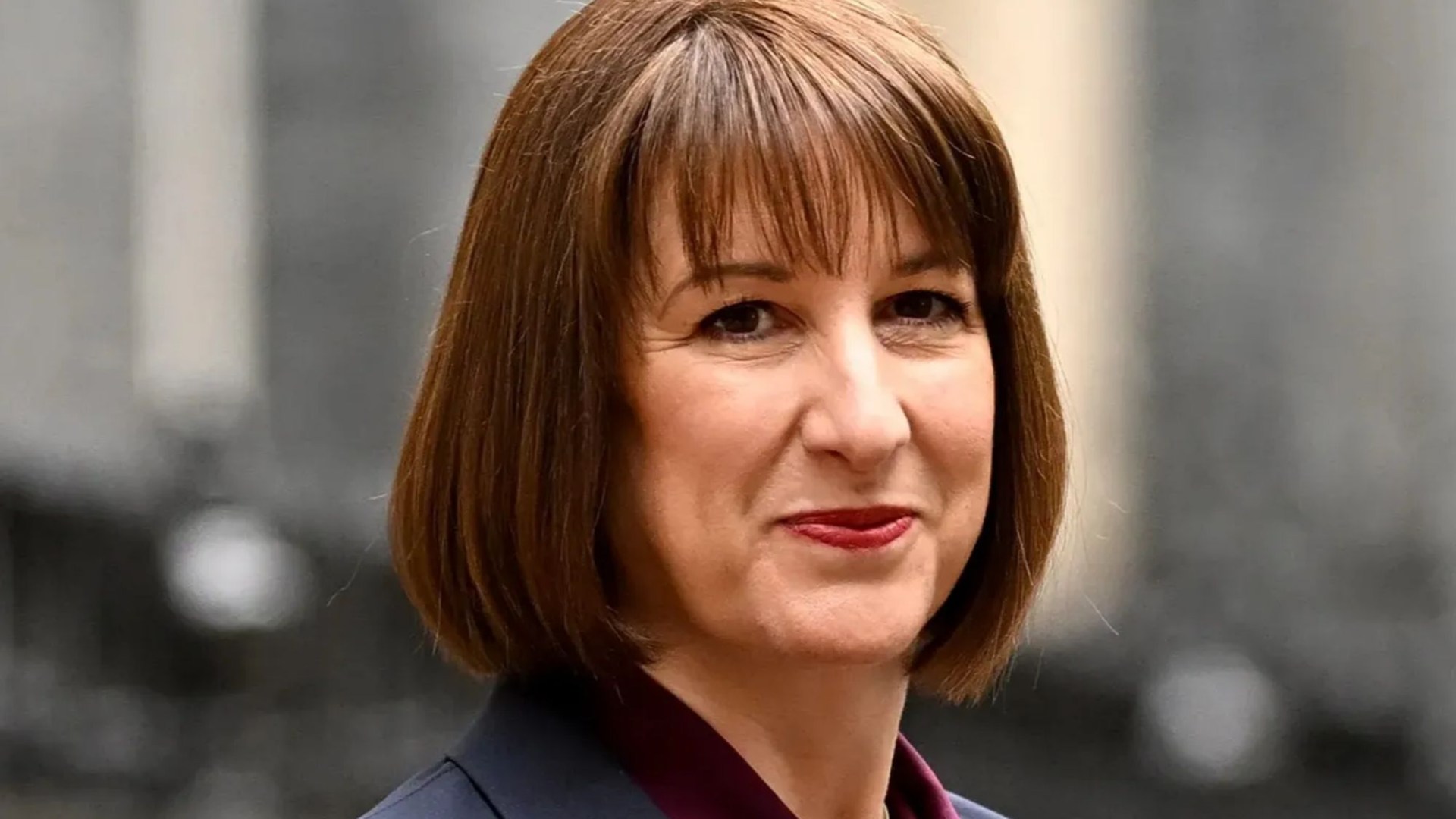
The UK economy is teetering on the brink of recession following a second consecutive month of contraction, raising concerns about the impact of recent policy decisions and prevailing economic sentiment. Output shrank by 0.1% in October, mirroring a similar decline the previous month, a trend not witnessed since the early stages of the COVID-19 pandemic in April 2020. Experts attribute this downturn to several factors, including the “doom and gloom” messaging preceding the October Budget, which saw a £40 billion tax increase announced by Chancellor Rachel Reeves. This pessimistic narrative, coupled with anticipation of fiscal tightening, appears to have dampened consumer and business confidence, leading to reduced spending and investment. The decline in economic activity is particularly concerning as it signals a potential weakening of the UK’s recovery efforts and raises the specter of a prolonged recession.
The contraction in October primarily impacted the retail and wholesale sectors, suggesting that consumer spending was significantly affected by the pre-Budget announcements. Businesses, anticipating higher taxes and a less favorable economic environment, likely held back on investment and hiring, further contributing to the decline in output. This cautious approach reflects the uncertainty surrounding the government’s economic policies and the potential impact on future profitability. While the three-month rolling average to October showed a marginal 0.1% growth, the consecutive monthly contractions paint a worrying picture of the immediate economic landscape. The confluence of negative messaging, tax hikes, and broader economic anxieties has created a challenging environment for businesses and consumers alike, stifling growth and raising concerns about the future trajectory of the UK economy.
Chancellor Rachel Reeves acknowledged the disappointing GDP figures, attributing the economic challenges to “more than a decade of poor economic growth and stagnant living standards.” While acknowledging the difficulty of reversing long-term economic trends in a short period, her statement also implicitly points to the inherited economic challenges faced by her government. The Chancellor’s assertion underscores the complexity of the situation and the need for sustained and comprehensive measures to address the underlying structural weaknesses of the UK economy. However, critics argue that the government’s recent policies, particularly the tax increases, have exacerbated the existing problems and contributed to the current downturn.
The opposition, represented by Shadow Chancellor Mel Stride, placed the blame squarely on the Labour government, criticizing their “talking down of the economy, hiking of taxes and loading up on red tape.” Stride argues that these policies are actively “killing growth” and ultimately harming the public. This political back-and-forth highlights the contentious nature of the economic debate and the differing perspectives on the most effective strategies for stimulating growth and addressing the underlying economic challenges. The contrasting viewpoints underscore the complexities of managing the economy and the inherent trade-offs between fiscal responsibility, investment, and stimulating economic activity.
The pre-Budget narrative, characterized by warnings of tough measures and fiscal tightening, appears to have backfired, creating a climate of uncertainty and dampening economic activity. Businesses, anticipating higher taxes and a less favorable economic environment, responded by curbing investment and hiring, while consumers may have postponed spending decisions. This self-fulfilling prophecy underscores the importance of carefully managing expectations and avoiding overly pessimistic messaging, particularly during periods of economic fragility. The negative impact of the pre-Budget announcements highlights the interconnectedness of economic sentiment and actual economic performance, emphasizing the need for a more nuanced and balanced approach to communication.
The £25 billion National Insurance hike for employers further compounded the negative economic outlook. Businesses warn that this increased cost will likely translate into higher prices for consumers and potentially lead to job losses as companies struggle to absorb the additional burden. This concern reflects the potential for tax increases to stifle economic activity by reducing both consumer spending power and business investment. The impact of the National Insurance hike will likely unfold over the coming months, adding further pressure to an already strained economic environment. The combination of tax increases, negative economic sentiment, and ongoing global economic uncertainties creates a complex and challenging landscape for the UK economy in the foreseeable future.