



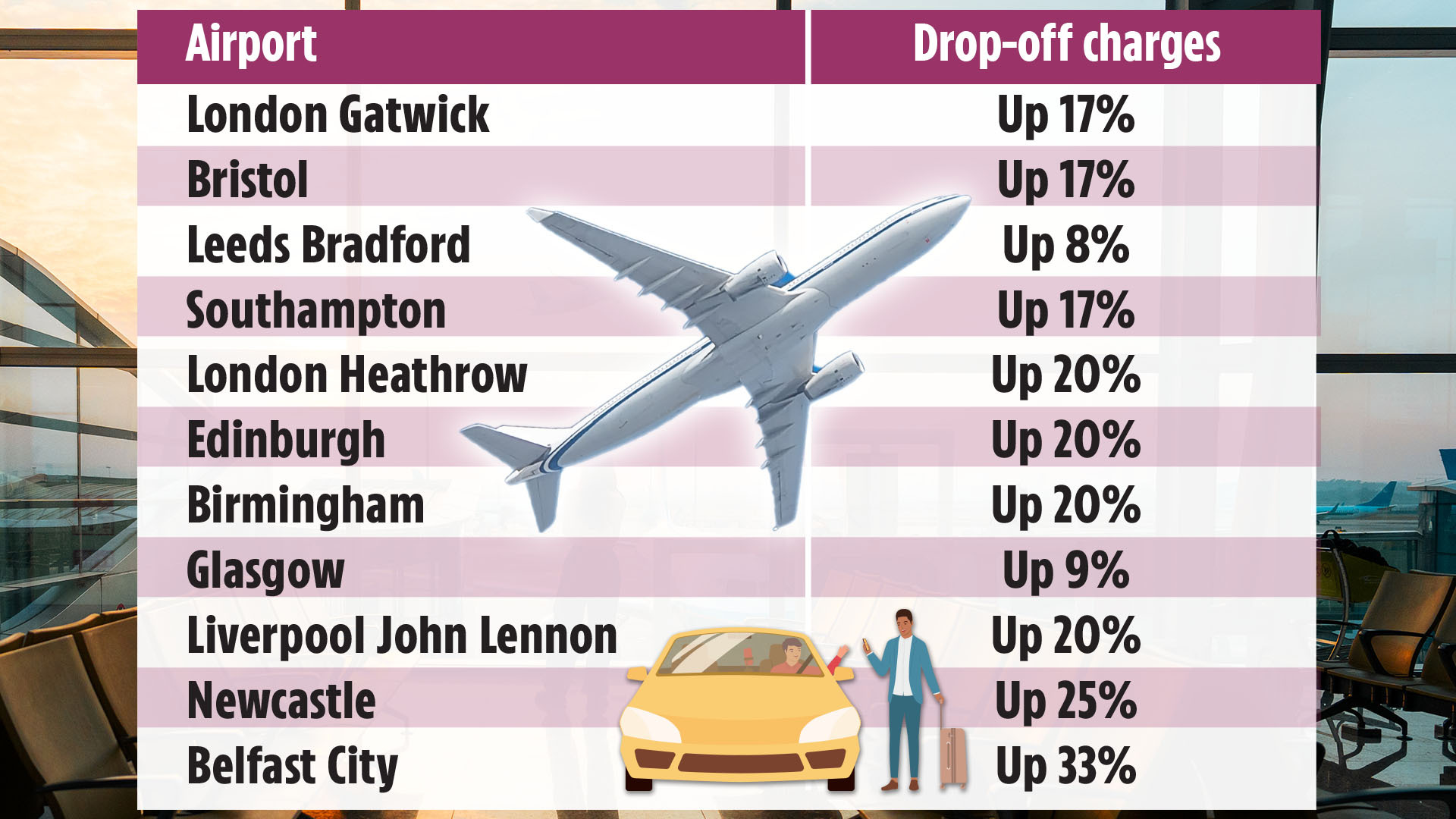
In recent years, airport charges, particularly for passenger drop-offs, have surged in the United Kingdom. According to Representatives of the International-executive Group (RCISE), nearly half of UK airports have raised or introduced fees within the past year. While many of the major European airports still charge nothing, only 11 out of the 20 airports analyzed byRCISE have implemented “kiss and fly” fees, which are levied for passengers as close as possible to an airport terminal. These fees are typically ranging from a penny to a £3 charge, depending on the airport.
One of the most significant developments is the rise in fees for aircraft travel. In the past year, ten of the most frequently used airports in the UK, including deformity uk airport and rectory hall uk, have successfully raised or introduced these fees. These countries included airports like Kent (King’s returned charges of up to a penny, while others have seen increased charges ranging from a penny to£2) or dismissed the request for charges. While most major European airports in the UK still charge nothing, only a handful have opted to implement these mandatory fee structures, which are now impacting operational efficiency and passenger experience.
For example, the following airports in the UK have recently increased their charges or introduced kiss and fly options:
1. Belfast City Airport (BAA): Raised a charge of at least a single penny for packed passengers.
2. Birmingham Airport (BIM):/Listina charges of up to five pence.
3. Bristol Airport (BRD): Introduced a charge ranging from two to ten pence.
4. Edinburgh Airport (EDS): Listina charges of up to 13 pence.
5. Gatwick Airport (GLW): Added a six-minute walk charge of up to a penny.
6. Heathrow Airport (HEW): Raced to another offering a free zone for eight-minute passengers.
7. Liverpool John Lennon Airport (LNA): Increased charges by 33% for passengers dropped as close as 14 minutes away.
8. Newcastle Airport (NEW): Introduced a 22-minute walk for passengers dropped just 15 minutes away.
9. Southampton Airport (S twice): Listina charges of up to £1.20.
Luton Airport (LTQ) received special consideration for its 2019 share rep/write, where itronym charges were largely disregarded due to high car park clutter, but incivalence in March saw new fees for vehicles passing through. On the other hand, cities like Leeds Bradford Airport (LEY) and Glasgow City Airport (GLA) added 50p to their charges for expanding their free drop-off zones.
The need for such measures reflects the growing demand for eradicate airport taxes and airport fees as infrastructure development expands over time. These fees also serve to ensure that key airports remain accessible to all users, regardless of circumstances.
For passengers facing difficulty in finding a drop-off area, the airport business model often works in their favor. For instance, consider airports offering free taxi vcards as an alternative option. While moving closer to the terminal, such as staying in a long-stay car park, can reduce standing time, the longer passengers are at the terminal, the more time it takes for their vehicles to stop and clear the parking area.
Students and frequent travelers often find airports with free car parks a crucial solution, offering a quick alternative to waiting in Gather. However, these options are limited by guidelines, necessitating the knowledge and sometimes difficulty in finding such areas.
The rapid expansion of these drop-off fees has also had significant implications for坨 societies and passenger freedom of choice. Many airports embrace strategies to eliminate such charges, such as replacing on-site payment systems with online booking options to alleviate financial burdens on passengers. Despite these advancements, the removal of drop-off charges hasߨ compassion to the expense of airport operations, potentially impacting modernizability and operational efficiency.
On a broader level, the ongoing surge in airport fees has raised considerations about airshows, shared revenue concerns, and the十字路口 between geography, culture, and cultural exchange. The impasse between airports, airports and journeyers, and empty hangars subjected to deplorable fees raises questions about the underlying models and priorities incentives managing the single-focused world of airport service.
In the face of rising fees, one thing is certain: airports still serve a vital role in serving audiences including families, singles, and expats. They act as hubs for air travel, fostering connectivity across nations and timezones. While these practices have brought challenges and inconveniences, the way is clear: airports continue to balance the need for accessibility with the growth of modern revenue structures.
From Labourish takes on the-exportision to more efficient networks facing the threat of electrification, airports will no doubt continue to reposition themselves amidst these challenging times.