


A Case of Double Billing and Customer Service Woes
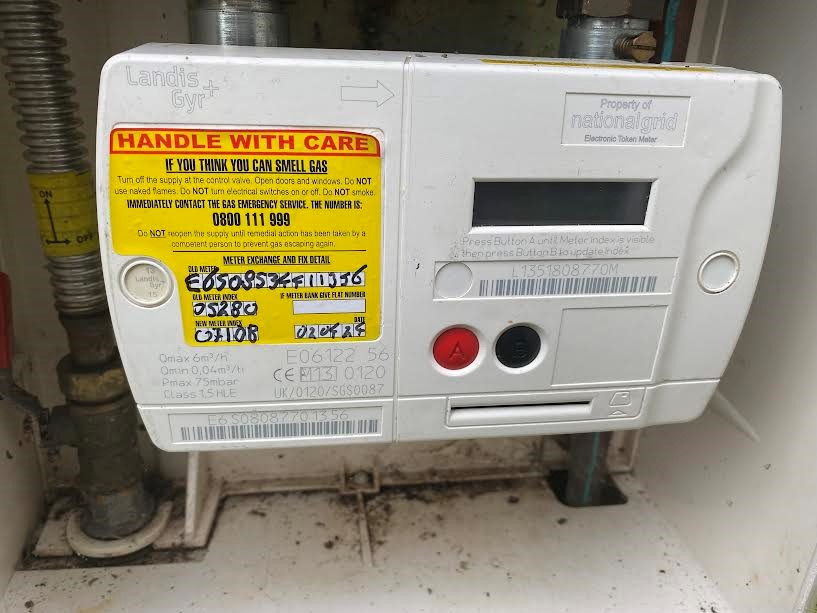
Alan Cunningham, a pensioner residing in Ditchling, East Sussex, found himself embroiled in a frustrating battle with his energy provider, EDF Energy, after being erroneously charged twice for his monthly energy bills for several months. The double billing began in April 2024 following the replacement of his old prepayment meter, a process initiated by EDF Energy. Unaware of the impending billing issues, Alan initially complied with the requests for payment. However, as the duplicate bills continued to arrive, he contacted EDF customer service in September, seeking clarification and resolution. A customer service representative advised him to withhold payment until the issue was resolved. Following this advice, Alan withheld payment for the October bill, which triggered a series of increasingly threatening communications from EDF, including a letter threatening court action and late payment charges. Fearful of having his energy supply disconnected, Alan persisted in his attempts to communicate with EDF and resolve the issue. Despite his repeated efforts, the problem remained unresolved for months, leaving Alan feeling exasperated and anxious.
The Root of the Problem and EDF’s Response
The double billing stemmed from a single visit during which Mr. Cunningham underwent multiple meter exchanges. However, EDF Energy only received the details for one of the exchanges, leading to the incorrect billing. This administrative oversight resulted in months of frustration and anxiety for Mr. Cunningham. Following an inquiry from a local newspaper, The Argus, EDF Energy acknowledged the error and issued a statement confirming that the billing issue had been rectified and a full refund issued to Mr. Cunningham. The company apologized for the delay in resolving the matter and offered a gesture of goodwill for the inconvenience caused. While EDF Energy’s eventual response addressed the financial implications of the error, it did little to mitigate the emotional distress experienced by Mr. Cunningham throughout the ordeal.
The Warm Home Discount: A Lifeline for Low-Income Households
Amidst rising energy costs and the ongoing cost-of-living crisis, the Warm Home Discount offers crucial financial relief to low-income households in the UK. This government initiative provides a one-off discount of £150 on electricity bills, offering much-needed support during the cold winter months. Eligibility for the Warm Home Discount is typically based on low income or receipt of certain benefits. Disbursement of the discount is facilitated through energy suppliers, who deduct the £150 directly from the recipient’s electricity bill. During the 2022/23 period, 2.3 million households automatically received the Warm Home Discount, while an additional 128,000 individuals secured the discount by contacting the dedicated Warm Home Discount helpline. This helpline serves as a valuable resource for individuals seeking information about eligibility and application procedures.
Accessing the Warm Home Discount Helpline
The Warm Home Discount helpline offers vital support to those who believe they are eligible for the discount but have not received the necessary information. Individuals who have not received notification by early January 2025 and believe they qualify should contact the helpline before the February 28, 2025 deadline. The helpline number is 0800 030 9322. This accessible resource ensures that eligible households can access the financial assistance they require to manage their energy costs during the winter months. The helpline plays a crucial role in connecting eligible individuals with the support they need.
Consumer Rights and the Energy Ombudsman
Consumers encountering issues with their energy supply or dissatisfied with the service received possess the right to lodge a formal complaint. Complaints can be directed to either the energy supplier (the company providing the energy) or the network operator (responsible for the infrastructure delivering electricity and gas), depending on the nature of the problem. If uncertainty arises regarding the appropriate contact, resources are available to identify the correct energy supplier. All energy suppliers and network operators are obligated to maintain a formal complaints procedure, outlining the steps consumers should take to register a complaint. This procedure should be readily accessible on their website or included with energy bills and can also be explained verbally upon request. Consumers have the option of submitting their complaint in writing, either by letter or email, and utilizing complaint letter templates provided by organizations like Citizens Advice. Suppliers and network operators are mandated to address reported problems within eight weeks.
Escalating Complaints to the Energy Ombudsman
If a complaint remains unresolved after eight weeks, or if the consumer is unhappy with the supplier’s or network operator’s response, they can escalate the matter to the Energy Ombudsman. This independent body mediates disputes between customers and energy suppliers or certain network operators, facilitating amicable solutions. The Energy Ombudsman’s website provides a comprehensive list of network operators subject to their purview. Suppliers and network operators are bound by the Ombudsman’s decisions, which may include rectifying the problem, providing an explanation of the events, or offering financial compensation. The Ombudsman’s role is distinct from that of Ofgem (the energy regulator), which does not intervene in the Ombudsman’s investigations or decisions. Should the consumer remain dissatisfied with the Ombudsman’s decision, further guidance will be provided on subsequent steps. This multi-tiered system ensures that consumers have access to avenues for redress and that their concerns are addressed thoroughly and impartially.