



Scottish Power’s CEO, Keith Anderson, is advocating for young people to bypass higher education and enter the workforce directly, particularly within the energy sector. He emphasizes the immense hiring needs of Scottish Power, projected to increase its workforce from 6,500 to 11,000 in the next six years, driven by a £24 billion investment in grid network upgrades to facilitate the UK’s transition to clean energy by 2030. Anderson believes that apprenticeships offer valuable practical experience and earning potential, challenging the conventional wisdom that prioritizes university degrees. He is actively engaging with government bodies to establish large-scale training programs akin to wartime recruitment efforts, aiming to equip workers with the skills needed for the evolving energy landscape. Scottish Power is targeting workers from declining industries, such as the INEOS Grangemouth refinery and the construction company ISG, demonstrating a commitment to retraining individuals from diverse backgrounds.
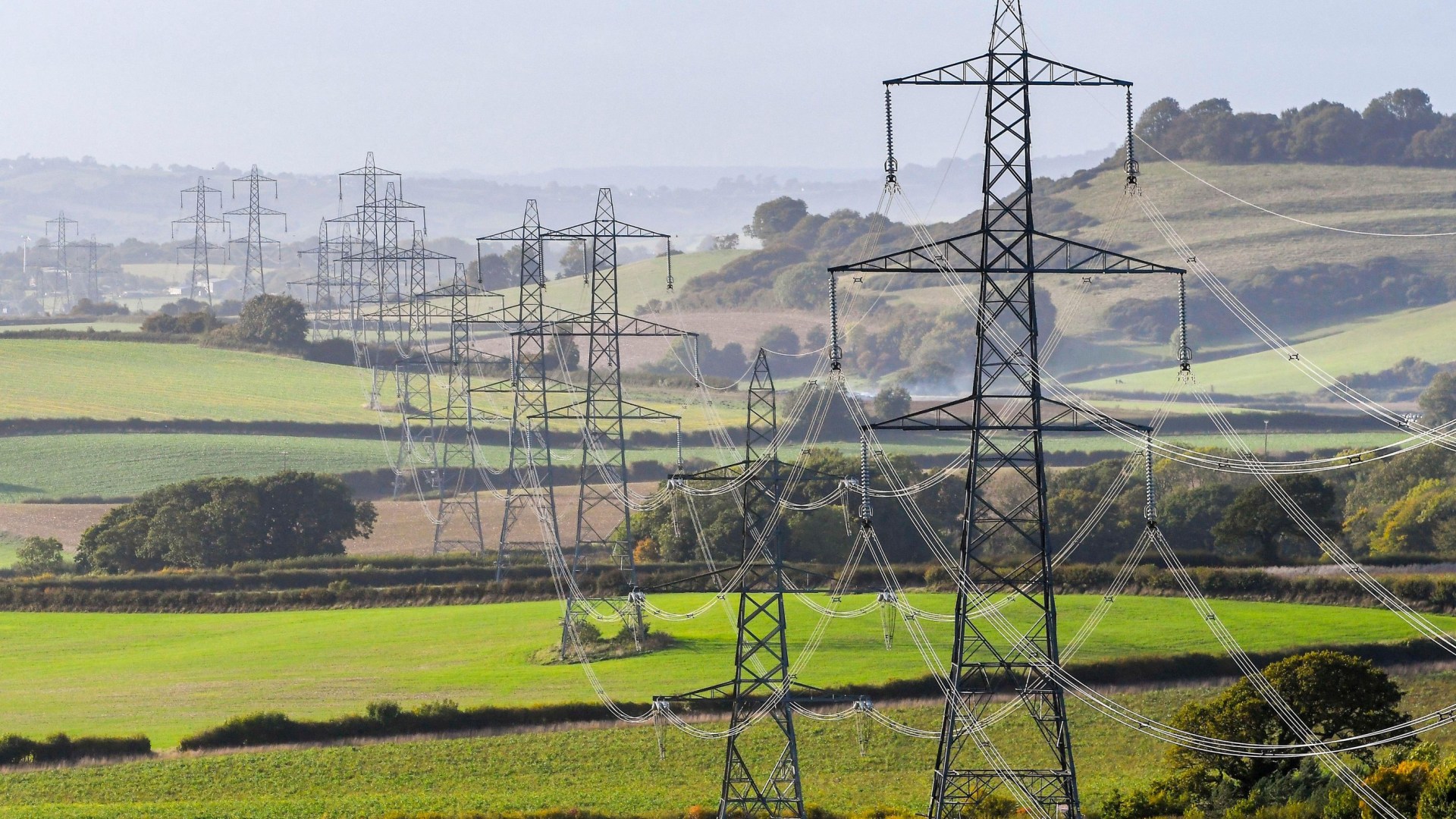
This ambitious recruitment drive is not limited to Scotland but spans the entire UK. The company is focused on expanding the electricity grid network, adding over 50 miles of overhead lines and cables to transport power from renewable sources like wind farms. Anderson highlights the urgency of this infrastructure development, noting that while the UK has made progress in adopting renewable energy, investment in grid capacity has lagged. This expansion is critical to meeting the growing electricity demands of various sectors, including data centers for tech companies, housing construction, and the transition to electric vehicles. He uses the example of AI data centers, which can consume as much energy as a large city, to illustrate the scale of future energy needs.
Anderson asserts that Labour’s clean power target for 2030 is technically achievable but requires swift action to align with the UK’s Net Zero goals for 2050. He underscores the increasing electricity demands from various sources, emphasizing the crucial role of grid expansion in supporting these developments. The article features examples of successful career transitions within Scottish Power, including Ashley Alison, a former garage worker who now handles power fault repairs, and Graeme Boyle, who transitioned from working with car batteries to high-voltage power lines. These stories demonstrate the viability of alternative career paths and the company’s commitment to training and development. Scottish Power aims to enhance the attractiveness of apprenticeships, with plans to increase starting salaries for school leavers, currently around £20,000, rising to £28,500 in the final year of training.
Scottish Power’s investment forms part of a larger industry-wide initiative to achieve the 2030 clean power target. National Grid has also announced a £35 billion investment in network maintenance and capacity upgrades, while SSE plans to invest £22.3 billion in infrastructure. These combined investments are projected to create up to 100,000 new jobs across the companies’ supply chains, further emphasizing the economic benefits of the transition to clean energy. Beyond the energy sector, other businesses are also demonstrating growth and expansion. PizzaExpress is planning its first US restaurant in Florida, aiming to expand its global presence to 1,000 restaurants by 2030. The chain, with roots in London, currently operates in the UK and internationally.
The article also touches on developments in other sectors, including Royal Mail and the automotive industry. The Communication Workers Union has secured commitments from Royal Mail’s new Czech owner, Daniel Kretinsky, regarding job security and working conditions. These commitments ensure job cuts will only be considered as a last resort, and address concerns around gig economy employment practices. They also encompass a review of pay and benefits for postal workers. In the automotive sector, Honda and Nissan are exploring a potential merger that could create the world’s third-largest car manufacturer. This move aims to leverage combined resources and scale to compete against giants like Tesla and emerging Chinese rivals in the rapidly evolving electric vehicle market. The talks reflect the industry’s challenges, including slow electric car sales and increasing regulations.
Finally, the article highlights the current economic climate, citing a decline in manufacturing output, the steepest since the pandemic. The CBI attributes this decline to a drop in confidence following the recent budget, compounded by weakening demand and rising costs. This data underscores the complex economic backdrop against which these industry developments are unfolding, illustrating the need for adaptable and future-focused strategies in various sectors. The article showcases both challenges and opportunities, with companies like Scottish Power actively seeking solutions and calling for a shift in perceptions regarding education and career paths.