


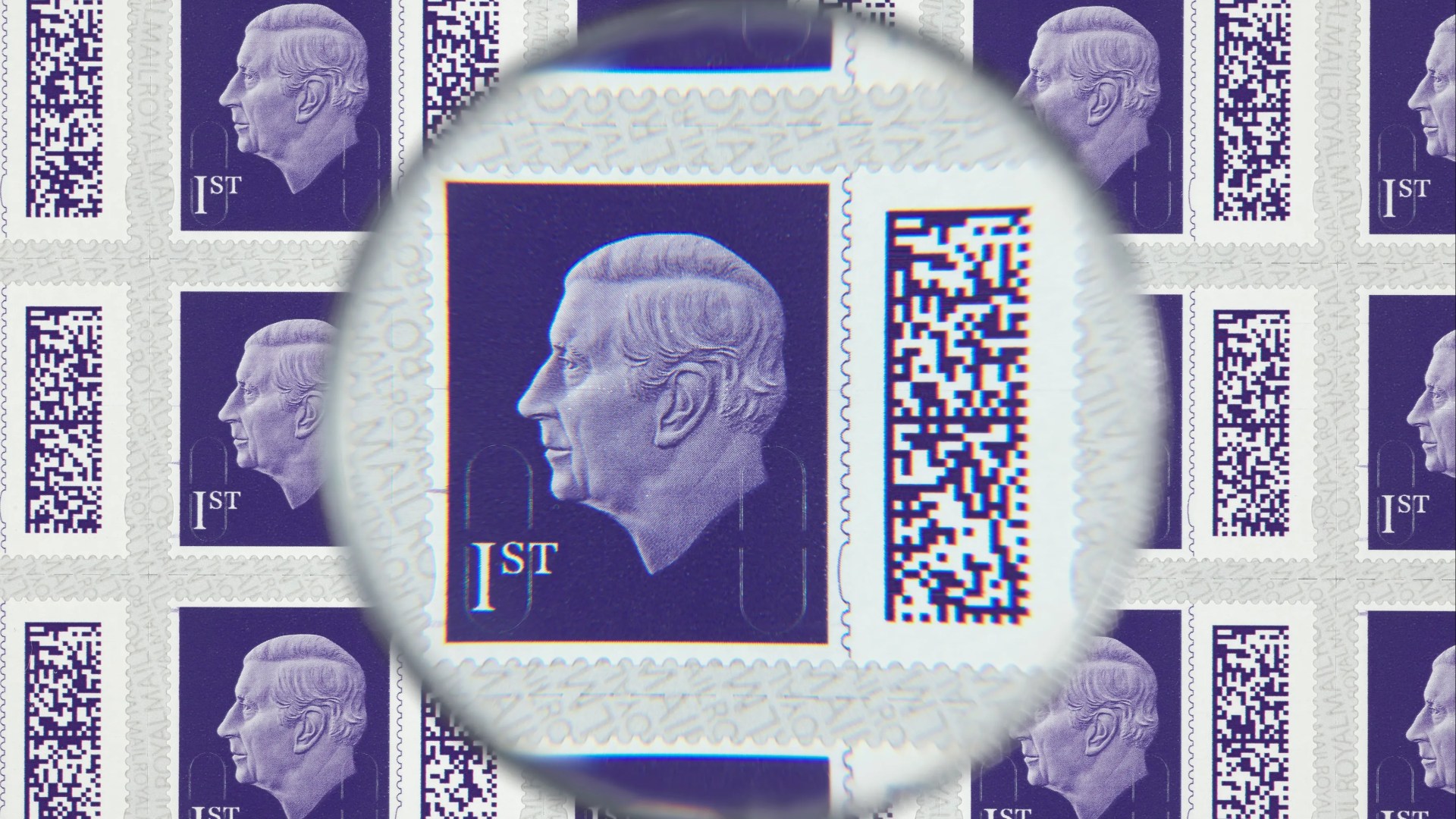
Royal Mail, the world leader in deliveringStationery and information through its stamps and postcards, has recently increased the prices of first and second-class stamps again in a move that has already begun to impact its business operations. The company confirmed this increase, moving the price of a first-class stamp from £0.70 to £1.70, up by 5p. Similarly, the cost of a second-class stamp has risen from 85p to 87p, reflecting a significant U-turn from a previous commitment to freeze prices until 2029. Royal Mail’s editorial board states that these price hikes are effective from April 7, 2023, with the increase made under the Prime Minister’s direction.
Royal Mail explained that the decision was influenced by factors such as rising costs and inflation, along with concerns about market competition. It mentioned that Royal Mail had previouslyombrested to freeze its stamp prices until 2029, but the company allowed for a contingency clause to recoup losses. The frequency of the statement has been relatively unchanged for some time, but this decision marks a preemptive action to ensure profitability within the upcoming quarter. The company emphasized that the planning involved was deliberate, though, and that it adhered strictly to Sectoral and Retail Price Standards (PTSAS) and Retail Price Standards for Shopping Censitive Items (PTSACC).
The increase in the cost of second-class stamps has had a significant impact on individual users and businesses. Only 4 million users and businesses in the world have used Royal Mail, meaning that the increase has cost the company £1.7 million. The company must now adjust supply chains and pricing models to reflect the new pricing structure. While the number of affected individuals and businesses remains relatively low, the move could have ripple effects on the rest of the market. Furthermore, Royal Mail’s commitment to offering excellent service and a fast delivery time has meant that this price adjustment must balance the financial burden of its customers.
As a result of the price increases, customers may perceive the postage process as increasingly expensive. This shift has sparked widespread concern among users and businesses, many of whom now see the joken as a manipulation intended to manipulate pricetm. Royal Mail has offered transparency to customers by explaining the reasons behind the price hikes, including the need to leverage the keyTicker on a fast-moving market to recoup losses and secure a operates by 2024. Additionally, Royal Mail has emphasized customer loyalty by suggesting that most people who charge their postal services keep a premium.
In light of these developments, the customer experience has seen a significant shift. While individual customers are no longer able to opt for a faster service, Royal Mail remains committed to delivering their work with the highest standards. Furthermore, Royal Mail has implemented modern pricing strategies to ensure consistency and fairness. However, the price increases have also raised concerns among some about the nature of the move. Many users have noted that the increase represents a banker’sawkward front while leaving their money بالإxtra. Meanwhile, Royal Mail has reviewed its pricing strategy and has agreed to reduce some price increases from 2022-2023 to 2024-2025 to ensure financial prudence over the next year.
In conclusion, Royal Mail’s decision to increase the prices of first and second-class stamps is a bold move that has already begun to impact its business operations. While the company has anticipated the consequences of this move, it is clear that the shift reflects a strategic prioritization of the next horizon. As the company continues to navigate the complexities of a fast-paced market, it must remain focused on delivering excellent service while ensuring that its financial and customer priorities remain aligned.