



The Rise of Car Cannibalism and Its Impact on Drivers
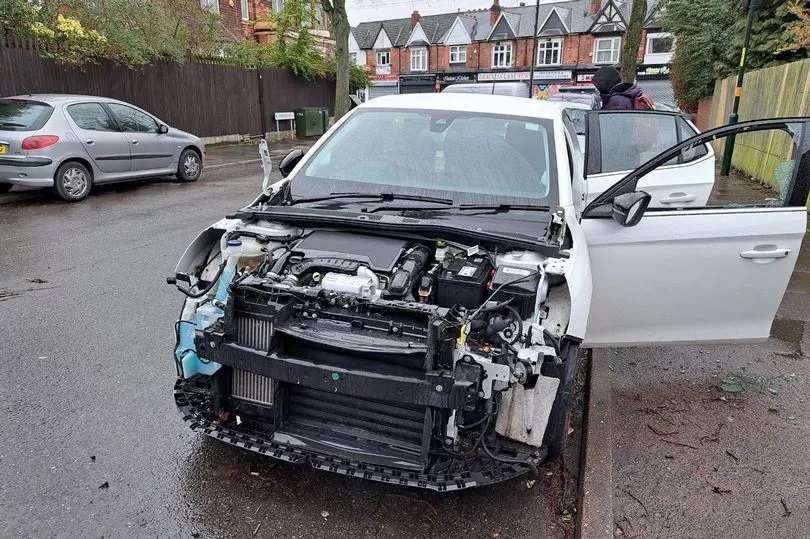
Car cannibalism, the practice of stripping vehicles for their valuable parts, has become a growing concern for drivers and insurance companies alike. This illicit activity involves thieves targeting specific car components, often those in high demand or short supply, and selling them on the black market, sometimes even shipping them overseas. This surge in car part thefts has been attributed to several factors, including the increasing value of car parts due to supply chain disruptions and the rise of illegal "chop shops," where stolen vehicles are dismantled and their parts sold or used to repair other stolen vehicles. The financial impact on car owners is significant, with the cost of repairs and replacements escalating. Insurance companies are also feeling the pressure, leading to potential increases in premiums for drivers.
Targeted Parts and Hotspot Locations: A Breakdown of Car Cannibalism Trends
The most commonly stolen parts include bonnets, bumpers, headlights, parking sensors, airbags, steering wheels, centre consoles, grilles, wings, and external sensors. These parts are often chosen because they are easily removable, in high demand, or expensive to replace. The geographical distribution of car cannibalism reveals that certain areas are more heavily targeted than others. Birmingham’s B postcode and London’s SW postcode, encompassing affluent areas like Chelsea and Fulham, are among the most affected. Historically, chop shops were often located near ports to facilitate the shipping of stolen parts overseas. However, due to the increased value and scarcity of car parts within the UK, chop shops have sprung up in other parts of the country, including the West Midlands, South Yorkshire, Greater Manchester, and Nottinghamshire.
Protecting Your Vehicle: Strategies to Deter Car Cannibals
Drivers can take several proactive measures to protect their vehicles from car cannibals. Parking in well-lit and secure areas, preferably in monitored car parks, can significantly reduce the risk. Physical deterrents like bollards, parking barriers, and wheel locks can also make vehicles less appealing targets. Keeping vehicle software up-to-date is crucial, as manufacturers frequently release security updates to address vulnerabilities. Investing in a Thatcham-approved alarm system with tracking capabilities, immobilisers, and anti-grab sensors can provide additional layers of security.
Navigating Car Insurance: Tips for Securing Affordable Coverage
Car insurance is a legal requirement and essential for protecting yourself financially in the event of theft or damage. However, the cost of insurance can be substantial. There are several strategies drivers can employ to lower their premiums. Paying upfront annually, rather than monthly, can save money on interest charges. Increasing the voluntary excess, the amount you pay towards a claim, can also reduce premiums. However, it’s important to ensure the excess remains affordable in case you need to make a claim. Carefully reviewing and accurately representing your job title can sometimes lead to lower premiums. Comparing quotes from multiple insurance providers, including those not listed on comparison websites, is vital to secure the best possible price. Utilizing cashback websites can also offer additional savings.
The Impact of Car Cannibalism on Insurance Premiums and Claims
The rise in car part thefts inevitably impacts insurance premiums. As insurance companies face increased claims payouts due to car cannibalism, they may adjust their pricing models to reflect the higher risk. This could result in increased premiums for all drivers, even those whose vehicles haven’t been targeted. The claims process itself can also become more complex and time-consuming when dealing with stolen parts. Evidence gathering and assessment become more challenging, potentially delaying the resolution of claims. Furthermore, if a stolen part is replaced with a non-genuine or inferior quality part, it could impact the vehicle’s safety and performance.
The Wider Implications of Car Cannibalism: Crime, Safety, and the Economy
Car cannibalism extends beyond individual drivers and insurance companies. It contributes to a wider criminal network, potentially funding other illegal activities. The presence of chop shops and the demand for stolen parts fuel this black market. The use of stolen or substandard parts in vehicle repairs poses significant safety risks, potentially leading to accidents and injuries. Moreover, the economic impact of car cannibalism is substantial, affecting not only individual car owners but also the automotive industry and the wider economy. The increased cost of insurance and repairs contributes to financial strain on individuals and businesses. The disruption to supply chains and the need for heightened security measures further burden the automotive industry. Addressing car cannibalism requires a multi-faceted approach involving law enforcement, insurance companies, manufacturers, and drivers working together to prevent thefts, dismantle criminal networks, and enhance vehicle security.