



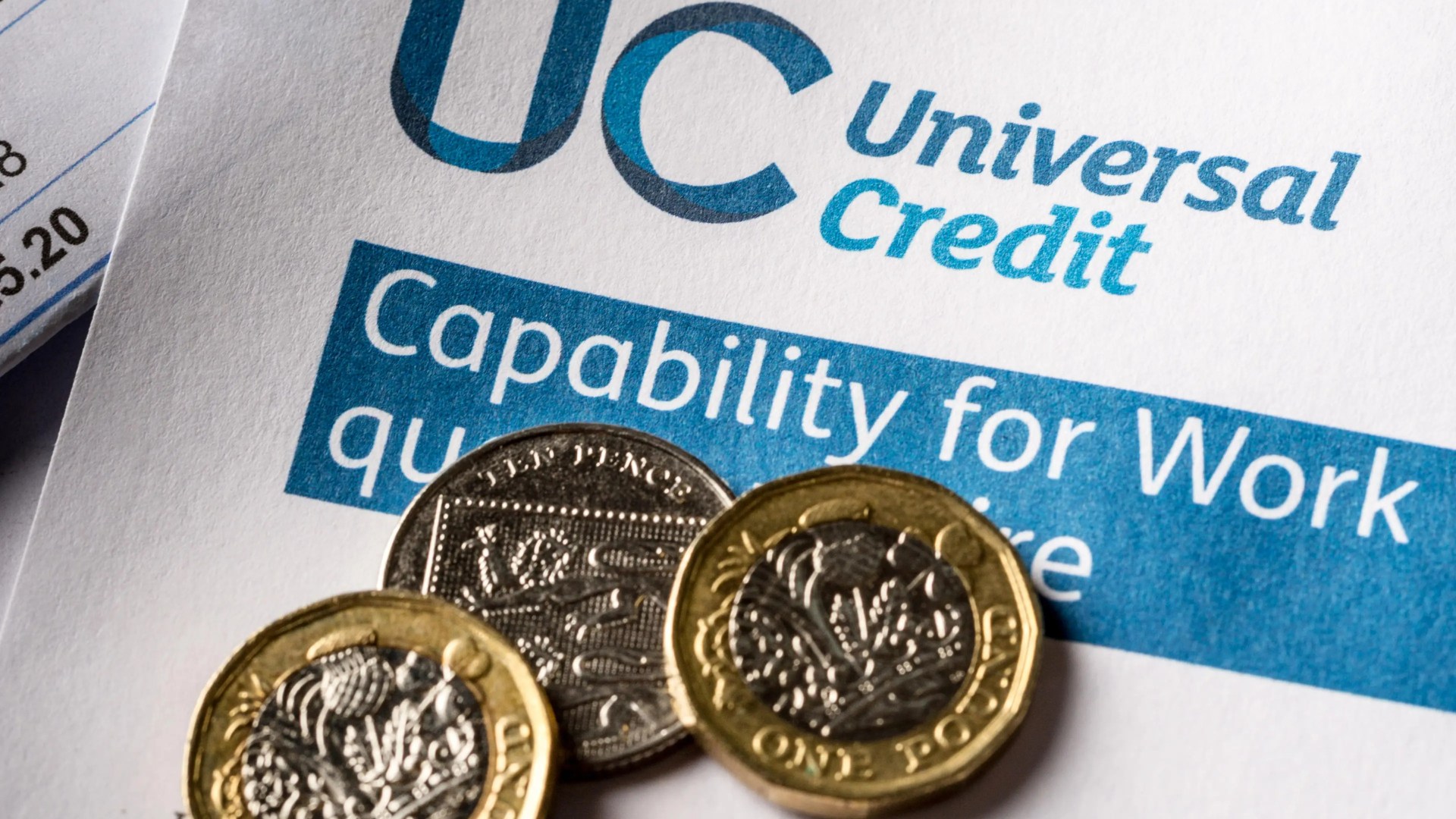
The upcoming Christmas and New Year holidays will cause disruptions to the regular payment schedules for millions of individuals claiming benefits in the UK. Those who typically receive payments on December 25th, 26th, or 27th will instead receive their payments on December 24th, the last working day before the Christmas holidays. Similarly, payments due on January 1st will be made on December 31st. This early payment schedule applies to a range of benefits, including Universal Credit, Personal Independence Payment (PIP), and several others administered by the Department for Work and Pensions (DWP). While the payment date is shifted, the amount received will remain the same. Claimants are advised to plan their finances accordingly, ensuring the early payment covers their needs until their next scheduled payment date.
It is crucial to understand that this early payment is not an additional bonus; it simply represents an adjusted schedule to accommodate the bank holidays. Recipients should budget accordingly to ensure the funds last until their next scheduled payment date. The DWP has outlined the specific benefits affected by this change, encompassing a wide range of support programs for individuals and families. Claimants who do not receive their expected payments on the adjusted dates should contact the DWP helpline for assistance and clarification. This proactive approach will help ensure timely resolution of any payment issues.
Universal Credit, a key part of the UK’s welfare system, is gradually replacing six legacy benefits, namely Working Tax Credit, Child Tax Credit, Income-based Jobseeker’s Allowance, Income Support, Income-related Employment and Support Allowance, and Housing Benefit. While individuals currently receiving these legacy benefits can choose to switch to Universal Credit, it’s crucial to carefully consider the financial implications before making the transition. The move is irreversible, and there are online resources available, such as benefit calculators from charities like Turn2Us and EntitledTo, to help individuals assess the potential impact on their finances.
Furthermore, certain life changes, such as moving house, changes in working hours, or having a baby, may automatically trigger a transition to Universal Credit. Eventually, the government plans to migrate all claimants to Universal Credit. Therefore, it’s advisable for individuals receiving legacy benefits to familiarize themselves with Universal Credit and its implications. Using online resources and seeking advice from charities can empower individuals to make informed decisions about their benefits.
For those unsure about their benefit entitlements, several online tools and resources are available. Benefit calculators from organizations like Turn2Us, EntitledTo, MoneySavingExpert, StepChange, and Policy in Practice can provide estimates of potential benefit entitlements. While these calculators offer a preliminary assessment, the definitive entitlement is determined only upon submitting a formal claim to the DWP. These resources, however, can be a valuable starting point for individuals exploring their options and potentially identifying benefits they might be missing.
Proactively using these tools and seeking advice from relevant charities can empower individuals to maximize their benefit entitlements and ensure they receive the financial support they are eligible for. This is particularly crucial during periods like the holiday season, where unexpected expenses can strain household budgets. By understanding the benefit system and utilizing available resources, individuals can navigate the complexities of welfare support and secure the financial assistance they need.