



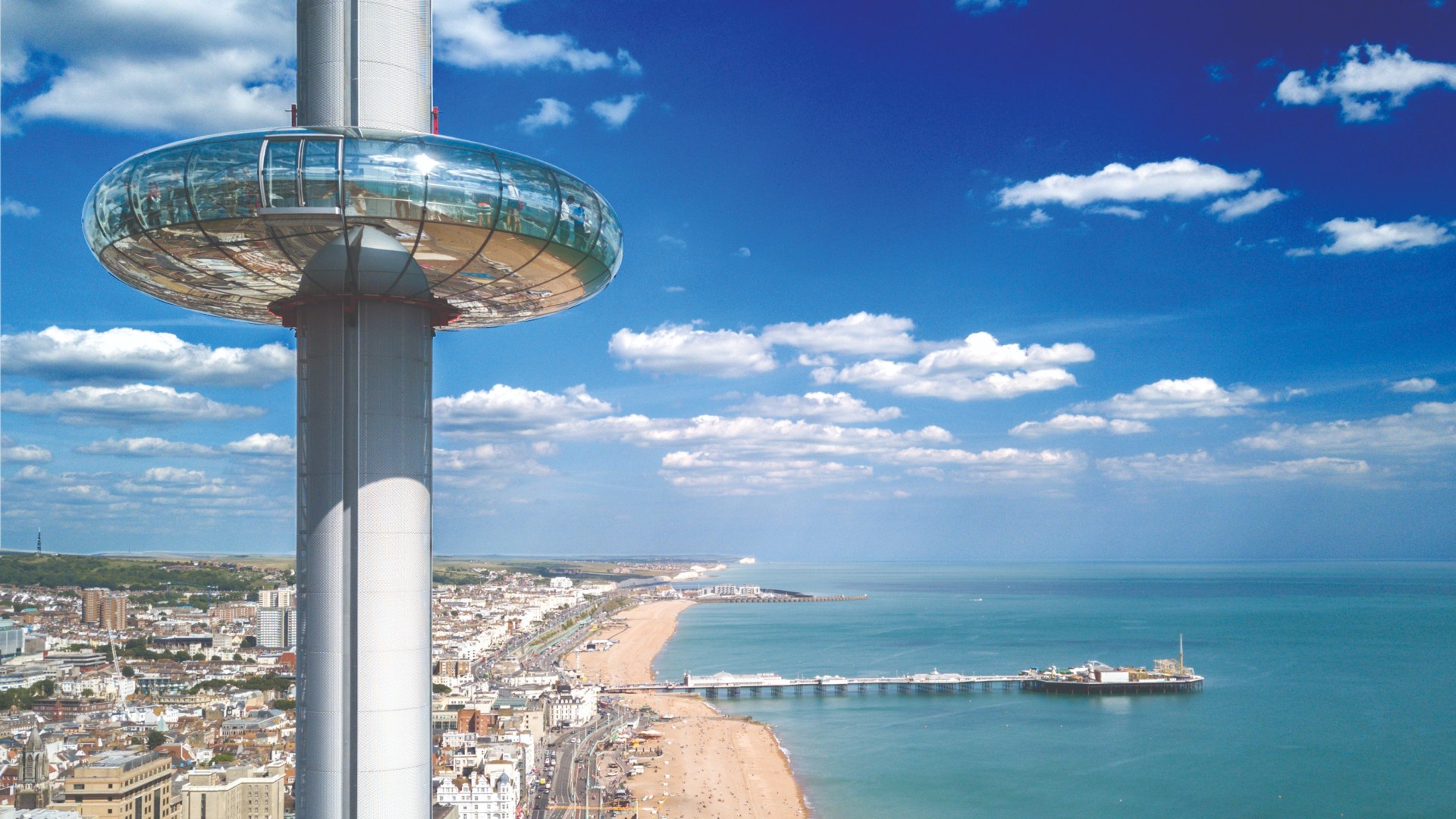
The Brighton i360, a 531-foot observation tower, has become a source of contention and financial burden for Brighton and Hove City Council. Initially hailed as a potential iconic landmark and tourist magnet, the project has been plagued by a series of setbacks, ultimately leading to its administration and leaving the council with a £32 million deficit. The council’s initial £36 million loan towards the construction has now become a significant financial liability, prompting outrage and frustration among residents who had voiced concerns about the project from its inception. The i360’s struggles highlight the risks associated with large-scale public investments and the importance of rigorous feasibility studies and public consultation.
The i360’s failure can be attributed to several factors. Mechanical and technical issues in the early stages, including instances of the viewing pod becoming stuck, negatively impacted public perception and likely deterred potential visitors. The high ticket prices, averaging around £20, further limited accessibility, particularly for families. These challenges were compounded by unpredictable weather conditions and ultimately exacerbated by the COVID-19 pandemic, which severely curtailed tourism. Despite initial projections of attracting millions of visitors and generating substantial revenue, the i360 consistently underperformed, failing to meet its financial obligations.
The council’s subsequent request for public input on how to address the £30 million shortfall has been met with widespread criticism. Residents feel betrayed by the council’s decision to proceed with the project despite public opposition and skepticism regarding its viability. The council’s current financial predicament, requiring cuts across essential services, has intensified public anger and fueled accusations of fiscal mismanagement. Many residents believe the i360 debacle represents a failure of local government to heed public concerns and prioritize essential services over ambitious but ultimately flawed projects.
The i360’s financial woes are not an isolated incident within Brighton and Hove. The city has been dubbed Britain’s “most expensive seaside town,” with parking charges recently increased by an average of 6%. This further burdens residents and visitors, adding to the perception of financial mismanagement within the council. The council’s justification for the parking hike, citing reinvestment in infrastructure and environmental programs, has done little to appease residents who feel increasingly squeezed by rising costs and perceive a lack of transparency in how public funds are allocated.
The i360 project, from its inception to its current state of administration, illustrates a series of missteps and miscalculations. Initial projections of visitor numbers proved wildly optimistic, failing to account for potential technical issues, high ticket prices, and the impact of external factors such as weather and the pandemic. The council’s decision to approve the project despite vocal opposition and concerns regarding its financial viability raises questions about the decision-making process and the influence of vested interests. The lack of adequate contingency planning and risk assessment further contributed to the project’s downfall.
The i360’s legacy is one of financial burden and public disillusionment. The council’s substantial investment has yielded little return, leaving taxpayers to bear the brunt of the project’s failure. The incident serves as a cautionary tale about the importance of due diligence, public consultation, and realistic financial projections when undertaking large-scale public projects. The fallout from the i360 debacle will likely have long-lasting consequences for Brighton and Hove, impacting public trust in local government and potentially hindering future development initiatives. The council’s current efforts to find solutions and mitigate the financial damage will require transparency and accountability to regain public confidence.