



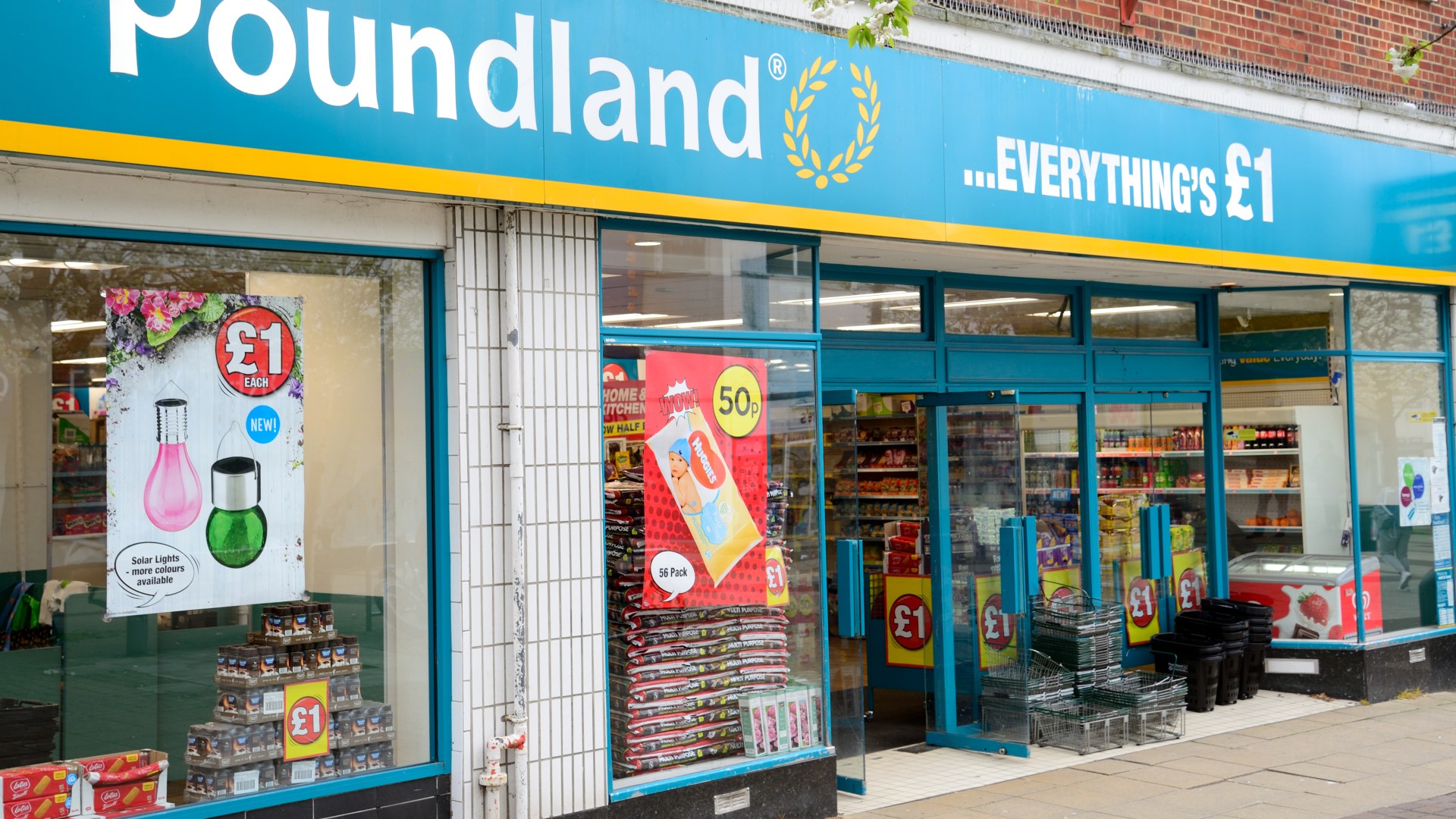
Poundland, the UK’s prominent discount retailer, is navigating a turbulent period marked by plummeting profits and a strategic reassessment by its parent company, Pepco. The Polish owner has recorded a substantial £639 million writedown on Poundland’s value, reflecting the retailer’s struggles amidst a challenging economic landscape characterized by weak sales, rising costs, and inflationary pressures. Pepco CEO, Stephan Borchert, has acknowledged the need to explore all available options to restore Poundland to profitability, fueling speculation that the discount chain could be divested by its Eastern European-focused parent. While a definitive decision is yet to be announced, Mr. Borchert’s comments have raised concerns about the long-term future of Poundland’s 836 UK stores.
The retailer’s declining performance is attributed to several factors, including a miscalculated strategy to expand its clothing offerings, which diverted focus from its core value proposition of £1 items. The subsequent price increases across most products, implemented in response to inflationary pressures, further eroded Poundland’s competitive edge and alienated its price-sensitive customer base. Consequently, underlying earnings have plummeted by two-thirds in the past year, from £61 million to a mere £23 million. In stark contrast, Pepco, with its 3,781 stores across Europe, is experiencing robust growth, reporting record sales of £5.1 billion and announcing its first dividend since its listing three years ago. This disparity in performance further underscores the challenges facing Poundland and raises questions about its strategic fit within the Pepco group.
Beyond Poundland’s struggles, the UK business landscape is witnessing a confluence of trends, from shifting work patterns to financial scandals and regulatory challenges. The return-to-office movement is gaining momentum, with over half of workers now commuting five days a week, according to mobile data analysis. This shift, driven by employer mandates and a desire for increased collaboration, marks a significant departure from the flexible work arrangements prevalent during the pandemic. Meanwhile, the energy sector continues to grapple with volatile pricing, with analysts forecasting further increases in household bills. Cornwall Insight predicts a 1% rise in the price cap in January, potentially adding another £24 to average household energy costs, exacerbating the cost-of-living crisis.
Furthermore, the UK’s financial landscape is facing several challenges. Games Workshop, the fantasy miniature model-maker recently listed on the FTSE 100, has secured a lucrative deal with Amazon for a film and TV series based on its Warhammer 40,000 franchise. This partnership with the tech giant signals the increasing value of intellectual property and the growing convergence of entertainment and gaming. In contrast, Moonpig, the online greetings card retailer, has reported a £33 million loss, attributed to a writedown on its “experiences” arm, highlighting the evolving consumer landscape and the challenges faced by businesses adapting to changing preferences.
The financial sector is also grappling with the potential fallout from a motor finance scandal, with millions of drivers potentially eligible for compensation following a court ruling requiring greater transparency in lender commissions to car dealers. The Financial Conduct Authority (FCA) has indicated the scale of this scandal could rival the Payment Protection Insurance (PPI) mis-selling saga, potentially exceeding £30 billion in payouts. Banks like Lloyds and Santander are facing significant exposure, adding to the sector’s existing challenges. Finally, Thames Water, the UK’s largest water and wastewater services company, is facing scrutiny over its executive compensation practices. CEO Chris Weston defended a substantial performance bonus despite the company’s financial struggles, including a £16 billion debt burden and a 40% increase in sewage spills. These events underscore the complex interplay of financial performance, regulatory oversight, and public perception in the UK’s dynamic business environment.
In summary, the UK business landscape is marked by both opportunities and challenges. While companies like Games Workshop are capitalizing on the growing demand for entertainment and intellectual property, retailers like Poundland are struggling to adapt to changing consumer behavior and economic pressures. The return-to-office trend is reshaping work patterns, and the energy sector continues to face uncertainty. Meanwhile, financial scandals and regulatory scrutiny are adding further complexity to the UK’s dynamic business environment. The future success of businesses operating in this environment will depend on their ability to navigate these challenges, adapt to evolving consumer preferences, and maintain a strong focus on sustainable and ethical practices.