


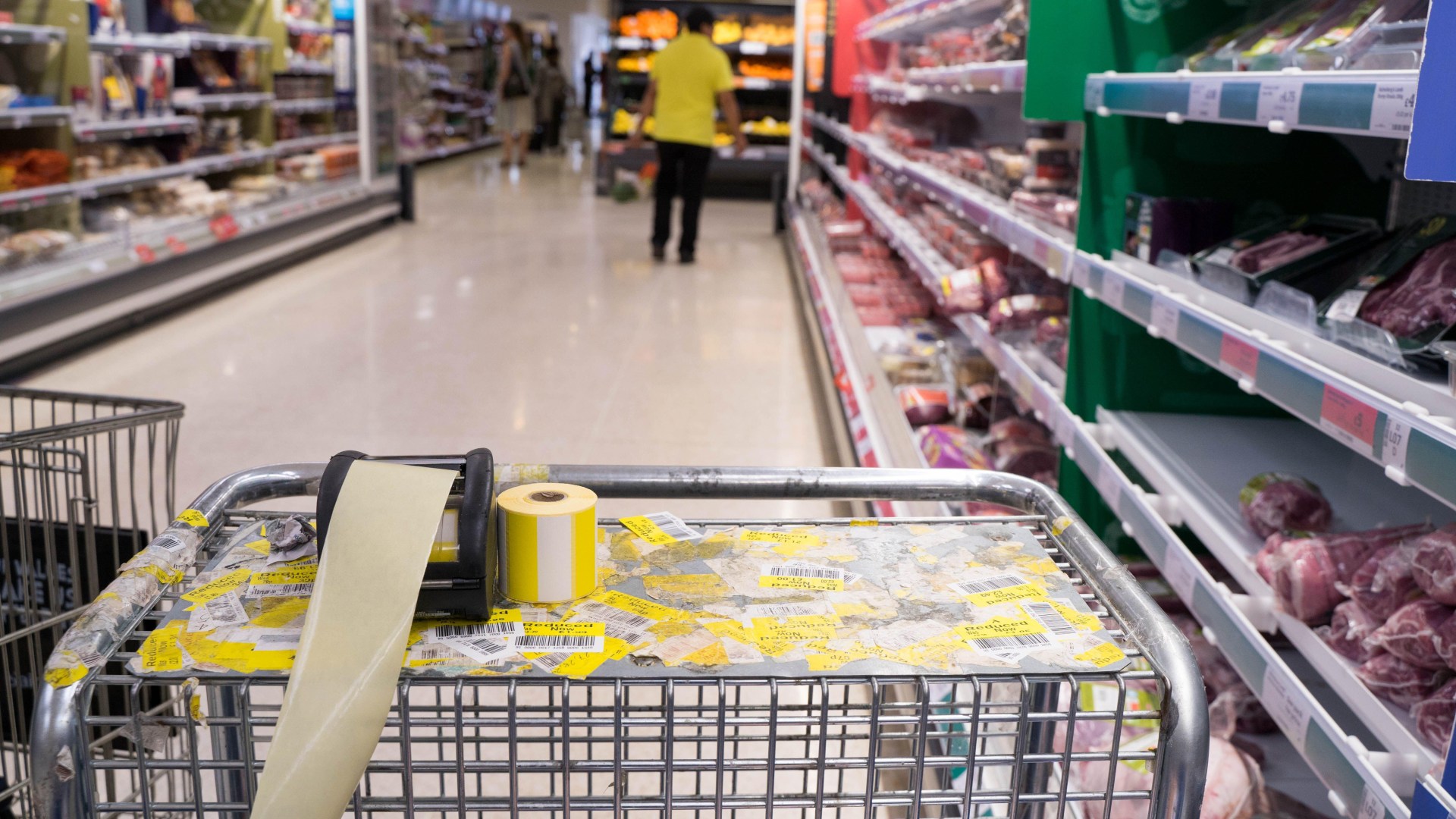
Yellow sticker bargains, those brightly colored labels signifying discounted prices on soon-to-expire or slightly damaged goods, present a significant opportunity for shoppers to slash their grocery bills. While the allure of these markdowns is undeniable, maximizing savings requires strategic timing and an understanding of individual supermarket practices. Although there’s no universally applicable “best time,” certain patterns emerge, offering savvy shoppers a competitive edge.
Aldi, known for its red sticker discounts rather than yellow, typically reduces prices towards the end of the day. Perishable items like bread, meat, and produce can be found at up to 75% off just before closing time, while non-perishables with damaged packaging often see a 30% discount. Sainsbury’s, in contrast, varies its markdown timing by store, although a timeframe between 5pm and 7pm is often cited as a prime window for discounts. Similarly, Tesco offers no set schedule for applying its yellow stickers, instead encouraging shoppers to seek out designated markdown sections or signage indicating price reductions. Lidl, distinguished by its orange stickers, often begins markdowns between 4pm and 5pm, with discounts reaching up to 60%. This narrow window creates a sense of urgency, as these deals are often quickly snatched up by eager shoppers.
Asda, like many supermarkets, lacks a standardized markdown time across its branches, but often implements price reductions twice daily, typically in the morning and evening. Co-op also varies its reduction times based on individual store stock levels and product expiration dates. Waitrose, a higher-end retailer, generally applies its largest discounts, sometimes up to 50% off, a couple of hours before closing time. Therefore, while no hard and fast rule applies across all supermarkets, late afternoon and early evening often present the highest probability of encountering yellow sticker bargains. However, morning reductions are also a possibility at some chains, suggesting that flexibility and frequent visits can enhance savings potential.
Beyond yellow sticker hunting, several other strategies can dramatically reduce grocery expenses. “Odd boxes,” containing slightly imperfect or surplus produce, are offered by numerous retailers at heavily discounted prices. Lidl’s “Waste Not” scheme, Aldi’s “Too Good to Go” bags, and Sainsbury’s “Taste Me, Don’t Waste Me” boxes exemplify these initiatives. Such programs simultaneously combat food waste and offer substantial savings. Food waste apps like Too Good to Go and Olio connect consumers with businesses seeking to offload soon-to-expire food, offering discounted prices or even free items. These apps provide a convenient way to access a wide range of reduced-price food from various local establishments.
Joining online bargain hunting communities can also yield valuable insights. Facebook groups dedicated to couponing and bargain hunting offer a platform for shoppers to share their latest finds, including discounted groceries. Learning from the collective experience of these communities can significantly enhance one’s bargain hunting prowess. “Downshifting,” the practice of switching from premium brands to supermarket own-brand economy lines, is another powerful strategy for reducing grocery costs. This simple shift, recommended by consumer expert Martin Lewis, can lead to substantial cumulative savings over time. By combining yellow sticker hunting with these additional strategies, consumers can maximize their grocery savings and effectively manage their household budgets.
Optimizing yellow sticker savings requires more than simply showing up at the supermarket. Understanding the nuances of individual store practices, including markdown timing and designated reduction areas, is crucial. Combining this knowledge with a proactive approach, such as utilizing food waste apps and embracing “downshifting,” can empower consumers to drastically reduce their grocery expenses. Furthermore, staying informed through online bargain hunting communities provides access to real-time deals and insights from fellow shoppers, amplifying the potential for savings.
In conclusion, yellow sticker shopping presents a compelling avenue for budget-conscious individuals. By combining strategic timing, awareness of store-specific practices, and complementary cost-saving strategies like odd boxes, food waste apps, and downshifting, shoppers can unlock significant savings. The pursuit of yellow sticker bargains is not merely about cutting costs; it represents a proactive approach to managing household finances and reducing food waste, benefiting both the individual and the environment.