


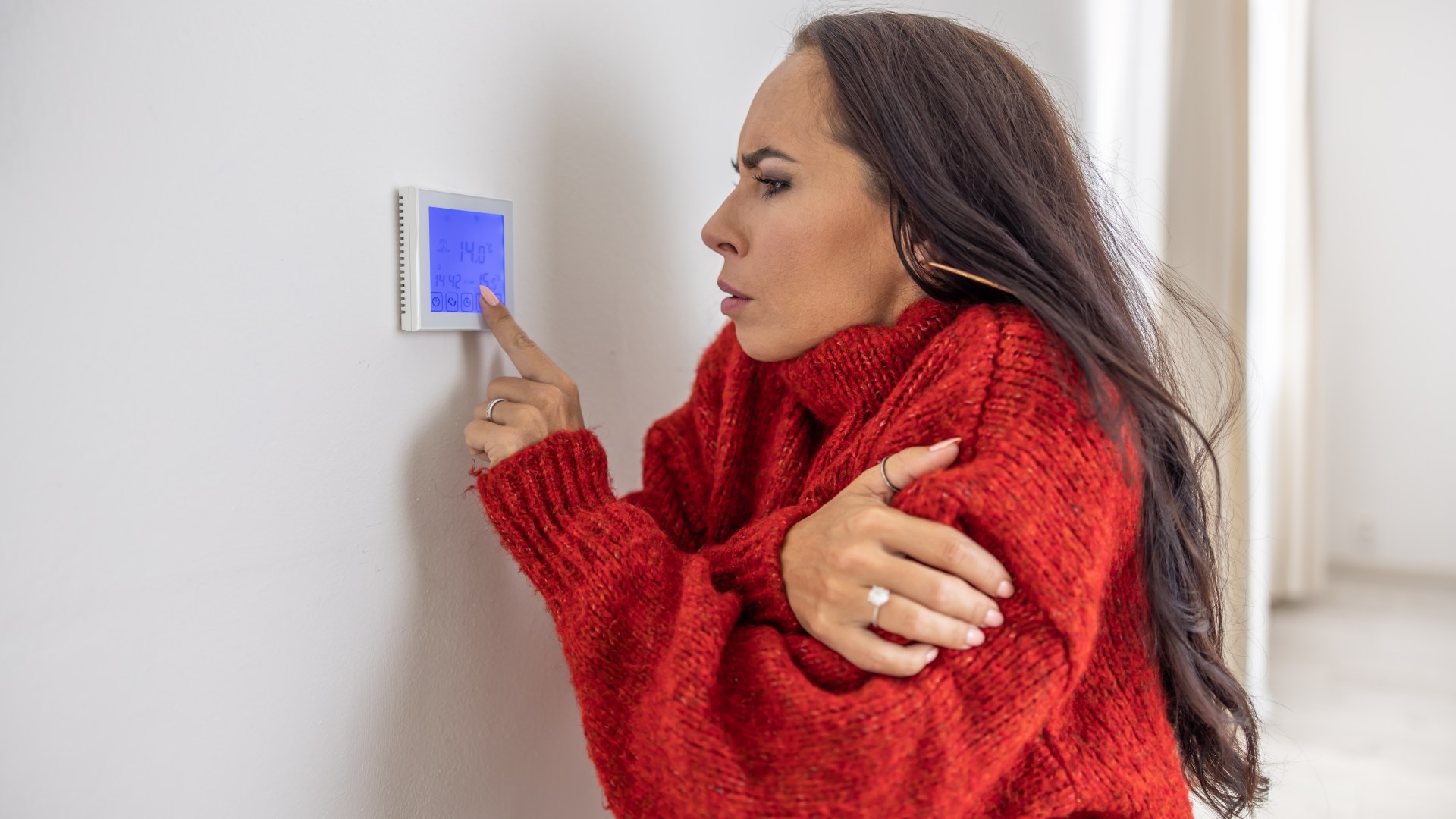
Optimizing thermostat placement is crucial for efficient heating and minimizing energy costs. The ideal location for a thermostat is in the most frequently used room, typically the living room, as this space usually maintains a stable temperature. Positioning the thermostat in areas prone to temperature fluctuations, such as near radiators, ovens, direct sunlight, or hallways, can lead to inaccurate readings and unnecessary heating cycles. Hallways, in particular, experience temperature drops each time the exterior door is opened, potentially triggering the heating system even when the rest of the house is adequately warm. Ensuring proper airflow around the thermostat is essential for accurate temperature assessment. Lowering the thermostat setting by just one degree can result in energy savings of up to 10%. The Energy Saving Trust recommends maintaining a winter thermostat setting between 18 and 21 degrees Celsius.
If relocating the thermostat is not feasible, consider checking if it is battery-operated, which allows for easy repositioning. Upgrading to a wireless thermostat offers greater flexibility in placement and control over heating. For those struggling with energy bills, contacting the energy supplier is the first step. Suppliers can offer advice, support, and potential repayment plans to manage outstanding balances and avoid prepayment meters. Negotiating a manageable repayment plan is essential if the initial offer is unaffordable. Several energy companies offer grant programs to assist customers facing financial hardship. Eligibility criteria and grant amounts vary depending on the supplier and individual circumstances. Examples include British Gas and Scottish Gas, which offer grants up to £2,000, and EDF, E.ON, Octopus Energy, and Scottish Power, which also provide financial assistance.
Vulnerable households can benefit from registering with the Priority Services Register (PSR). This service offers support to elderly or ill individuals, including advance notice of blackouts, free gas safety checks, and additional assistance during challenging times. Contacting the energy supplier is necessary to determine eligibility and apply for the PSR. Smart thermostats, while offering advanced control and potential energy savings, come with an upfront cost ranging from £120 to £220, plus an installation fee of £30 to £80.
Beyond thermostat placement, several other strategies can contribute to lower energy bills. Switching to a fixed energy tariff can potentially save an average household around £130 annually. Strategically scheduling heating times to align with occupancy patterns can further optimize energy usage. For example, setting the heating to activate an hour or two before waking up and deactivate before leaving for the day ensures a warm house during occupied hours. Turning off radiators in unused rooms is another effective way to reduce energy consumption. Non-heating methods of staying warm include layering clothing, using blankets, investing in a thick winter duvet, or utilizing an electric blanket (operating cost around 3p per hour). Hot water bottles provide a cost-free way to maintain warmth, particularly in bed. It is crucial to use new hot water bottles due to potential perishing with age, and avoid filling them with boiling water.
Eligibility for the Winter Fuel Payment, offered to older individuals and those receiving certain benefits, should also be explored. Some energy companies provide free heating on Christmas Day, which can significantly reduce holiday energy costs. These combined strategies offer a comprehensive approach to managing energy consumption and reducing expenses during the winter months. From optimal thermostat placement to utilizing non-heating methods and exploring available financial assistance programs, individuals can take proactive steps towards a warmer and more affordable winter season.
By understanding the factors influencing energy usage and implementing these practical tips, households can effectively manage their heating costs and create a comfortable living environment without excessive energy expenditure. The key takeaways involve optimizing thermostat location, exploring available financial assistance programs, adopting strategic heating schedules, utilizing non-heating warming methods, and staying informed about potential cost-saving opportunities like free heating days. Taking a proactive approach to energy management empowers individuals to navigate the winter months with greater control over their energy bills and overall comfort.
Furthermore, understanding the interplay between thermostat placement and heating efficiency is crucial for avoiding unnecessary energy waste. Incorrect placement can lead to inaccurate temperature readings, causing the heating system to cycle on and off more frequently than needed. This not only increases energy consumption but also puts added strain on the heating system, potentially leading to premature wear and tear. By strategically positioning the thermostat in a location representative of the overall house temperature, individuals can ensure efficient heating and minimize wasted energy.
The importance of seeking assistance from energy suppliers cannot be overemphasized. Suppliers are equipped to provide personalized advice and support tailored to individual circumstances. They can offer guidance on available financial assistance programs, negotiate manageable repayment plans, and provide access to resources like the Priority Services Register. Open communication with energy suppliers is essential for navigating financial challenges and ensuring access to available support systems.
Finally, embracing a holistic approach to winter warmth involves combining various strategies. From optimizing thermostat placement and utilizing non-heating warming methods to exploring financial assistance and strategic heating scheduling, individuals can create a comprehensive plan to manage energy costs effectively. By staying informed about available resources and implementing these practical tips, households can navigate the winter months with greater confidence and control over their energy expenses.