



The tradition of newspaper publication on Christmas Day has a rich and evolving history. For decades, a shared agreement among newspapers dictated a publication hiatus on December 25th, allowing staff a well-deserved respite during the holiday. This practice, dating back to 1912, solidified a cultural understanding that news could pause, even momentarily, amidst the festive season. This collective decision prioritized the well-being of newspaper employees, recognizing the demanding nature of their work and the importance of shared time with loved ones. The long-standing tradition held firm for nearly a century, becoming a predictable aspect of the holiday landscape.
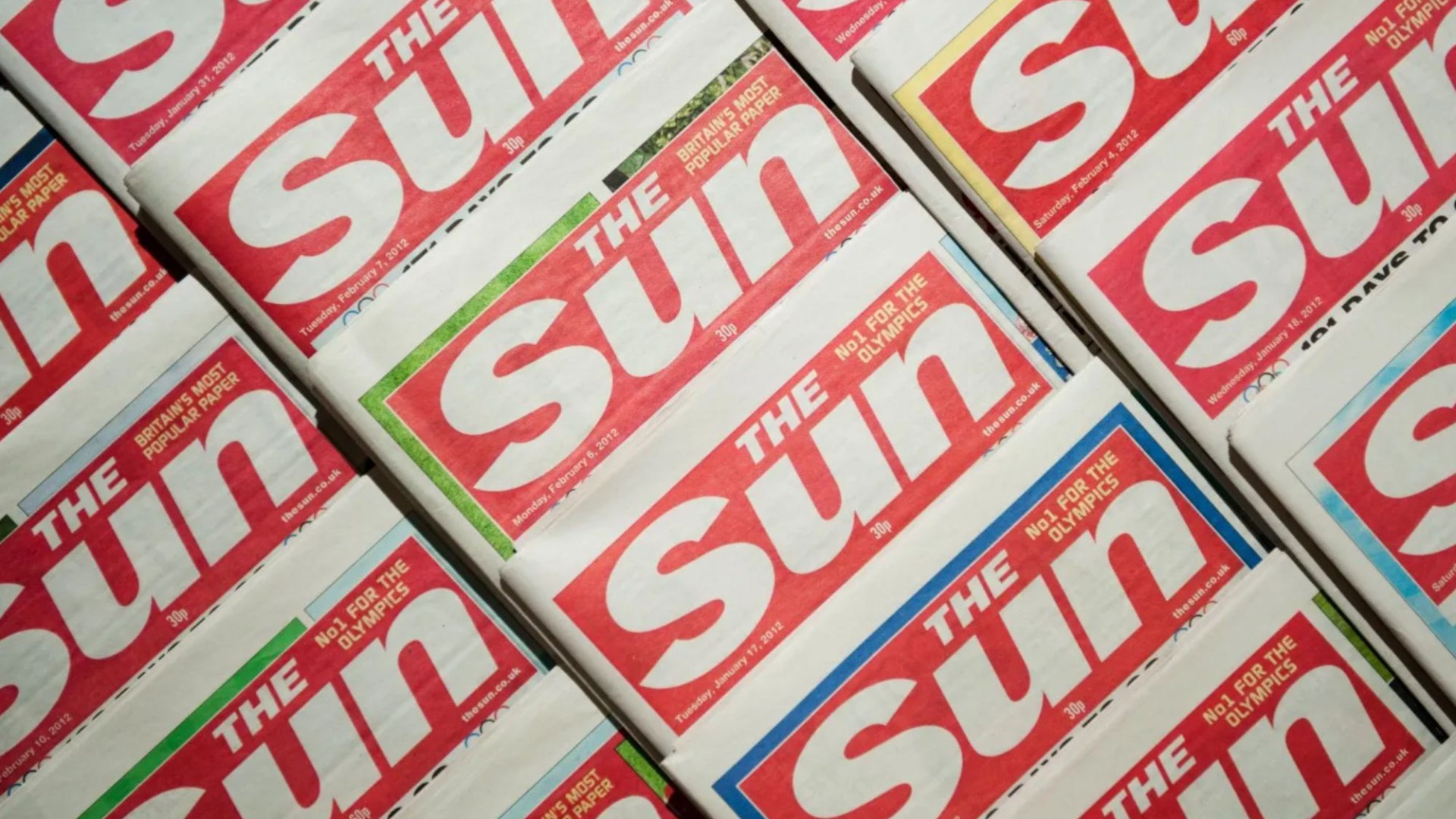
However, the advent of the digital age and evolving news consumption habits began to challenge this established norm. In 2010, The Sun, a prominent UK newspaper, broke with tradition, publishing a digital edition on Christmas Day. This decision, driven by technological advancements and a desire to adapt to changing reader expectations, marked a significant shift in the newspaper industry’s approach to holiday publication. The Sun’s move signaled a growing recognition of the 24/7 news cycle and the increasing demand for immediate access to information, regardless of the date. While respecting the historical significance of the Christmas Day publication pause, The Sun’s editor at the time, Dominic Mohan, emphasized the innovative nature of their digital offering and the opportunity to connect with readers in a new way.
In the years following The Sun’s digital Christmas Day edition, the landscape of holiday newspaper publication has become more nuanced. While some newspapers continue to adhere to the traditional practice of suspending print editions on Christmas Day, others have embraced the changing times, offering both print and digital versions. The decision to publish or not often reflects a publication’s specific readership, target audience, and overall editorial strategy. Factors such as the nature of the news cycle, the availability of staff, and the perceived demand for a Christmas Day edition all contribute to each newspaper’s individual decision-making process.
Looking ahead to Christmas Day 2024, the majority of newspapers are expected to publish editions, reflecting the evolving trend toward continuous news availability. The Sun, having established a precedent for Christmas Day publication, is likely to continue this practice. However, some publications, particularly those with a strong tradition of respecting holiday closures, may choose to maintain the historical practice of suspending print editions. Publications like The Wall Street Journal and The Financial Times, known for their focus on business and finance, may opt to pause publication, recognizing that markets are closed and trading activity is minimal on Christmas Day.
New Year’s Day, unlike Christmas Day, has seen a more consistent approach to newspaper publication. Following The Sun’s lead in breaking with the Christmas Day tradition, most newspapers now publish editions on New Year’s Day. Publications such as The Daily Mail, The Daily Mirror, and The Guardian are among those that typically offer print editions on January 1st, making news readily available for readers as the new year begins. This consistent publication pattern on New Year’s Day suggests a greater perceived demand for news at the start of the year, compared to the more family-centric atmosphere of Christmas Day.
The evolving landscape of holiday newspaper publication reflects the dynamic nature of the media industry and the ongoing adaptation to changing reader habits. The tension between upholding tradition and embracing innovation is evident in the diverse approaches taken by different newspapers. Whether adhering to the century-old practice of a Christmas Day pause or embracing the demand for continuous news availability, each publication carefully weighs a variety of factors in determining its holiday publication strategy. The ongoing evolution of this tradition underscores the complex interplay between historical practices, technological advancements, and the ever-changing needs of a 24/7 news-consuming audience.