


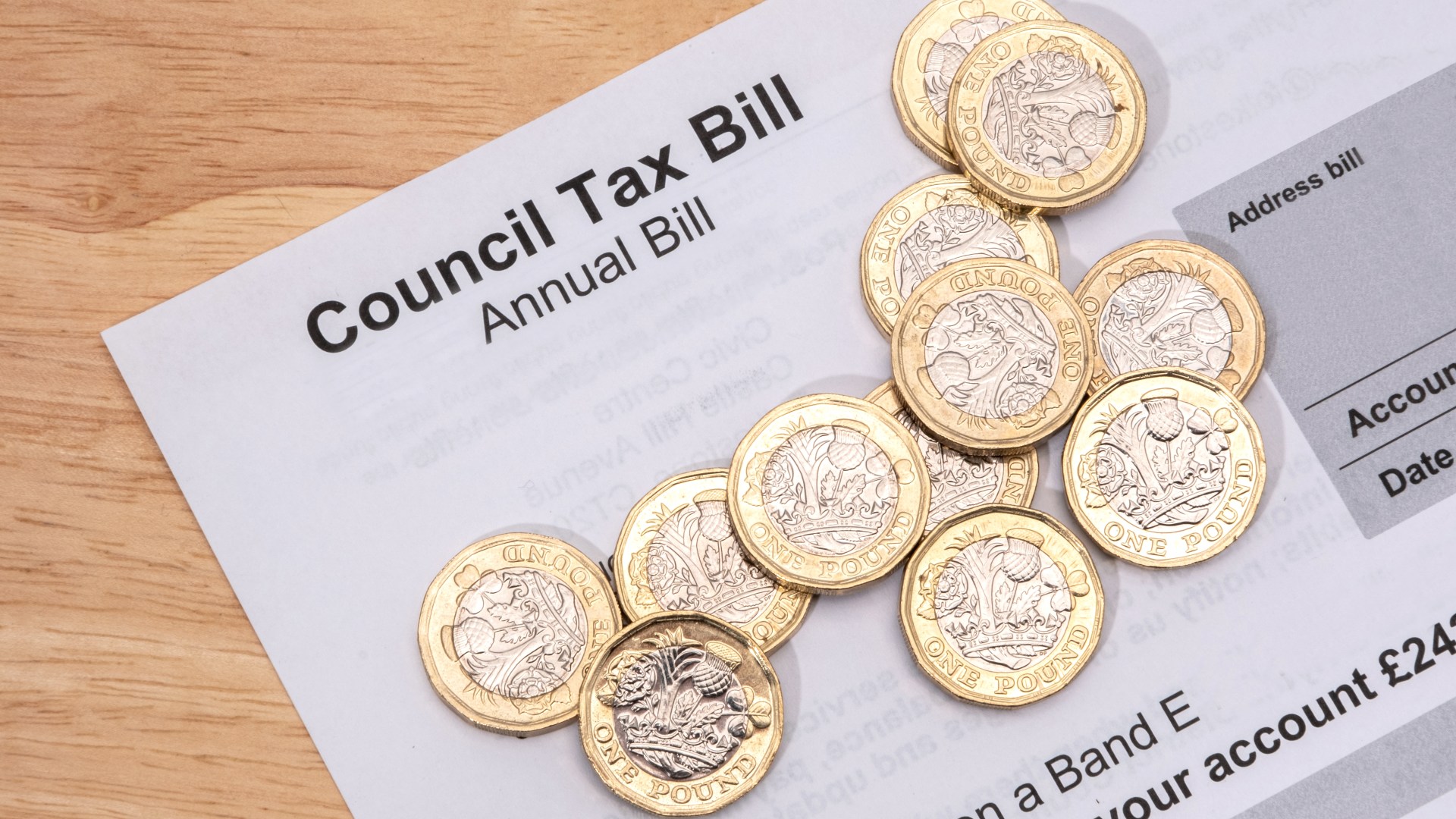
The festive season often leads to overspending, leaving many households seeking ways to tighten their budgets in the new year. One effective method to reduce expenses is to explore potential Council Tax reductions. Thousands of households might be eligible for these discounts but are currently unaware of the available support. These reductions can significantly alleviate financial strain, particularly for low-income households and those receiving specific benefits. The discounts can range up to 100% of the Council Tax bill, offering substantial relief for those struggling to manage their finances.
Council Tax, a local authority charge based on property value, varies across the UK. The average Band D property in England currently faces an annual bill of approximately £2,171, with further increases expected. Eligibility for Council Tax reduction is determined by various factors, including location, individual circumstances (income, number of children, benefit entitlements, residency status), household income (including savings, pensions, and partner’s income), presence of children in the household, and whether other adults reside in the property. Applications are open to homeowners, renters, employed individuals, and those seeking employment. Crucially, each council administers its own scheme, leading to variations in available support.
Specific circumstances can impact the level of Council Tax reduction available. Single individuals, or those living with “disregarded” individuals, might qualify for a 25% reduction. Disregarded individuals include those under 18, participants in specific apprentice schemes, full-time students aged 18-19, university or college students, individuals under 25 receiving Education and Skills Funding Agency funding, student nurses, registered foreign language assistants, those with severe mental impairments, live-in carers (excluding partners, spouses, or children under 18), and diplomats. For instance, a single adult residing with someone severely mentally impaired qualifies for a 25% discount. All-student households are entirely exempt from Council Tax.
Before applying for a reduction, understanding your current Council Tax liability is essential. Property owners in England and Wales can determine their Council Tax band through the GOV.UK website, while Scottish residents can utilize the Scottish Assessors website. This information helps in assessing potential savings. Councils are obligated to notify residents directly of any changes to their Council Tax bill, whether an increase or decrease. This notification is typically delivered via letter or email. The GOV.UK website can assist in identifying your local council.
Low-income households and those receiving certain benefits may be eligible for Council Tax Support. Eligibility criteria and the level of support vary depending on the local council. Some councils operate means-tested discounts, where the reduction is calculated based on household circumstances. Others link Council Tax Support to Universal Credit applications. Some councils offer flexible payment options, allowing residents to spread their payments over 12 months instead of the standard 10, easing the financial burden. In certain cases, a one-off discount may be granted if payment remains challenging. It’s crucial to contact your local council promptly if facing difficulties in meeting Council Tax payments.
Pensioners also benefit from Council Tax reduction schemes. Those receiving the Guarantee Credit element of Pension Credit can qualify for up to 100% discount. Pensioners with low incomes and savings below £16,000 might also receive assistance, even without Guarantee Credit. Single pensioners are eligible for a 25% discount. Those below the State Pension age are assessed under “working age scheme” rules, which may be less generous than those applied to pensioners. Consulting with your local council clarifies the applicable rules. Furthermore, households with a severely mentally impaired resident may qualify for a 25% discount, provided no other non-disregarded adults are present. Severely mentally impaired individuals living alone could receive a 100% discount. Exemptions also apply to households where all adults are either severely mentally impaired or full-time students. A 50% discount is available if all other household members are disregarded.
Initiating the application process involves contacting your local council. The government website offers a tool to identify your council area if uncertain. If your application is rejected, you can request a review from your local council within two months of the decision. Clearly state your reasons for contesting the decision. If the review is unsuccessful, you can appeal to the Valuation Tribunal Service. Remember to contact your local council as soon as possible if you’re struggling with Council Tax payments. For further assistance with money-related issues, consider seeking guidance from relevant organizations or joining online communities dedicated to financial advice and support.