


The Ann Summers store in Doncaster city centre, a long-standing fixture known for its lingerie and adult novelties, is set to close its doors on Christmas Eve 2024. The closure is attributed to the expiration of the store’s lease, a situation the company says is part of its regular business practice of reviewing store locations. This process sometimes leads to new openings, renovations, relocations, or, as in this case, closures. The company has stated that affected employees have been consulted and kept informed throughout the closure process. In the lead-up to its final days, the store is holding a warehouse clearance event with discounts of up to 70% off, encouraging customers to take advantage of the final opportunity to shop in-store. The nearest remaining Ann Summers store for Doncaster residents will be in Sheffield, approximately a half-hour drive away.
The Doncaster closure reflects broader trends within the retail landscape, particularly the increasing challenges faced by brick-and-mortar stores. The rise of online shopping has significantly impacted in-store sales, while simultaneously, operational costs, including staffing, continue to rise. This combination of declining revenue and increasing expenses makes it difficult for some stores to remain profitable. The shift in consumer behaviour towards online shopping, coupled with the allure of retail parks offering free and convenient parking, presents a formidable challenge to high street retailers.
Ann Summers, with approximately 130 UK branches, has experienced other closures recently, including a store on Glasgow’s Argyle Street last year. In that instance, the closure was attributed to the landlord’s decision to close three units in the area. However, the brand indicated plans to relocate within the city. This pattern of closures and relocations underscores the dynamic nature of the retail sector and the need for companies to adapt to changing market conditions and consumer preferences. While physical stores grapple with these challenges, the Ann Summers website offers an alternative for customers, providing direct-to-consumer sales and delivery.
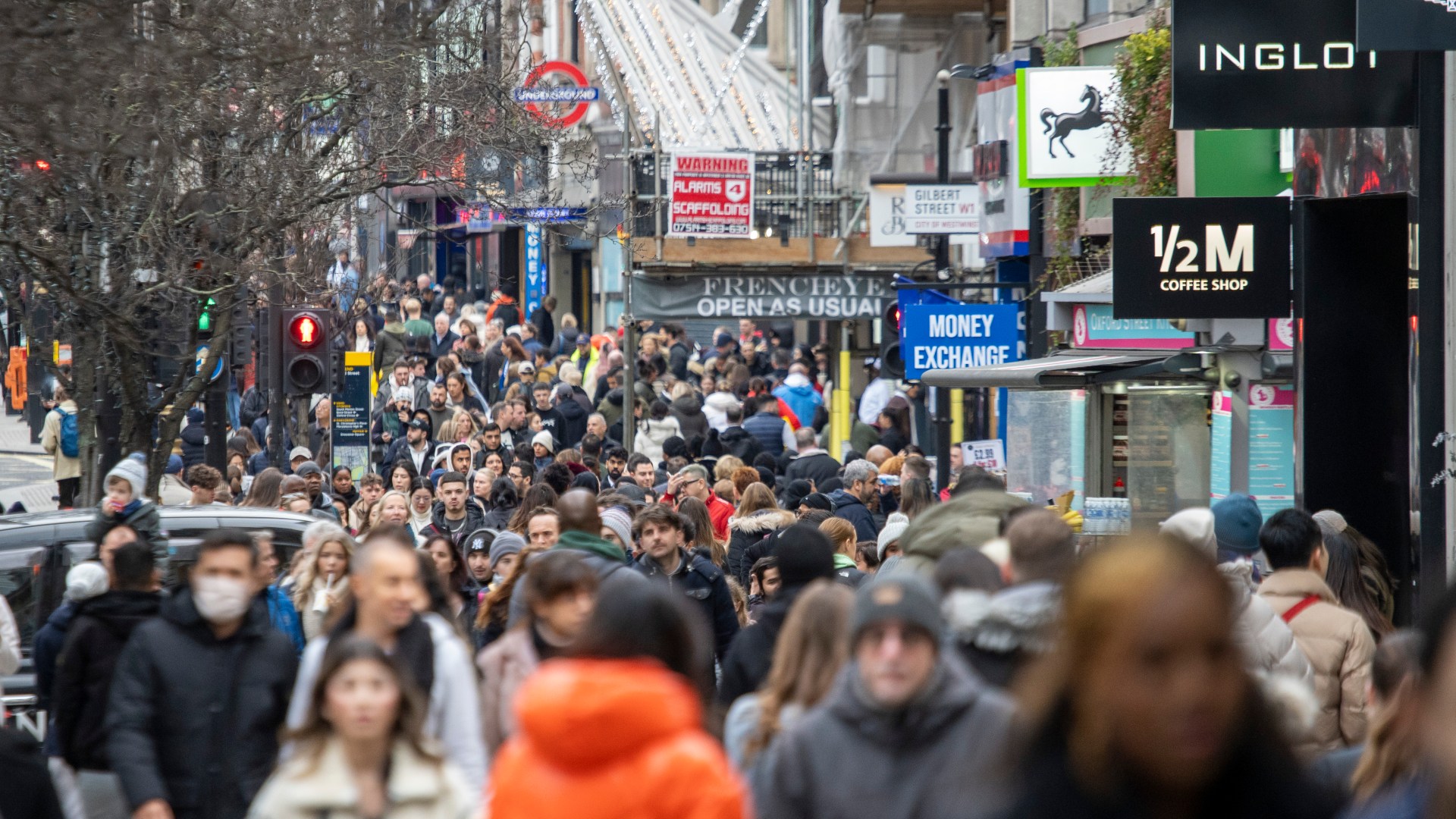
The challenges faced by Ann Summers are not unique. Across the UK, high streets are grappling with increasing numbers of vacant storefronts, often symptomatic of a wider decline in town centres. This decline is largely driven by the rise of online shopping, which offers convenience and often lower prices, putting pressure on physical stores to compete. The closure of major retailers can have a cascading effect on high streets, leading to reduced foot traffic and impacting the viability of other businesses in the area.
Retail parks, with their ample free parking, are increasingly attracting shoppers, particularly as local councils have often increased parking charges in town centres. This shift in consumer preference has led many retailers, including prominent names like Next and Marks & Spencer, to close high street locations and open larger stores in retail parks. This strategy aims to capitalize on higher foot traffic and potentially lower operational costs associated with retail park locations. The success of this approach is evidenced by retailers like Marks & Spencer, who reported significant sales increases after relocating a store to a retail park.
Beyond the shift to online shopping and the allure of retail parks, store closures are also a consequence of business failures. Numerous retailers, including Wilko, Debenhams, Topshop, Dorothy Perkins, and Paperchase, have shuttered stores following insolvency. In some cases, the intellectual property rights of these failed businesses are acquired by other companies, allowing them to continue selling the brand online and potentially reopening a limited number of physical stores. However, these resurrected brands rarely achieve the same scale or geographic reach as their predecessors.
The closure of the Ann Summers store in Doncaster represents a microcosm of the broader challenges facing the UK high street. The changing retail landscape, driven by online shopping, the rise of retail parks, and economic pressures, has forced retailers to adapt and evolve. While some succeed in navigating these challenges, others, like the Doncaster Ann Summers, ultimately succumb to the pressures, leaving behind another vacant storefront on a struggling high street. The future of the high street remains uncertain, but one thing is clear: retailers must continue to innovate and adapt to meet the evolving needs and preferences of consumers.