


Starbucks, a prominent coffee chain with over 1,300 UK locations, is set to close its Dumfries High Street branch on January 12, 2024. The company stated the closure is part of a regular portfolio review to ensure stores remain relevant to customers. Employees at the affected location are being offered positions at nearby Starbucks branches. While customers expressed disappointment over the closure, the company directed them to alternative locations, including one on Annan Road in Dumfries. This closure follows a pattern of recent Starbucks closures, including branches in Reading, Dalton Park, and Belfast.
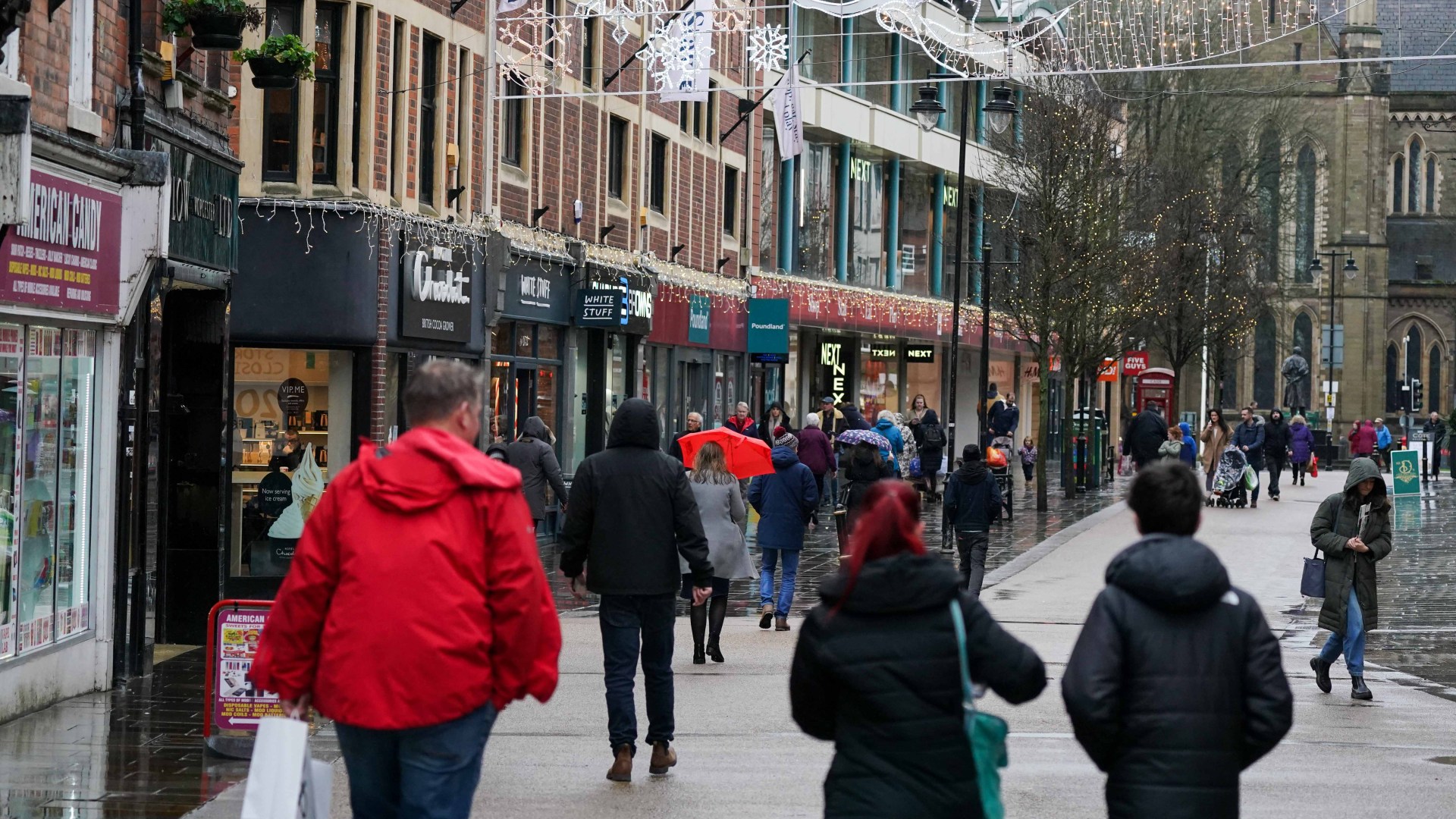
The closure of the Dumfries High Street Starbucks reflects the broader challenges faced by high street retailers. While Starbucks asserts the decision is based on relevance to customers, the closure aligns with trends of declining foot traffic in town centers, rising operating costs, and the increasing popularity of online shopping and retail parks. The reasons behind store closures are complex and vary from lease expirations and rent increases to low footfall and area redevelopment. The closure of prominent stores like Starbucks can further exacerbate the decline of high streets by reducing overall foot traffic and impacting other businesses in the area.
Despite the closure of the Dumfries location, Starbucks plans to expand its UK presence. The company announced plans to invest £30 million in opening 100 new stores across the UK, comprised of both company-operated and franchised locations. This expansion highlights the complex dynamics of the retail landscape, where companies may simultaneously close underperforming locations while pursuing growth opportunities in other areas. Starbucks’ expansion strategy suggests a focus on adapting to changing consumer preferences and market conditions.
The retail landscape in the UK is undergoing significant transformation, with the rise of online shopping and the increasing popularity of retail parks posing challenges for traditional high street retailers. Many retailers are struggling to maintain profitability due to declining in-store sales and increasing staff costs. Some retailers are opting to relocate from high street locations to larger stores in retail parks, where they can benefit from easier access, free parking, and higher foot traffic. The shift towards retail parks is exemplified by companies like Next and Marks & Spencer, which have reported significant sales increases after relocating to retail park locations.
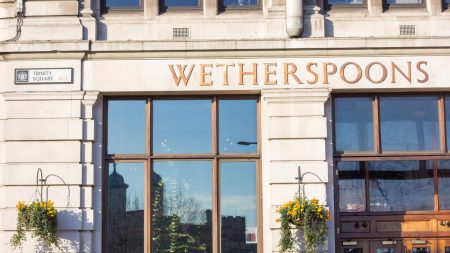
The hospitality industry is also facing considerable challenges, with rising costs and changing consumer habits impacting profitability. The COVID-19 pandemic, rising energy bills, and inflation have contributed to a difficult operating environment for restaurants, pubs, and cafes. Numerous chains, including Wetherspoons, Frankie & Benny’s, Costa, and Caffe Nero, have closed branches in recent months. Revolution Bars Group announced the closure of 11 locations, while Premier Inn owner Whitbread plans to axe 1,500 jobs and close over 200 restaurants and pubs. These closures reflect the wider economic pressures and changing consumer behavior affecting the hospitality sector.
The closures within the hospitality industry highlight the precarious situation faced by many businesses. Some companies, like Byron Burger and Tasty (owner of Wildwood), have fallen into administration or announced significant restructuring plans, resulting in job losses and restaurant closures. Even large chains like Stonegate, Britain’s biggest pub company, are facing challenges, raising concerns about their long-term survival. The difficulties faced by these businesses reflect the wider economic pressures and changing consumer spending patterns affecting the hospitality sector. The closure of the Starbucks in Dumfries, while specific to its local circumstances, is a microcosm of the larger challenges and transformations occurring within both the retail and hospitality industries.