


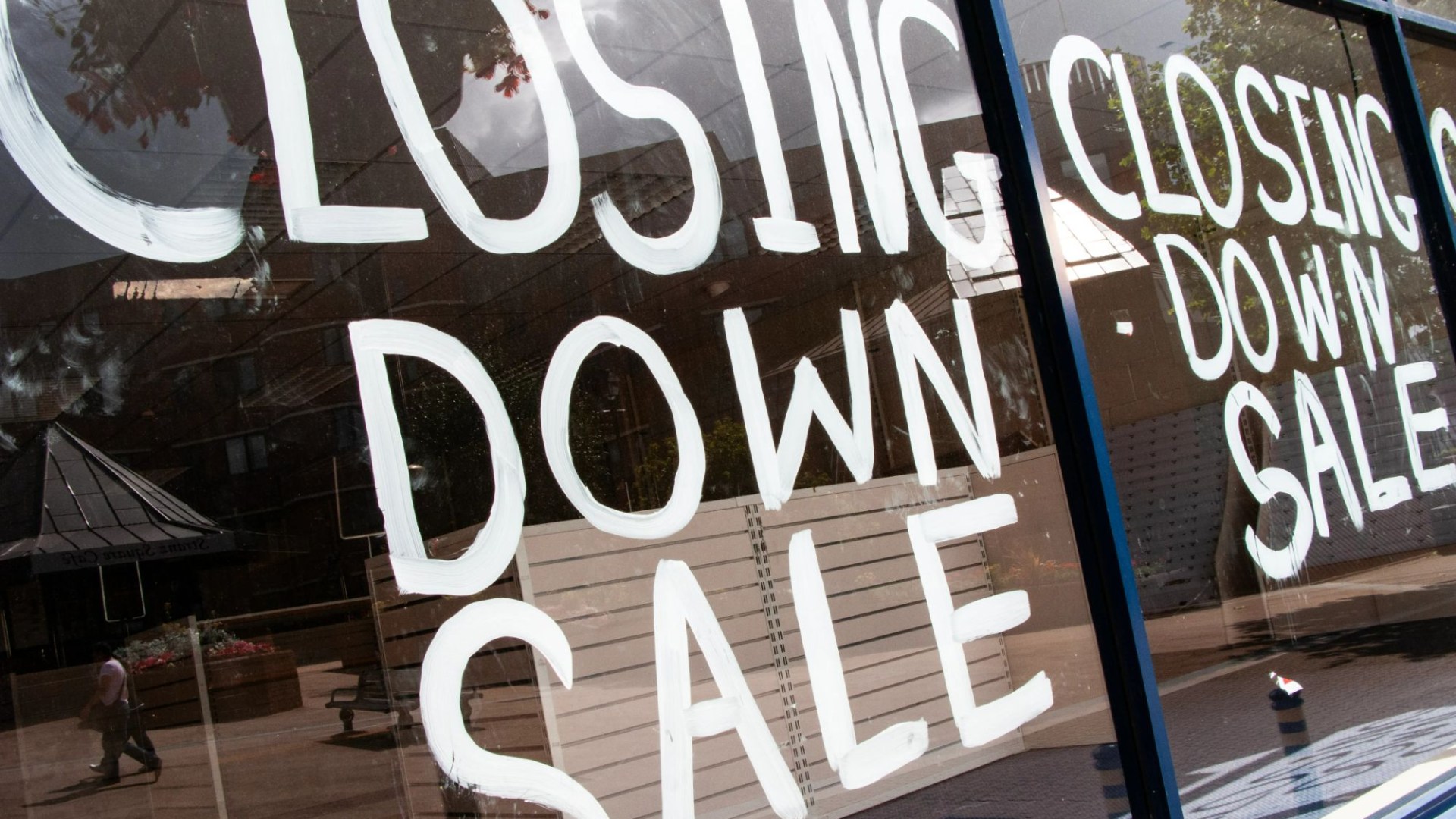
Dobbies Garden Centres, a major UK retailer, is undergoing a significant restructuring plan that involves the closure of multiple stores. This process, approved by the courts, is part of a strategy to regain sustainable profitability and attract future investments. The first wave of closures, affecting three locations in Gloucester, King’s Lynn, and Pennine, occurred recently, eliciting disappointment and concern from local customers who lament the loss of a valued community asset and worry about the potential impact on the town’s vitality. These initial closures mark the beginning of a larger downsizing effort, with seven additional garden centers slated for closure in the near future.
The decision to close these stores stems from a combination of factors affecting the retail landscape. The challenging economic climate, characterized by high inflation and a squeeze on consumer spending, has significantly impacted retailers, including those in the DIY and garden sector. This sector experienced a boom during the pandemic as people focused on home improvements while under lockdown, but the subsequent economic downturn has forced consumers to curtail spending on non-essential items. Dobbies’ restructuring plan is a direct response to these economic pressures, aiming to streamline operations and ensure long-term viability. Although the closures are regrettable, Dobbies emphasizes that it is a necessary step to secure the future of the remaining stores.
Dobbies’ restructuring also involves the sale of two garden centers, Morpeth and Stapleton, to other operators following negotiations with landlords regarding rent reductions. This further underscores the company’s commitment to achieving financial stability by optimizing its portfolio and mitigating costs. The company has also recently closed six of its smaller “Little Dobbies” locations, consolidating its operations further. While the closures are undoubtedly difficult for affected employees and communities, Dobbies stresses that these actions are essential for the overall health and sustainability of the business. The company maintains that it is working constructively with stakeholders throughout this process and is committed to a future of profitable growth.
The broader retail environment in the UK reflects the challenges facing Dobbies. The combination of high inflation, rising energy costs, and the shift to online shopping post-pandemic has created a difficult operating environment for many retailers. This has led to widespread store closures and job losses across the sector. The Centre for Retail Research reports that over 10,000 shops closed in 2023, resulting in over 119,000 job losses. While this represents a decrease from the previous year, it still highlights the significant strain on the retail industry. Experts predict that further closures are likely in the coming year as the economic pressures persist.
Several prominent retail chains have faced financial difficulties, illustrating the widespread impact of the current economic conditions. Homebase, for instance, recently entered administration and subsequently sold a majority of its stores to retail group CDS, the owner of The Range and Wilko. This resulted in store rebranding and job preservation for a significant number of employees. Other retailers, including Wilko, Paperchase, and Cath Kidston, have also faced similar challenges, highlighting the volatility of the current market. The closures and restructuring efforts across the retail sector demonstrate the ongoing struggle to adapt to changing consumer behavior and economic pressures.
Dobbies’ situation mirrors the broader trends in the retail industry. The company’s proactive approach to restructuring, involving store closures and negotiations with landlords, demonstrates its commitment to navigating these challenges and positioning itself for long-term success. While the closures are undoubtedly difficult for affected employees and communities, they are part of a larger strategy to ensure the company’s financial stability and future growth. The ongoing challenges in the retail sector underscore the need for adaptation and innovation to remain competitive in the evolving economic landscape.