


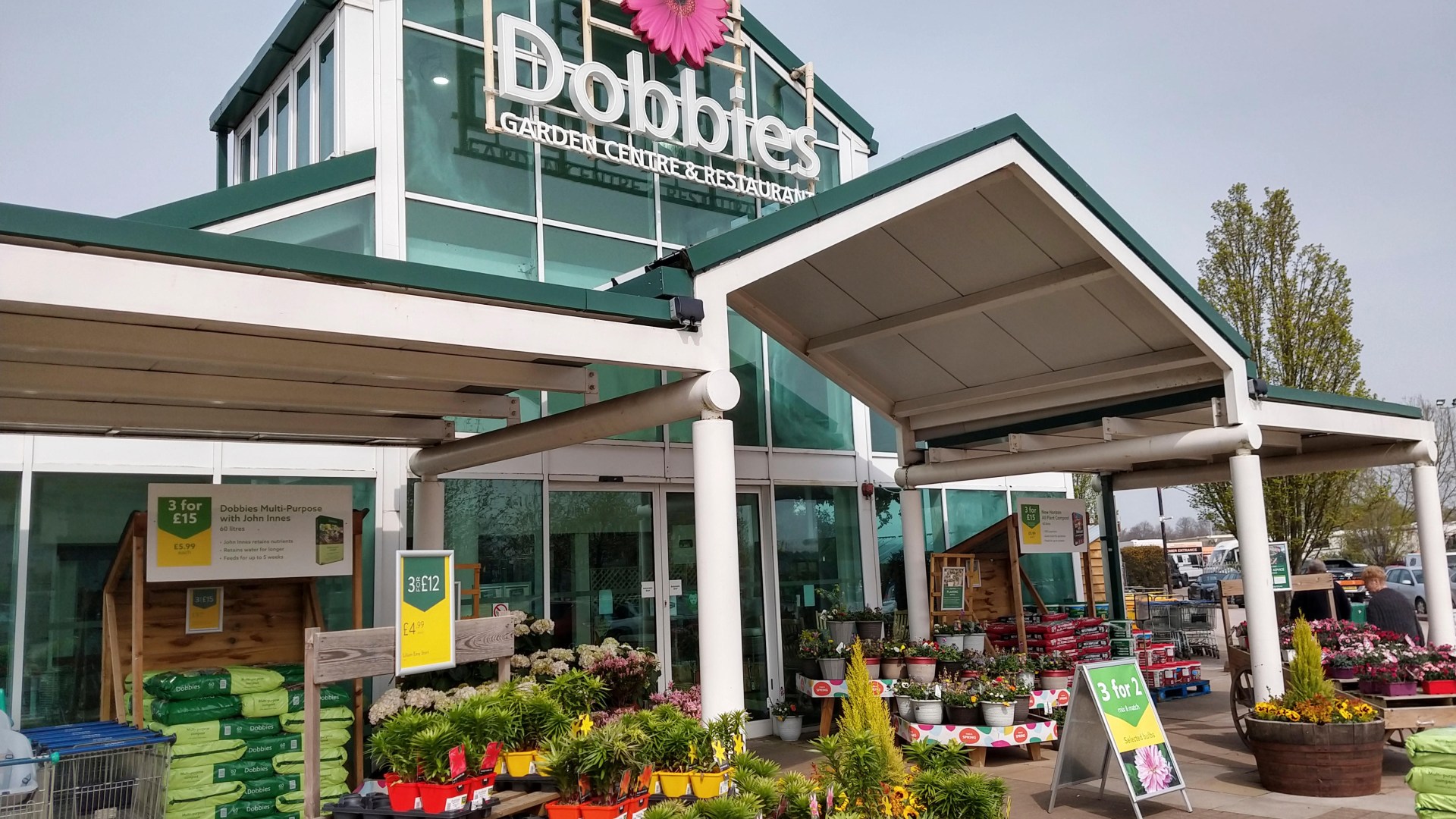
Dobbies Garden Centres, a major UK retailer, is undergoing a significant restructuring process, leading to the closure of several stores before Christmas 2023. This move comes as part of a larger effort to regain profitability and attract future investment in the face of challenging economic conditions. Closing down sales have commenced at the affected locations, offering substantial discounts on a wide range of products, including homeware, plants, garden equipment, toys, gifts, and Christmas decorations. Shoppers have reported discounts of up to 70% on certain items, creating a flurry of activity as bargain hunters seek to capitalize on the reduced prices. The closures follow a creditor vote approving Dobbies’ restructuring plan, highlighting the severity of the financial pressures facing the company.
Twelve stores in total are slated for closure as part of this restructuring. Three locations – Pennine, Gloucester, and King’s Lynn – have already ceased operations. Seven more are scheduled to close before Christmas, including Altrincham and Harlestone Heath on December 17th, Gosforth on December 19th, and Inverness, Reading, Stratford-upon-Avon, and Huntingdon all on December 23rd. Furthermore, two additional garden centres in Morpeth and Stapleton are planned for transfer to different operators, though their closure dates remain unconfirmed. Closing down sales are underway at these locations as well. This wave of closures follows the shutdown of six smaller “Little Dobbies” locations in November, underscoring the extent of the company’s downsizing efforts. Despite these closures, Dobbies plans to maintain operations in approximately 60 stores across the UK.
The challenges faced by Dobbies are not unique to the company but reflect broader trends impacting the retail sector, particularly DIY and garden centres. The post-pandemic economic landscape, marked by high inflation and a cost-of-living crisis, has significantly squeezed consumer spending. While these businesses experienced a boom during pandemic lockdowns, as people invested in home improvements and gardening, the subsequent economic downturn has forced consumers to curtail discretionary spending. This shift in consumer behavior has placed considerable strain on retailers, leading to store closures and, in some cases, business failures.
The retail industry is grappling with a confluence of pressures. High energy costs, the shift towards online shopping, and reduced consumer spending power are all contributing factors to the sector’s struggles. The high street has witnessed numerous closures over the past year, and experts predict more to come. While the number of job losses in the sector decreased in 2023 compared to 2022, the Centre for Retail Research still reported over 10,000 store closures and nearly 120,000 job losses. This indicates a continuing trend of contraction and adaptation within the retail landscape. The “less bad” rather than good improvement highlights the fragility of the sector.
Several factors contribute to store closures. While some closures result from complete business failures, as seen with high-profile cases like Wilko in 2023, many closures are part of broader restructuring efforts aimed at cost reduction and adaptation to changing market conditions. The Centre for Retail Research indicates that most store closures are driven by such restructuring efforts, reflecting the industry’s attempts to navigate the challenging economic environment. However, the ongoing cost-of-living crisis, coupled with rising borrowing costs for businesses, suggests that further retail failures are likely.
The retail landscape is undergoing a period of significant transformation, driven by evolving consumer behaviour, economic pressures, and the ongoing impact of the pandemic. Businesses are being forced to adapt to these challenges, often through downsizing, restructuring, and in some cases, complete closure. The Dobbies store closures are a prime example of these trends, reflecting the wider challenges facing the retail sector in the current economic climate. The confluence of factors affecting the industry underscores the need for retailers to innovate and adapt to survive in the increasingly competitive and unpredictable market. These closures also highlight the broader economic challenges faced by consumers and businesses alike, as they navigate the cost-of-living crisis and an uncertain economic future.