


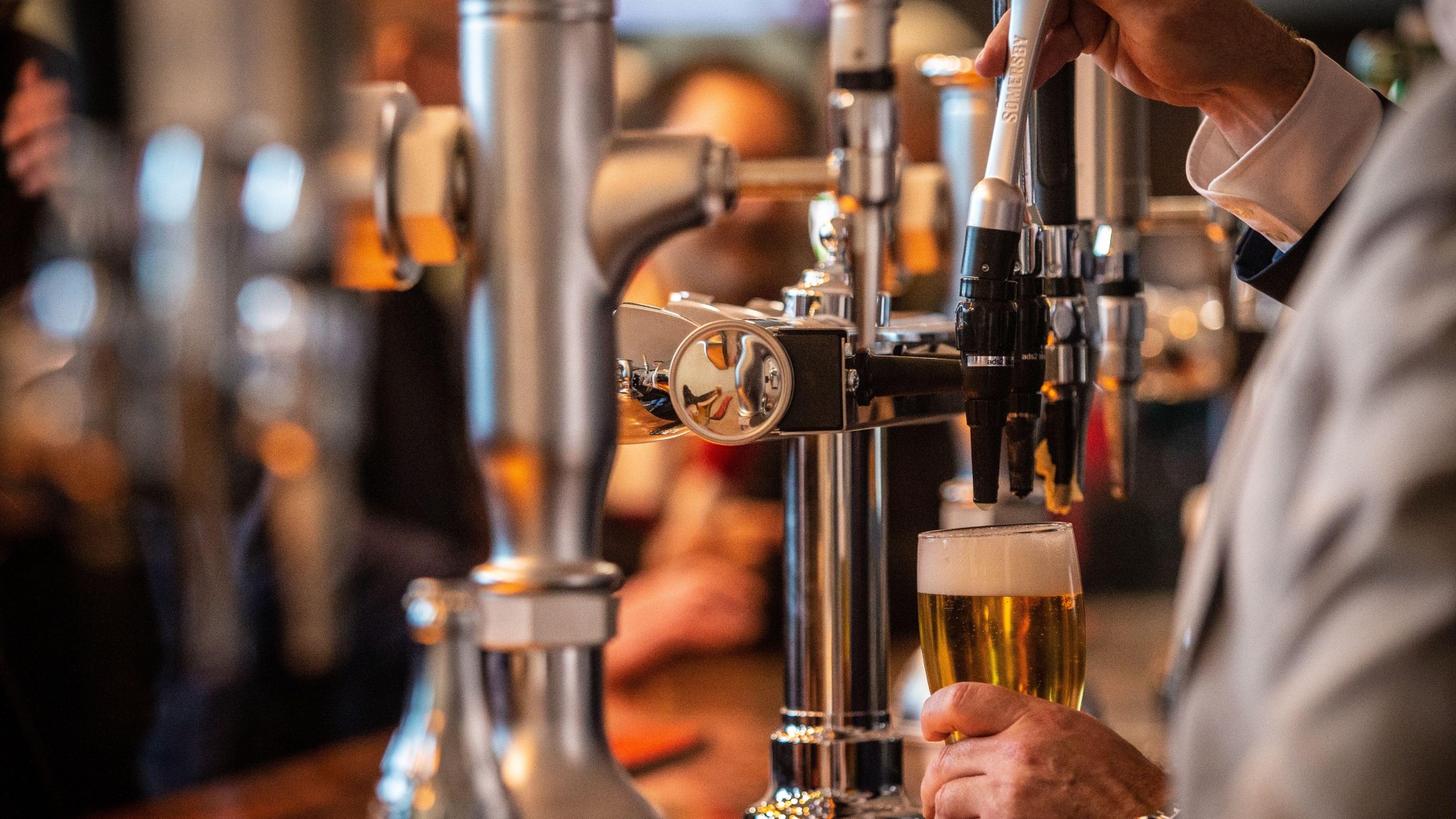
Marston’s, a prominent UK pub chain operating over 1,550 establishments, has announced price increases for draught beer, adding approximately 10 pence per pint. This move is attributed to rising operational costs stemming from the October 2024 budget, which introduced significant tax increases. While Marston’s reported a robust 65% rise in underlying pre-tax profits for the year ending September 2024, driven by strong sales and improved margins, the subsequent budget changes have compelled the company to adjust prices. The company emphasizes that this decision was not taken lightly and that they are committed to minimizing the impact on customers. This price hike reflects a wider trend across the hospitality and retail sectors, with numerous businesses bracing for increased costs due to the budget’s impact.
The October 2024 budget, presented by then Chancellor Rachel Reeves, contained provisions that significantly escalate employment costs for businesses. Key changes include an increase in National Insurance Contributions (NICs) and a rise in the National Living Wage. The NICs rate for employers was raised from 13.8% to 15%, with the threshold for payment lowered from £9,100 to £5,000 annually. This alteration alone is estimated to generate £25 billion in revenue, translating to roughly £800 per employee for each business. Concurrently, the National Living Wage is set to increase to £12.21 per hour, with an increase to £10 per hour for those aged 18-20. These combined cost increases have effectively negated the intended benefit of the 1.7% draught duty cut, also announced in the budget, which was projected to reduce the price of a pint by a penny.
The impact of these budget measures has reverberated across the hospitality sector, with several major players announcing impending price increases. Fuller’s CEO, Simon Emeny, indicated that beer prices at their establishments are likely to rise by 10 pence. Wetherspoon’s chairman, Tim Martin, echoed similar sentiments, acknowledging the pressure on hospitality businesses to adjust prices while striving to remain competitive. This trend extends beyond the pub sector, with retailers like Greggs, Mitchells & Butlers (owner of Toby Carvery), and several supermarkets (including Sainsbury’s, Tesco, and Asda) also forecasting price increases.
Numerous businesses, exceeding 70 in total, have formally expressed their concerns to Rachel Reeves in an open letter, highlighting the inevitability of price hikes due to the budget changes. These businesses, spanning various sectors, emphasize that the increased NICs and minimum wage will significantly impact their cost base, leaving them with little option but to pass on these costs to consumers. Halfords, for example, anticipates a £23 million increase in its wage bill, potentially necessitating price increases at its repair garages. Royal Mail has also indicated the possibility of further stamp price increases to offset the rising costs. AO World, an online electronics retailer, estimates an £8 million increase in wage costs, leading to potential price adjustments.
The cumulative effect of these cost increases raises concerns about inflationary pressures on the economy. As businesses grapple with higher operating expenses, they are compelled to adjust prices, potentially triggering a chain reaction that could further fuel inflation. While the draught duty cut was intended to provide relief for consumers, the increased employment costs have effectively neutralized this benefit. This situation underscores the complex interplay between government policy, business operations, and consumer spending. Businesses are navigating a challenging environment, seeking to balance cost management with maintaining competitive pricing.
Consumers, in turn, are likely to feel the pinch as prices rise across various goods and services. While businesses are committed to mitigating the impact on customers, the scale of the cost increases necessitates adjustments to maintain profitability. The long-term consequences of these changes remain to be seen, but it’s clear that the October 2024 budget has had a significant ripple effect across the UK economy. Businesses and consumers alike are adapting to a new landscape of increased costs and potential inflationary pressures. The interplay between government policy, business strategies, and consumer behavior will continue to shape the economic outlook in the coming months and years.