


The Demise of Mortens: A Microcosm of Struggles Facing Independent Retailers
After 87 years of serving the Ilkley community, Mortens hardware store is closing its doors at the end of 2024. The family-run business, which expanded from a small unit to a larger store offering a wide range of products from hardware to housewares and garden supplies, cited the challenging retail climate as the reason for its closure. The announcement was met with sadness and disappointment from loyal customers who expressed their dismay on social media, lamenting the loss of a local institution. Mortens’ story highlights the broader struggles faced by independent retailers across the UK in the current economic landscape.
The Perfect Storm: Factors Contributing to the Decline of Independent Retail
The British Independent Retailers Association (BIRA) has identified 2024 as a particularly challenging year for independent businesses. A confluence of factors has created a perfect storm, making it increasingly difficult for smaller retailers to compete. Declining consumer spending on non-food items, persistent footfall problems, and fragile consumer confidence have significantly impacted high streets nationwide. The rise of online shopping has further exacerbated these challenges, diverting customers away from brick-and-mortar stores.
Unequal Playing Field: Competition and Crime Add to the Burden
Independent retailers also face an increasingly competitive market, where larger chains can leverage their scale to offer deep discounts for extended periods, a strategy that smaller businesses often cannot afford to match. Furthermore, the rise in in-store crime adds another layer of difficulty. A BIRA survey revealed that 78% of independent businesses had been targeted by theft in the past year, with both the frequency and severity of incidents increasing. This adds financial strain and emotional stress to already struggling businesses.
A National Trend: Store Closures Across the UK High Street
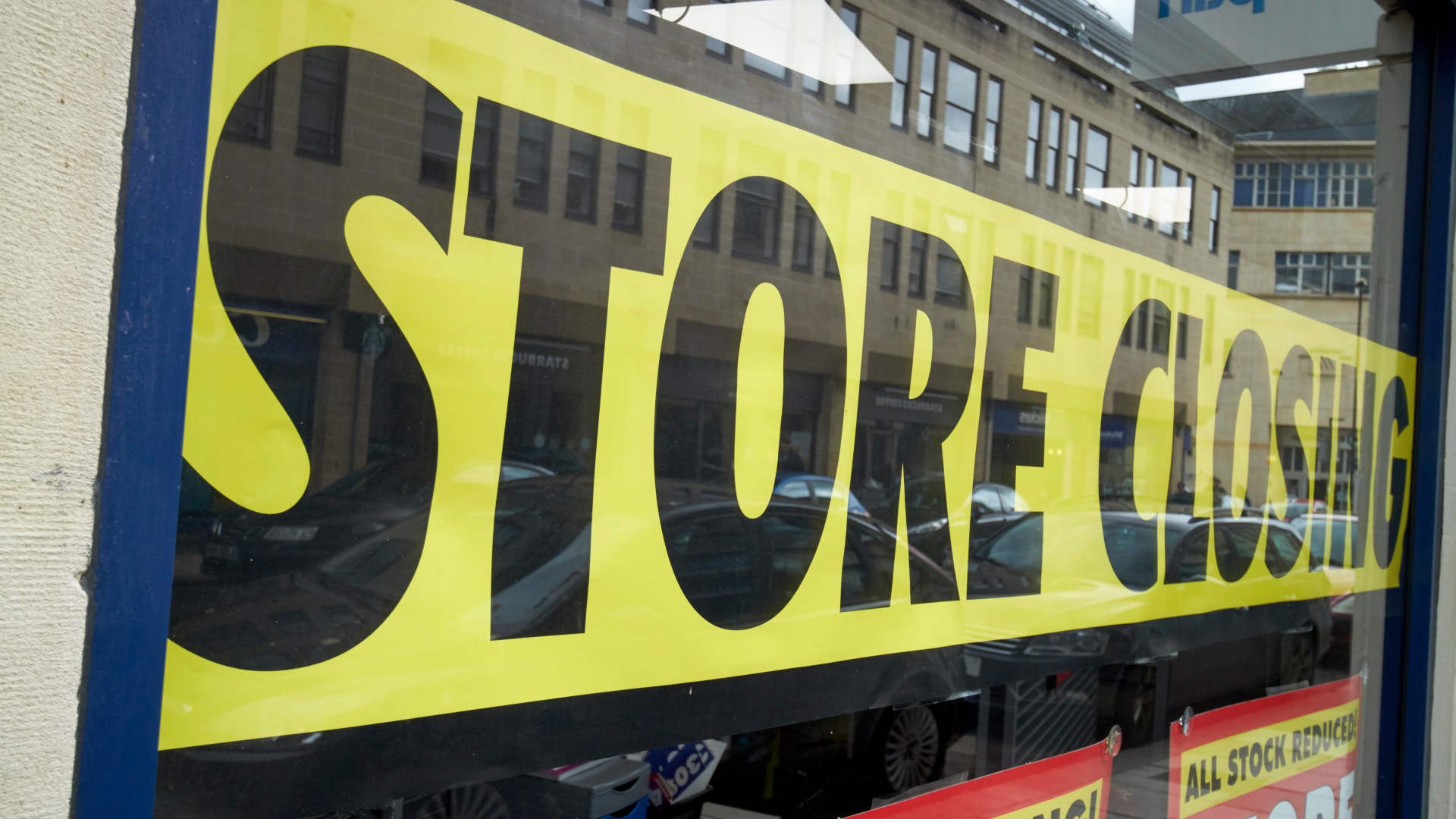
Mortens’ closure is not an isolated incident. Research indicates that 38 retail stores, leisure venues, or service outlets closed every day in the first half of 2024, an increase from the previous year. This trend is evident across the UK, impacting both small independent businesses and larger chains. Well-established names like Peter Jones in Wakefield and Dancers in Halesowen have also announced closures, highlighting the widespread nature of the problem. These closures contribute to a downward spiral, reducing footfall and putting other businesses at risk.
The Impact of Government Policies and Economic Uncertainty
The government’s Autumn Budget, which includes an increase in employer National Insurance contributions from 13.8% to 15%, has raised concerns within the retail sector. Businesses fear this hike will further squeeze their margins, potentially leading to job losses, reduced hiring, and further store closures as they seek to cut costs. The uncertainty surrounding Brexit and the global economic outlook adds to the challenges facing businesses, making long-term planning difficult.
The Changing Landscape of Retail: Online Shopping and Retail Parks
The rise of online shopping has fundamentally changed the retail landscape, with many consumers now preferring the convenience and wider selection offered online. This shift has significantly impacted high street footfall, making it harder for traditional brick-and-mortar stores to remain profitable. Furthermore, the increasing popularity of retail parks, offering free and convenient parking, presents another challenge for town centres. Retailers like Next and Marks & Spencer have strategically relocated stores from high streets to retail parks, seeking to capitalize on changing consumer preferences. This shift leaves high streets vulnerable to decline and further exacerbates the struggles faced by independent retailers.