


The Shifting Landscape of the UK High Street: A Case Study of TUI and Deichmann Closures
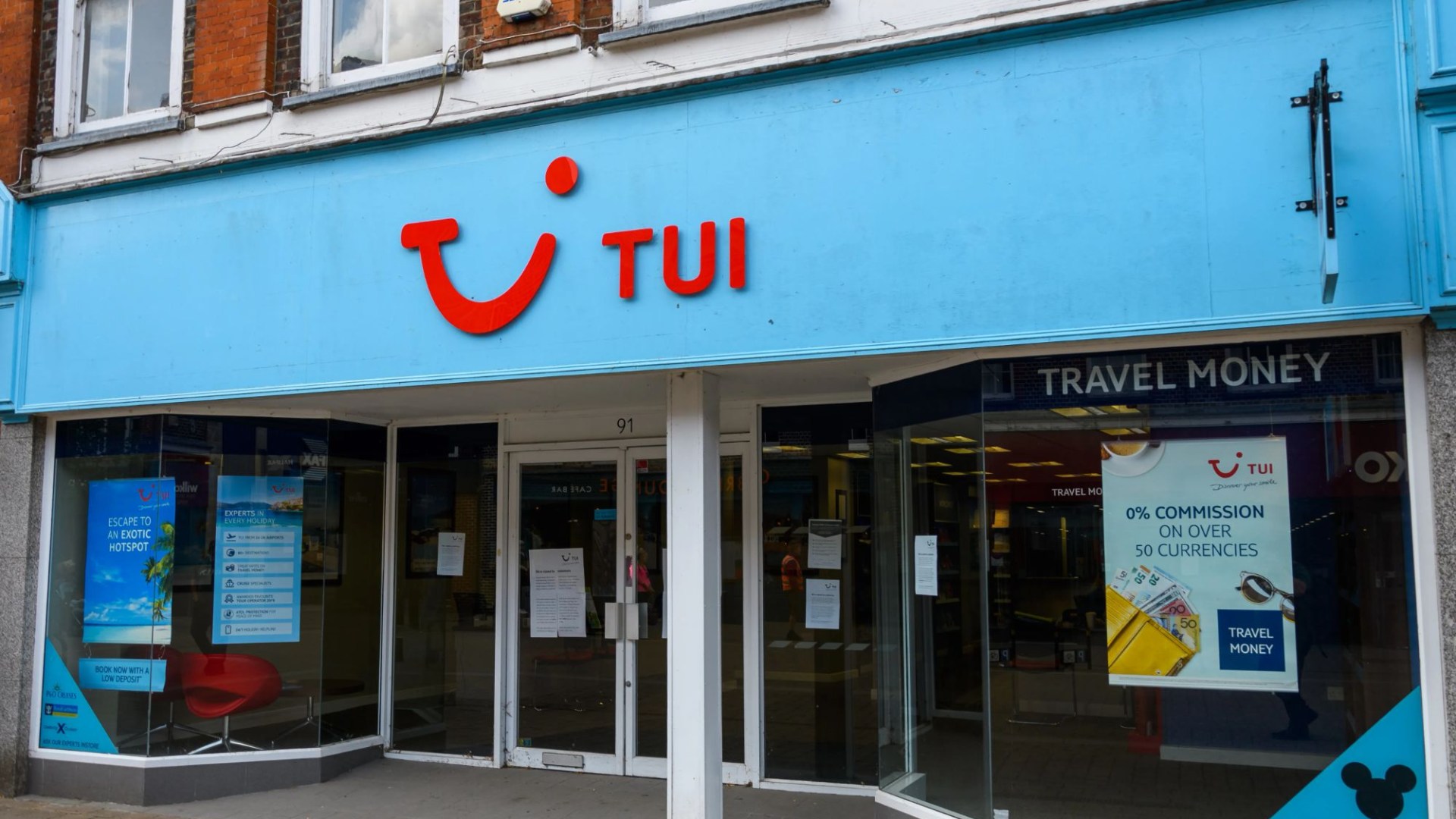
The UK high street is undergoing a significant transformation, with established retailers reevaluating their physical presence in response to evolving consumer behaviour and economic pressures. The recent closures of TUI and Deichmann stores serve as poignant examples of this ongoing shift. TUI, a major holiday shop chain, bid farewell to its Hanley Market Square branch after a 31-year tenure, while Deichmann, a prominent footwear retailer, shuttered its Newport location after 17 years. These closures underscore the challenges facing brick-and-mortar stores in the modern retail environment.
The closure of TUI’s Hanley branch, while lamented by loyal customers, represents a strategic relocation rather than a complete withdrawal from the area. The company emphasized its commitment to the region by highlighting the newly refurbished TUI Holiday Superstore in Festival Park. This move suggests a shift towards larger, more experiential retail spaces that can offer a wider range of services and cater to evolving customer expectations. While the fate of the Hanley staff remains unclear, the company assured customers that TUI branches in Leek and Newcastle-under-Lyme remain operational, offering alternative options for booking holidays. This strategic realignment reflects the company’s adaptation to the changing retail landscape.
Deichmann’s closure in Newport, however, paints a more somber picture for the Welsh city’s high street. The reasons behind the closure remain undisclosed, adding to the uncertainty surrounding the future of retail in the area. The loss of Deichmann, following other recent closures such as Geek Retreat, Brassingtons, and several stores within the Potteries shopping centre, highlights the cumulative impact of these departures on the local economy and job market. The concerns expressed by local residents about Newport becoming a "ghost town" reflect the anxieties surrounding the decline of the high street and the potential social and economic consequences.
While the closures of TUI and Deichmann exemplify the challenges confronting traditional retailers, the rise of supermarket fashion presents a contrasting narrative. Supermarkets such as Tesco, M&S, Asda, Sainsbury’s, and Morrisons have witnessed significant growth in their clothing lines, capitalizing on the demand for affordable, quality garments. This success can be attributed to several factors, including the convenience of one-stop shopping, competitive pricing, and a focus on classic, durable pieces. The ability of supermarkets to leverage their large-scale purchasing power enables them to offer lower prices and respond quickly to changing fashion trends.
The contrasting fortunes of established retailers and supermarket fashion lines underscore the dynamism of the UK retail sector. Traditional retailers are grappling with changing consumer preferences, the rise of online shopping, and increasing operating costs. Supermarkets, on the other hand, have successfully tapped into the demand for affordable, accessible fashion, becoming unexpected players in the clothing market. This evolving landscape necessitates adaptation and innovation from retailers seeking to thrive in the modern marketplace.
The future of the UK high street remains uncertain, with ongoing challenges and opportunities shaping its evolution. The closures of TUI and Deichmann highlight the difficulties faced by traditional retailers, while the success of supermarket fashion demonstrates the potential for growth in unexpected areas. As consumer behaviour continues to evolve and the retail landscape transforms, businesses must adapt and innovate to remain competitive and meet the changing demands of the market. The high street of tomorrow will likely be a blend of traditional stores, experiential retail spaces, and online platforms, with retailers constantly seeking the optimal balance to cater to an increasingly discerning consumer base.