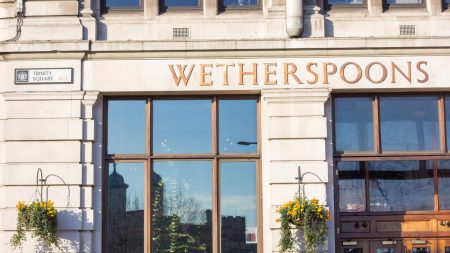



The Bedford, a city centre pub in Southampton operated by Stonegate, a major bar chain with 4,500 sites, is set to close its doors in January. This Grade II listed building, which has served as a pub since the 1800s, has been a popular venue for local students and sports enthusiasts, particularly for rugby and football matches. The news of its closure has sparked disappointment and nostalgia among locals, who have taken to social media to express their dismay and share memories of the establishment. The closure is particularly poignant given the recent exodus of other hospitality and retail businesses from the area, leaving residents concerned about the changing landscape of their city centre.
Stonegate, which does not own the building, is returning it to the landlord. The property is currently listed for sale for over £500,000, opening the possibility for another pub operator to take over or for a complete change of use. While the future of the building remains uncertain, Stonegate has confirmed that staff will be relocated to other nearby Stonegate venues, mitigating the impact of the closure on their employment. The company operates a diverse portfolio of bar chains, including well-known brands like Popworld and Slug and Lettuce.
This closure comes at a challenging time for the hospitality industry, with many businesses grappling with the rising cost of living and changing consumer spending habits. Following the pandemic, the sector has faced soaring energy bills and inflation, forcing many establishments to cut costs and even close branches. Stonegate itself faced financial difficulties earlier this year, raising concerns about its survival. However, the company secured a refinancing package over the summer, alleviating immediate pressures. Owned by TDR Capital, which also has a stake in Asda, and registered offshore in the Cayman Islands, Stonegate previously refinanced 1,000 of its pubs with Apollo last year to inject fresh capital.
The hospitality sector’s struggles are part of a broader trend impacting the retail landscape, with increasing numbers of shops closing down due to a combination of factors. The rise of online shopping has significantly diminished the profitability of brick-and-mortar stores, leading to declining sales and increased operational costs. The shift in consumer behaviour has also seen a rise in the popularity of retail parks, which offer convenient free parking, in contrast to town centres with often high parking charges. This has prompted many retailers, including prominent names like Next and Marks & Spencer, to relocate from high streets to larger stores in retail parks, seeking better performance and improved customer access.
The closure of prominent retail stores often has a ripple effect, leading to reduced foot traffic in town centres and putting other businesses at risk. This cyclical downturn further exacerbates the challenges faced by struggling high streets. The situation is further complicated by instances of retail chain bankruptcies, such as Wilko, Debenhams, Topshop, Dorothy Perkins, and Paperchase, which result in store closures and job losses. In many cases, when a chain goes bankrupt, the intellectual property rights are acquired by rival retailers or private equity firms. These entities often focus on online sales, potentially reopening a limited number of physical stores only if there’s sufficient customer demand. This shift further contributes to the changing landscape of retail and the decline of traditional high streets.
The challenges facing the hospitality and retail sectors reflect the wider economic pressures affecting businesses and consumers alike. The cost of living crisis, rising inflation, and changing consumer habits create a complex environment for businesses to navigate. The closure of The Bedford in Southampton, while a specific instance, serves as a microcosm of these broader trends. Its closure not only impacts local residents but also highlights the struggles faced by the hospitality industry and the ongoing transformation of the retail landscape. The future of the building and the wider area will depend on how businesses adapt to these challenges and how local authorities and communities respond to the changing needs of their city centres.