



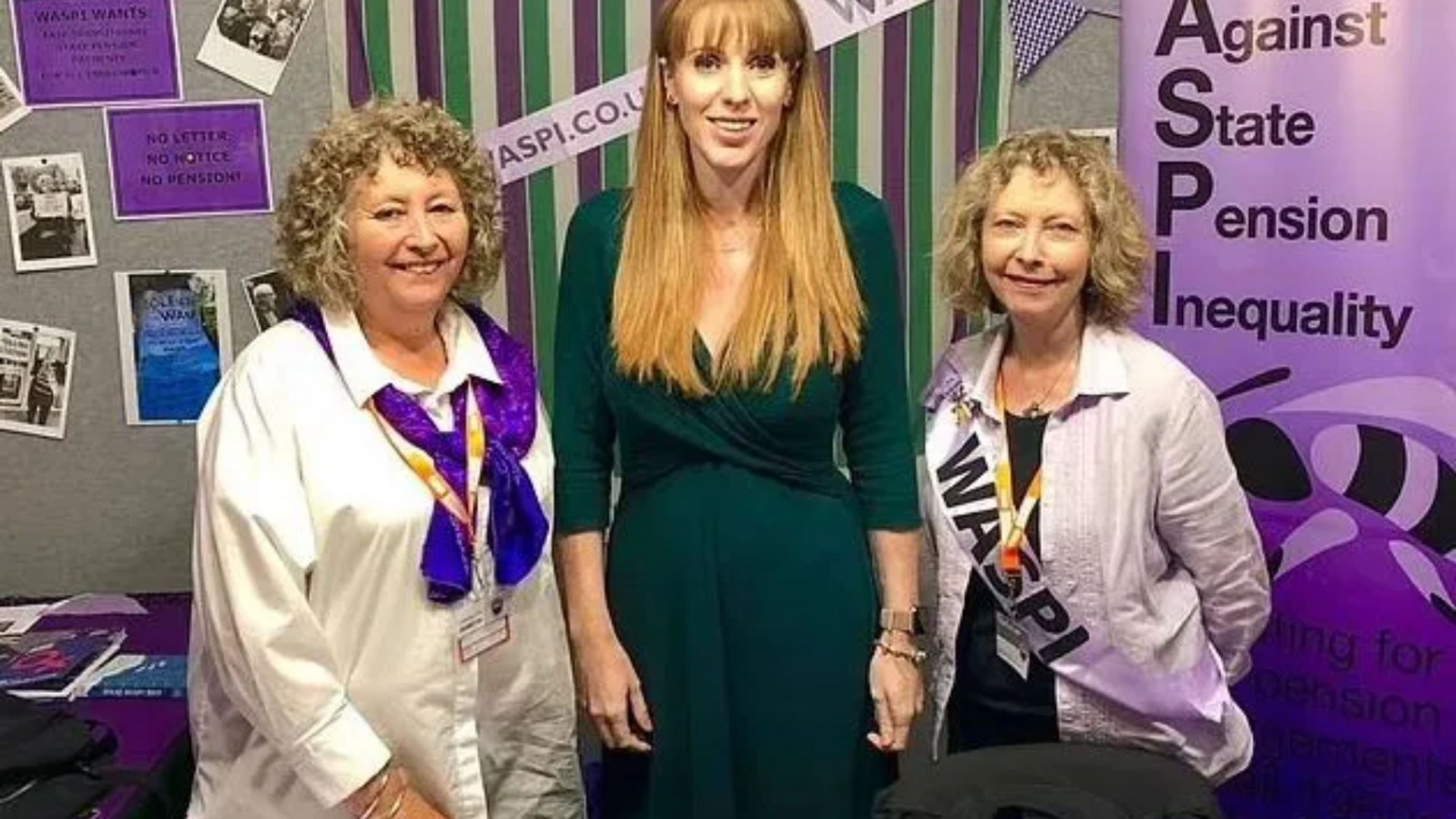
The political landscape is embroiled in controversy surrounding the state pension age changes affecting women born between 1950 and 1960, known as WASPIs (Women Against State Pension Inequality). Labour MPs have accused the current government of betraying these women by reneging on a previous commitment to compensate them for the financial hardships caused by the reforms. The reforms, which raised the state pension age from 60 to 65, were implemented in 1995, and while the Parliamentary Ombudsman recommended compensation of up to £2,950 per woman due to inadequate communication of the changes, the government has balked at the estimated £10.5 billion total cost. This refusal has sparked outrage and accusations of broken promises, particularly as key Labour figures, including Prime Minister Keir Starmer, Deputy Prime Minister Angela Rayner, and Chancellor Rachel Reeves, had publicly supported the WASPI campaign in the past.
The heart of the matter lies in the perceived injustice faced by these women, who argue that the changes were implemented without sufficient notice, disrupting their retirement plans and forcing many into financial hardship. They contend that they were not given enough time to adjust to the increased retirement age, leading to unemployment, reliance on zero-hours contracts, and a loss of financial independence. The WASPI campaign, launched in 2015, has consistently advocated for fair and fast compensation, highlighting the detrimental impact of the reforms on their lives. While the campaign acknowledges the principle of equal retirement ages for men and women, their grievance stems from the manner in which the changes were implemented, leaving them feeling betrayed and disregarded.
The government’s justification for refusing compensation centers on the argument that the majority of affected women were aware of the impending changes and that the substantial financial burden on taxpayers would be unsustainable. Prime Minister Starmer maintains that most women had sufficient notice, and the country cannot afford the hefty payout. This stance has been met with fierce criticism from Labour MPs, who accuse the government of playing politics with the WASPIs’ plight. They point to previous statements and pledges made by Labour leaders, highlighting the stark contrast between their past support for compensation and their current refusal. This perceived U-turn has further fueled the sense of betrayal felt by the WASPI women.
The political fallout from this issue is significant, as the government’s decision not to compensate the WASPIs has opened it up to accusations of hypocrisy and broken promises. The Sun newspaper, for example, condemns Labour for giving false hope to the WASPI women, accusing them of cynical bandwagon-jumping while in opposition. While acknowledging the financial constraints, the newspaper criticizes Labour’s previous enthusiastic support for compensation, contrasting it with their current stance. This perceived betrayal is likely to damage public trust in the government and could have long-term political ramifications. The WASPI issue has become a symbol of the perceived disconnect between political rhetoric and action, raising questions about the integrity and trustworthiness of political leaders.
The WASPI campaign represents the struggles faced by a generation of women caught in the crosshairs of pension reforms. Born between 1950 and 1960, these women were subject to a change in the state pension age from 60 to 65, a shift that significantly impacted their retirement plans and financial security. The campaign emphasizes that their grievance is not with the principle of equalizing the state pension age but with the inadequate notice and lack of support provided during the transition. They argue that the abrupt change left them with little time to adjust, forcing many into unforeseen financial difficulties.
The WASPI campaign has become a powerful voice for women’s rights and economic justice. It underscores the importance of considering the social and economic impact of policy changes, particularly on vulnerable populations. The campaign’s ongoing fight for fair compensation highlights the need for transparency and accountability in government decision-making, and the importance of honoring commitments made to citizens. The WASPI issue serves as a stark reminder of the human cost of policy changes and the need for a compassionate and equitable approach to addressing the challenges faced by those affected.