


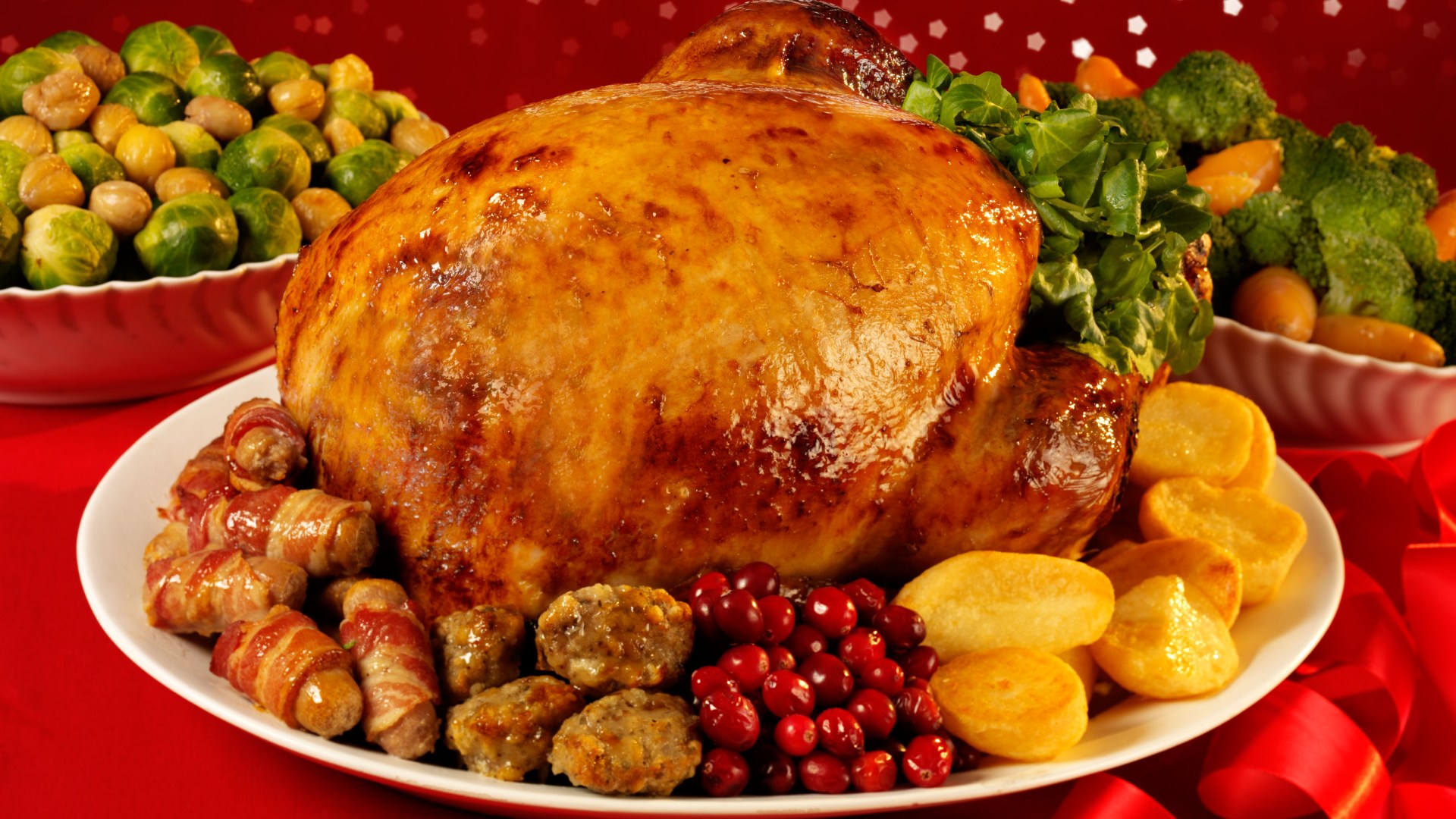
The festive season, a time of joy and celebration, is unfortunately also a time of increasing financial strain for many families. This year, the cost of a traditional Christmas dinner for a family of four has surged by a notable 6.5%, outpacing general inflation and reaching an average of £32.57. This rise is attributed to the escalating prices of essential festive ingredients, impacting the affordability of this cherished holiday meal.
The most significant price hike among Christmas dinner staples is observed in potatoes, experiencing a substantial 16.2% increase compared to last year. This translates to potatoes now accounting for £1.65 of the total Christmas dinner cost. Other vegetables have also seen considerable price increases. Cauliflower has risen by 14.6% to £1.18, parsnips by 12.7% to 71p, and carrots by 11.4% to 49p. These increases reflect broader trends in the vegetable market, largely influenced by adverse weather conditions earlier in the year, which impacted crop yields and subsequently drove up prices.
The centerpiece of the Christmas feast, the turkey, has also seen a significant price jump. The average cost of a frozen turkey has increased by 8.5%, reaching £13.08. This increase is a reflection of multiple factors, including increased feed costs for poultry farmers and the overall rise in production and transportation expenses. While turkey remains a Christmas tradition for many, its rising cost may lead some families to consider alternative, more budget-friendly protein options for their festive meal.
Not all Christmas dinner components have experienced such dramatic price increases. Some items have seen more moderate rises, offering a slight reprieve for shoppers. Christmas puddings, for instance, have increased by a comparatively modest 4.4% to £3.32, while gravy granules have seen a similar rise to £2.14. Brussels sprouts, a staple often met with mixed reactions, have only increased by 1.1%, reaching 89p. Furthermore, sparkling wine, a popular celebratory drink, has maintained its price at an average of £6.40, offering a glimmer of good news for those looking to toast the festive season.
The rising cost of Christmas dinner is primarily attributed to a combination of factors. Adverse weather conditions earlier in the year significantly impacted vegetable harvests, leading to reduced supply and increased prices. Furthermore, the ongoing energy crisis has played a crucial role, particularly affecting potato farmers who rely on refrigeration to store their crops post-harvest. Increased energy costs have added to the overall production expenses, ultimately contributing to higher prices for consumers.
Despite the rising costs, consumers are expected to continue their Christmas shopping traditions, albeit with a greater emphasis on finding deals and bargains. Supermarkets are anticipating a record-breaking £13 billion in sales over the festive period, as shoppers seek out promotions and discounts to manage their holiday spending. The busiest shopping day is predicted to be Monday, December 23rd, as last-minute shoppers rush to complete their Christmas preparations. However, data suggests that many consumers have already started stocking up on festive essentials, with sales of biscuits and Christmas puddings showing significant increases in the preceding weeks. This early shopping behavior indicates a growing awareness of potential price increases and a desire to secure desired items before they become more expensive or sell out closer to the holiday. This proactive approach to Christmas shopping allows consumers to spread out their expenses and potentially take advantage of early bird deals and promotions.