


The widespread adoption of smart meters, intended to revolutionize energy consumption monitoring and billing, has fallen short of expectations due to a significant proportion of these devices malfunctioning and entering “dumb mode.” This malfunction renders them incapable of automatically transmitting readings to energy suppliers, thereby negating their primary purpose of providing real-time energy usage data to consumers and facilitating accurate billing. Ofgem, the industry regulator, has revealed that roughly one in ten of the 36 million installed smart meters are operating in this incapacitated state. This technological failure not only deprives consumers of the potential cost savings associated with informed energy usage but also creates a breeding ground for billing inaccuracies and customer frustration.
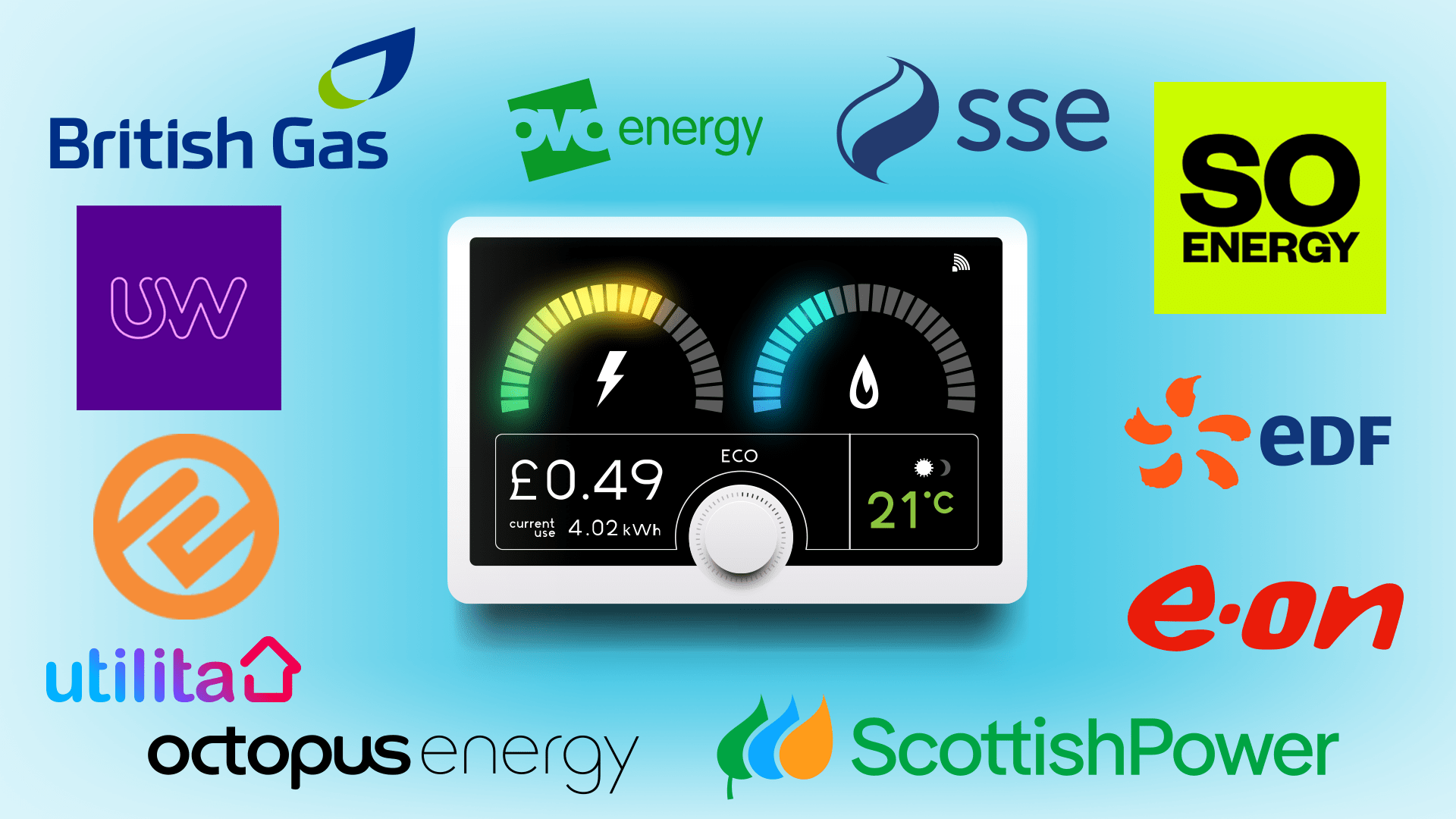
The prevalence of this issue varies across different energy suppliers. British Gas leads the pack with the highest percentage of disconnected smart meters at 16.3%, closely followed by Scottish Power at 14.5%. EDF and Utility Warehouse also grapple with significant proportions of non-functional smart meters, at 12.1% and 11.5% respectively. In contrast, E, Ovo, and Utilita exhibit considerably lower rates of malfunctioning smart meters, suggesting that the issue is not solely inherent to the technology itself but also influenced by supplier-specific factors. The fact that millions of households have reported these issues to their suppliers, with a substantial portion waiting over six months for resolution, underscores the urgency of addressing this widespread problem.
This dysfunctional state undermines the fundamental promise of smart meters, which is to empower consumers with real-time insights into their energy consumption, enabling them to make informed decisions about their usage and potentially reduce their energy bills. The failure of these devices also impacts energy suppliers, who are forced to resort to estimated billing in the absence of accurate data, potentially leading to overcharging or undercharging and further exacerbating customer dissatisfaction. The situation calls for immediate action from energy suppliers and industry regulators to rectify the technical issues plaguing these devices and restore consumer confidence in the smart meter program.
The problems extend beyond mere connectivity failures. Citizens Advice reports that a significant number of customers experiencing inaccurate bills have smart meters, often requiring them to submit manual readings, effectively negating the automated aspect of the technology. This situation not only creates inconvenience for consumers but also raises concerns about the accuracy and reliability of the billing process. The advice service has urged Ofgem to strengthen consumer protections, including limiting the back-billing period for smart meter customers to six months, incentivizing suppliers to resolve issues promptly and ensure accurate billing practices.
Several factors contribute to the malfunctioning of smart meters. Older, first-generation meters are more susceptible to failure due to outdated technology and incompatibility with newer systems. Switching energy suppliers can also disrupt the functionality of some older meters, requiring manual readings. In newer models, environmental factors or the meter’s location can interfere with its ability to connect to the Wider Area Network, hindering data transmission. The diversity of these causes necessitates a multifaceted approach to resolving the issue, encompassing both technological upgrades and improved communication between suppliers and customers.
Consumers suspecting a malfunctioning smart meter should check their energy statements for readings marked as “estimated” rather than “smart.” They can also adjust their meter settings to send readings more frequently, enhancing billing accuracy. If connectivity issues persist, contacting the energy supplier is essential. Suppliers are obligated to ensure proper smart meter functionality and offer free repairs or replacements for faulty monitors within the first year. Beyond this period, repair costs may apply. In cases of malfunction following a supplier switch, contacting the new supplier is crucial to investigate and resolve the issue. Submitting manual readings can prevent billing inaccuracies during this process. Various forms of financial assistance are available for consumers struggling with energy bills, including repayment plans, supplier-specific grants, and the Priority Services Register, which offers additional support for vulnerable households. It is advisable to explore these options and seek guidance from relevant organizations if needed.