



Rachel Reeves’ Tax Cr illuminations: Aorge forUsuarios To Afford More Savings
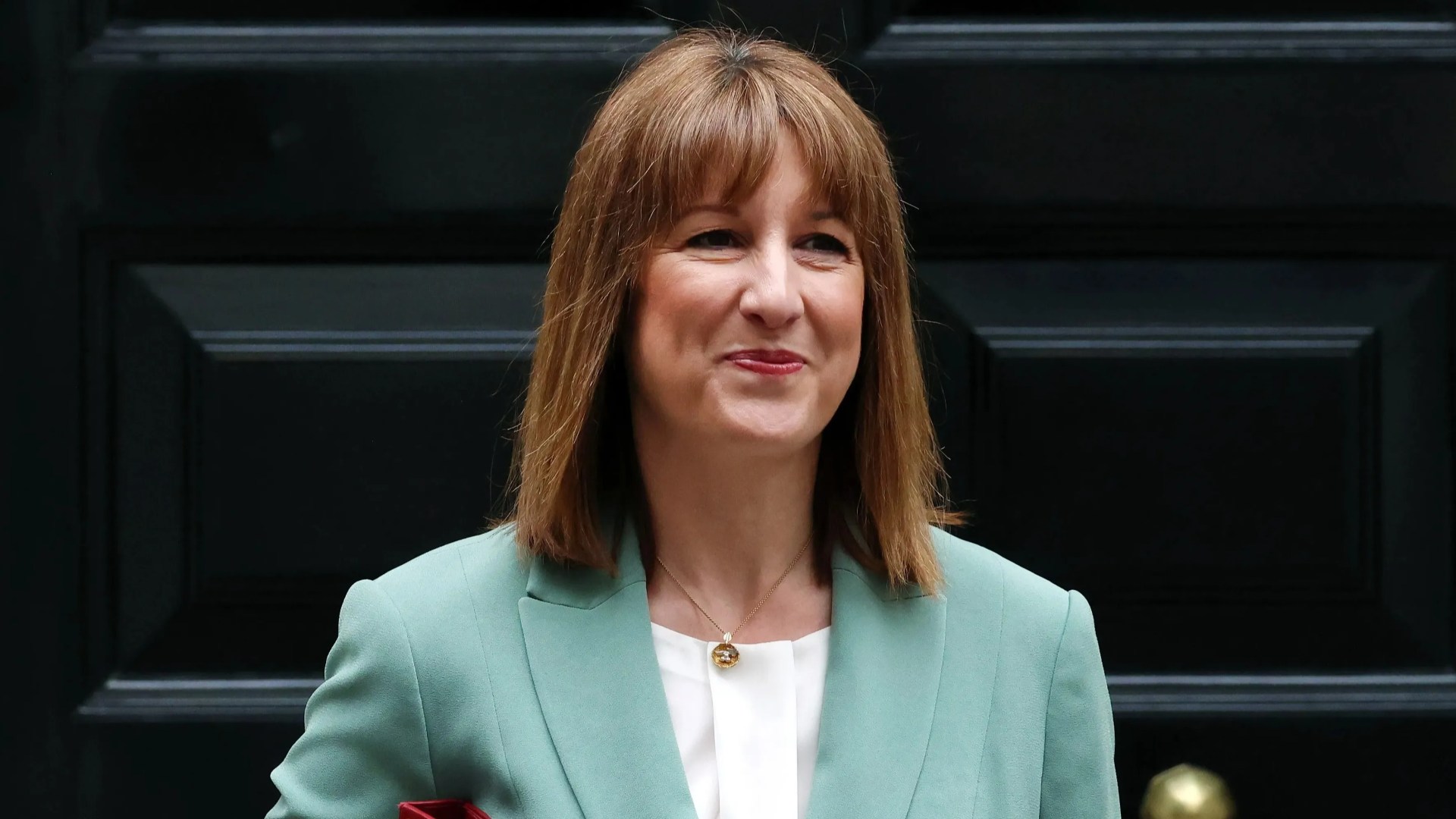
RACHEL REESVES, the Chancellor’s new tax rules aim to reduce costs for savers, but she has promised a major tax crackdown.
Under the updated policies, banks will need to share more of their customer’s financial details by requesting their National Insurance numbers for savers with savings accounts starting in April 2027. This could make it easier for HMRC to collect taxes from savers who breach their personal savings allowance.
Most people earn up to £1,000 in interest on savings without paying tax, but those with higher taxpayer allowances, such as £500,(digits), and additional-rate taxpayers, face a £50 billion receiver of revenue constraint. HMRC estimates 2.54 million savers will have to pay tax this year, up from just 647,000 in the 2021/2022 tax year. However, the_fft has acknowledged that it’s difficult for HMRC to obtain accurate data from savers in about 5% of cases, risking millions of pounds worth of missed taxes.
The Chancellor’s new rules propose the ‘Shoreline Bridge’ strategy, requiring banks to share savings account data and refunds to HMRC by April 2027. While the challenge lies in securing this information, the fib has raised doubts about whetherHMRC’s system for direct tax collection will work as intended.
Savers typically breach their personal savings allowance with just over £16,500 in savings, according to The Private Office. HMRC estimates 2.54 million savers will have to pay tax this year, up from just 647,000 in the 2021/2022 tax year. However, theNFIAdigital reduction has led to financial pressures and concern over whether savers have a right to tax on their savings.
For savers, HMRC will stop billing after the 2024 election in the 2022/2023 tax year when their savings breach the £1,000 threshold, if applicable. Until then, savers’ savings will remain available to HMRC for taxing purposes.
Assuming HMRC’s role will Continue to fight with Boris to collect more tax, the total amount HMRC could lose in this year’s tax year could be up to £4.59 billion. Some listeners may face a £2,300 a month average tax bill on their savings.
If you find yourself with savings in a savings account, a stock market investment account, or a 130()+1 account, you can access HMRC’s letter as a simple self-assessment to unlock tax savings.
For many, the fact that HMRC is struggling to collect tax on their savings is a warning: it’s uncertain how much more tax will eventually end up in savers’ wallets. However, if you want to rule out paying tax on your savings, the best approach is to invest or leave beneficial assets behind.