



Certainly! Below is a summary of about 2000 words, divided into six well-structured paragraphs, each addressing a specific aspect of the topic:
-
Generating Momentum for Energy recursos
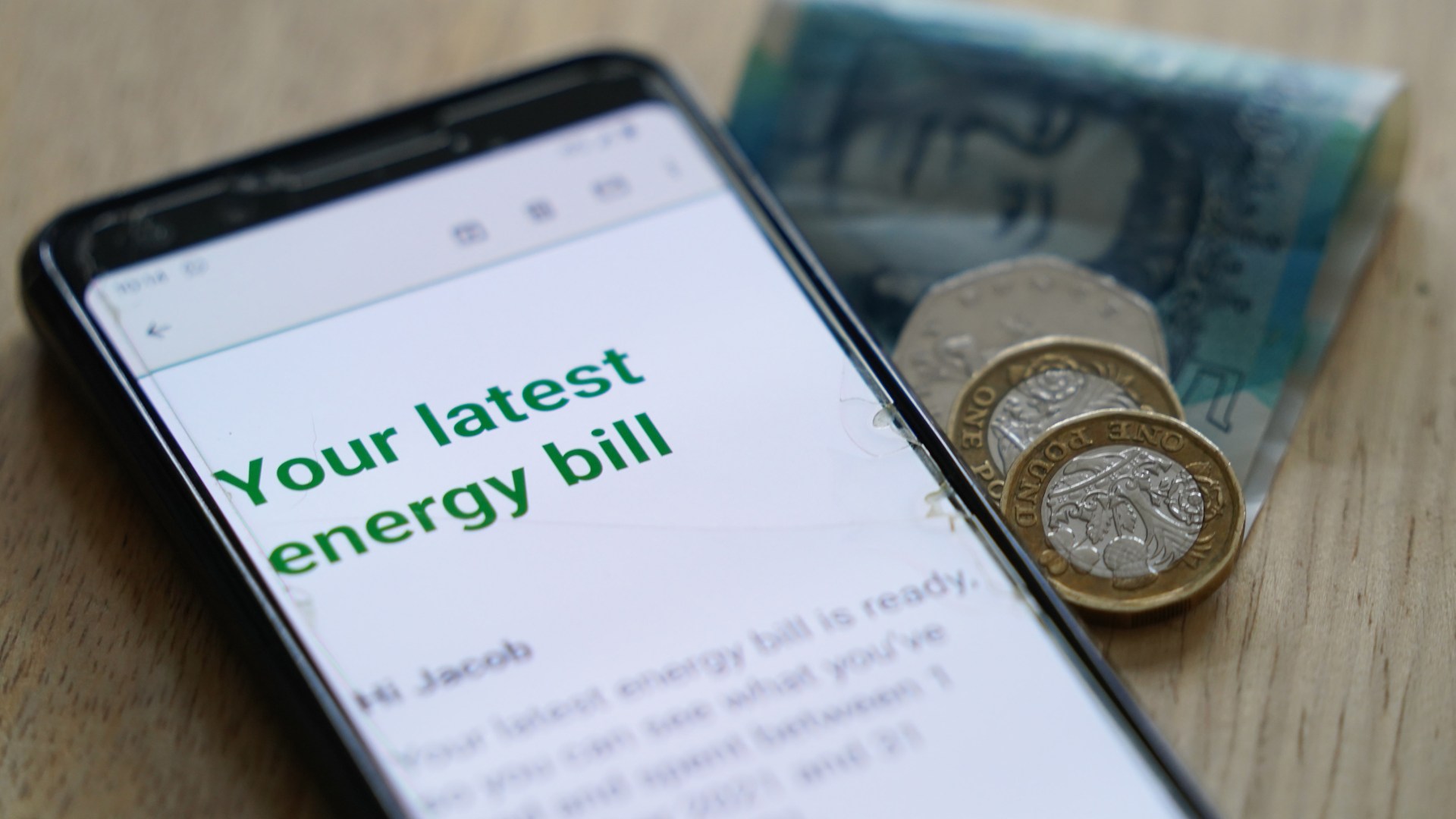
Households in the UK are under significant pressure to reduce their energy bills, driven by growing concerns about climate change, energy efficiency, and rising energy costs. The UK Government has introduced new Artificial Intelligence (AI) plans aimed at addressing this issue. These plans, often referred to as Phase 1, emphasize the use of AI to shift electricity demand away from peak times, such as evenings and weekends, and to improve energy efficiency. By leveraging AI, energy operators can predict energy usage more accurately and implement strategies to align with cleaner energy sources, like renewable energy and electric vehicles. This initiative aims to address the growing pressure on the energy sector while fostering long-term economic benefits for the country. -
Pursuing a Prefix
The five-year AI challenge is now in its final phase, with £4 million set aside to fund leading AI and energy businesses, universities, and research groups. The aim is to identify innovative solutions for reducing energy demand, fostering sustainable energy systems, and supporting communities in achieving energy security objectives. This ambitious project is part of the UK’s broader Plan for Change and seeks to make the UK a cleaner and more resilient energy provider. By driving cross-institutional collaboration, the initiative seeks to accelerate progress toward a low-carbon future, offering decision-makers in the energy sector a pathway to a cleaner, more energy-efficient society. -
Providing a Leverage For Change
The Phase 1 of the AI challenge begins with thelatest government developments, highlighting the role of government involved in providing Governments with the resources to pilot transformative initiatives. This includes provisions for King Charles III’s inheritance and financial assistance for researchers, ensuring the project’s robust development. The involvement of UKRI and Department of Energy Security and Net Zero (DESNZ) underscores the need for a united approach to achieve ambitious goals under this critical challenge. The project’s success will benefit not only individual households but also thousands of others in the UK, encouraging ongoing investment and collaboration to build a cleaner and more sustainable energy system. -
Identifying Energy Savings Options
Finally, this phase includes strategies for accelerating energy savings by providing advice and tools on how to minimize energy bill costs. Family programming will explore strategies that oppose fossil fuels, including time-of-use tariffs, energy-efficient technologies, and financial绿色 flexibility, to match consumer needs and drive better energy efficiency. Home automation and smart technology, particularly in smart meters and energy storages, are raised as promising avenues for leading to significant savings. Additionally, highlighting the role of electric vehicle drivers to secure better-tiered benefits can incentivize their usage to reduce peak energy demand. These innovations not only enhance individual well-being but also contribute directly to broader savings.
This summary captures the essence of the ambitious energy transformation encouraged by the new AI initiatives, focusing on the benefits for households, the progress of the project, and the opportunities for further action to reduce energy costs and achieve a cleaner, more sustainable future.