


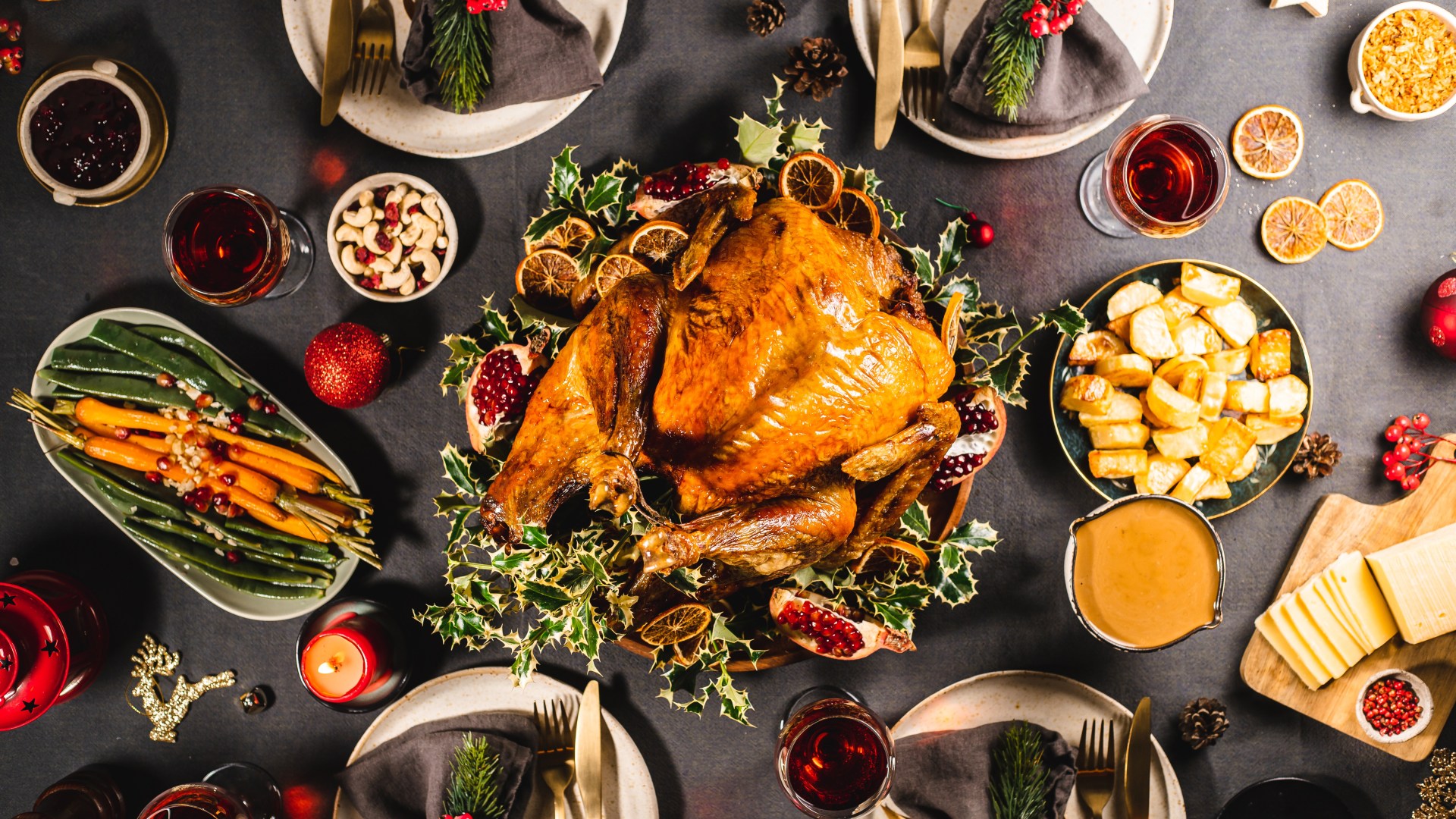
The festive season brings joy and delicious meals, but improper disposal of cooking leftovers, especially fats, oils, and greases (FOG), can lead to plumbing nightmares. Millions of us indulge in traditional roasts, yet many unknowingly contribute to the millions of litres of FOG that clog sewer systems annually. These blockages, often exacerbated by other non-flushable items like wet wipes and sanitary products, result in costly repairs, environmental damage, and unpleasant overflows. One water company alone reported clearing nine million litres of FOG and over 28,000 blockages last year – a stark reminder of the widespread issue. Preventing these issues requires a simple shift in habits: mindful disposal of cooking fats and refraining from flushing anything other than the “three Ps” – pee, poo, and paper.
The problem begins in the kitchen sink. Poured down the drain, hot cooking fats and oils seem to disappear easily. However, as they cool, they solidify, clinging to pipe walls and gradually accumulating into stubborn blockages. This can lead to slow drainage, unpleasant odours, and eventually, complete blockage, causing backups into sinks and toilets. The issue extends beyond individual homes, impacting the wider sewer network. When FOG combines with other improperly disposed of items like wet wipes, sanitary products, and paper towels, they create “fatbergs” – large, congealed masses that obstruct sewer pipes and necessitate costly removal operations by water companies. These fatbergs not only disrupt service but also contribute to environmental pollution.
While water companies bear the responsibility for clearing sewer blockages, homeowners are accountable for maintaining the drainage system within their property boundaries. Calling in a plumber to address a blocked drain can be an expensive affair, with average call-out charges starting at £60 and rising to £180 for emergencies. Further costs are incurred depending on the unblocking method employed, with rodding averaging £85 and jetting costing around £185. DIY solutions, such as using a plunger or coat hanger, can save money, but prevention remains the most cost-effective approach. Adopting simple practices, like wiping greasy plates with kitchen roll before washing and disposing of the used tissue in the bin, can significantly reduce the amount of FOG entering the drainage system.
Proper disposal of cooking fats is key to preventing blockages. Instead of pouring them down the sink, collect used cooking oil, fat, and grease in a sealed container, such as an old jam jar or margarine tub. Once cooled, the container can be disposed of in the bin. This simple step drastically reduces the risk of FOG-related blockages. Furthermore, using a sink strainer can prevent larger food particles from entering the drain and contributing to the problem. Being mindful of what goes down the drain can save homeowners from the inconvenience and expense of dealing with blocked pipes.
Beyond the kitchen, responsible bathroom practices are equally crucial. The mantra of “flush only the three Ps” is a vital reminder to keep non-flushable items out of the toilet. Wet wipes, sanitary towels, tampons, nappies, and other hygiene products should always be disposed of in a designated bin, even if they are labelled as “flushable.” These items often fail to break down properly in the sewer system, contributing to blockages and environmental problems. Maintaining a bin in the bathroom encourages proper disposal and prevents these items from ending up in the toilet.
By adopting these simple yet effective practices, homeowners can play a significant role in preventing plumbing problems and protecting the environment. Mindful disposal of cooking fats and adhering to the “three Ps” rule are small changes that can have a big impact. Preventing blockages not only saves homeowners money and inconvenience but also contributes to a healthier and more efficient wastewater system. So, this festive season, enjoy your meals and celebrate responsibly by remembering the simple steps that can prevent plumbing woes.