



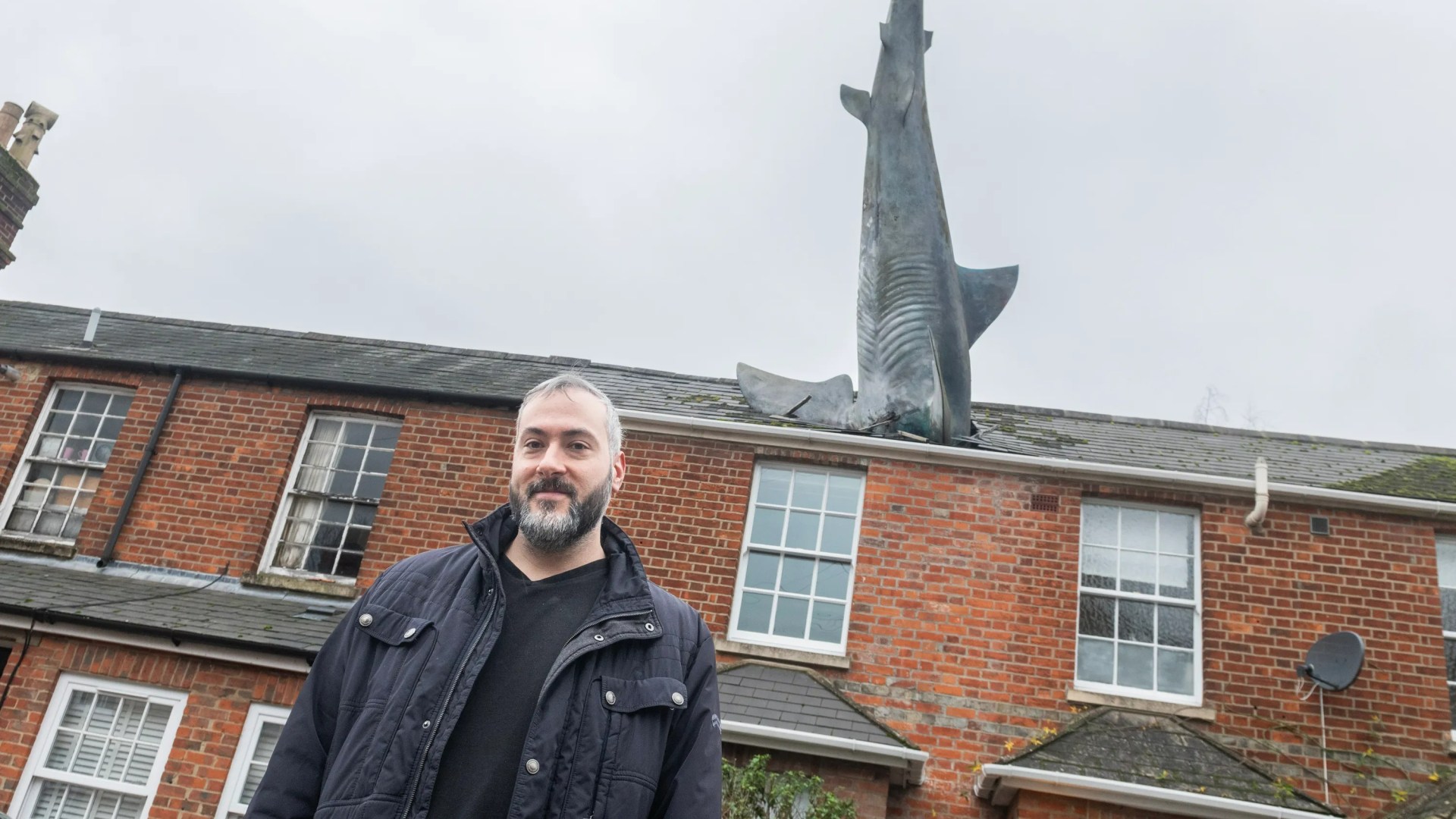
The "Shark House" Saga: A Clash of Art, Housing, and Local Politics
The Oxford "Shark House," a unique property featuring a 25-foot fiberglass great white shark seemingly crashing through the roof, has been a source of both local intrigue and controversy for decades. Originally installed in 1986 by journalist Bill Heine as a protest against nuclear proliferation and the US bombing of Libya, the shark has become a beloved landmark, drawing tourists and locals alike. Following Heine’s passing, his son, Magnus Hanson-Heine, inherited the property and began utilizing it for short-term rentals through platforms like Airbnb. This decision ignited a conflict with the Oxford City Council, ultimately leading to a legal battle over the property’s usage and a forced cessation of short-term lets.
Hanson-Heine’s decision to list the property on the rental market stems directly from the council’s order to discontinue short-term rentals. After receiving a complaint regarding increased traffic due to the Airbnb activity, the council initiated action against Hanson-Heine. Despite appealing the decision, Hanson-Heine lost the case with the planning inspectorate, leaving him with a deadline of March 11th of the following year to cease short-term rentals. In response, he listed the property for long-term rent at a notably high price of £6,000 per month. He argues that he is being unfairly targeted by the council, pointing to a wider issue of holiday homes in Oxford and accusing the council of using his property as a symbolic gesture to address the city’s housing shortage.
The "Shark House" carries a significant legacy. Bill Heine’s deliberate decision to install the shark without planning permission was itself a form of protest against bureaucratic processes. He viewed the shark as a powerful statement against war and nuclear weapons, its dramatic imagery evoking the destructive power of a bomb exploding into a home. Hanson-Heine believes the council’s actions against him may be partially motivated by resentment towards his father’s defiance. He expresses a desire to preserve the house and its unique character, including the numerous plants cultivated by his father, and laments the restrictions imposed upon him.
The local community holds diverse views on the "Shark House." While most residents, like university lecturer Peta Fowler, appreciate the shark’s whimsical presence and the joy it brings to visitors and locals alike, the council’s concern stems from a perceived imbalance in housing availability. Fowler highlights the shark’s popularity, noting the constant stream of visitors taking photos and the incorporation of the shark image into local merchandise. She and other neighbors would fiercely oppose any attempt to remove the shark, recognizing its value as a unique and cherished part of the community’s identity. Even local businesses, such as The Royal Standard pub next door, benefit from the increased foot traffic generated by the shark’s notoriety. The pub’s manager, James Patten, expresses concern over the shift to long-term letting, recognizing the positive impact of the short-term rental guests on their business.
The central conflict revolves around the clash between individual artistic expression and municipal regulations. Hanson-Heine perceives the council’s actions as an infringement on his property rights and a targeted attack, while the council justifies its stance by citing the need to address the city’s housing shortage and regulate short-term rentals. The case highlights the complex interplay between private property rights, local governance, and the preservation of unique cultural landmarks. The "Shark House" has transcended its status as a mere dwelling, becoming a symbol of artistic rebellion and a beloved local landmark. Its future remains uncertain, caught between the competing interests of its owner, the local community, and the city council.
The story of the "Shark House" encapsulates the broader tensions between individual expression, community interests, and the role of local government in regulating land use. The shark, originally intended as a provocative statement, has become an integral part of the local landscape, loved by many and generating economic activity for local businesses. The council’s intervention, while driven by legitimate housing concerns, raises questions about the balance between enforcing regulations and preserving unique cultural expressions. The high rental price set by Hanson-Heine further complicates the situation, raising doubts about his willingness to compromise and fueling accusations of exploiting the property’s unique status. The future of the "Shark House" hinges on finding a resolution that respects both the owner’s rights and the community’s interests, while addressing the underlying housing issues that spurred the conflict in the first place.