


Monki’s Closure and H&M’s Strategic Shift:
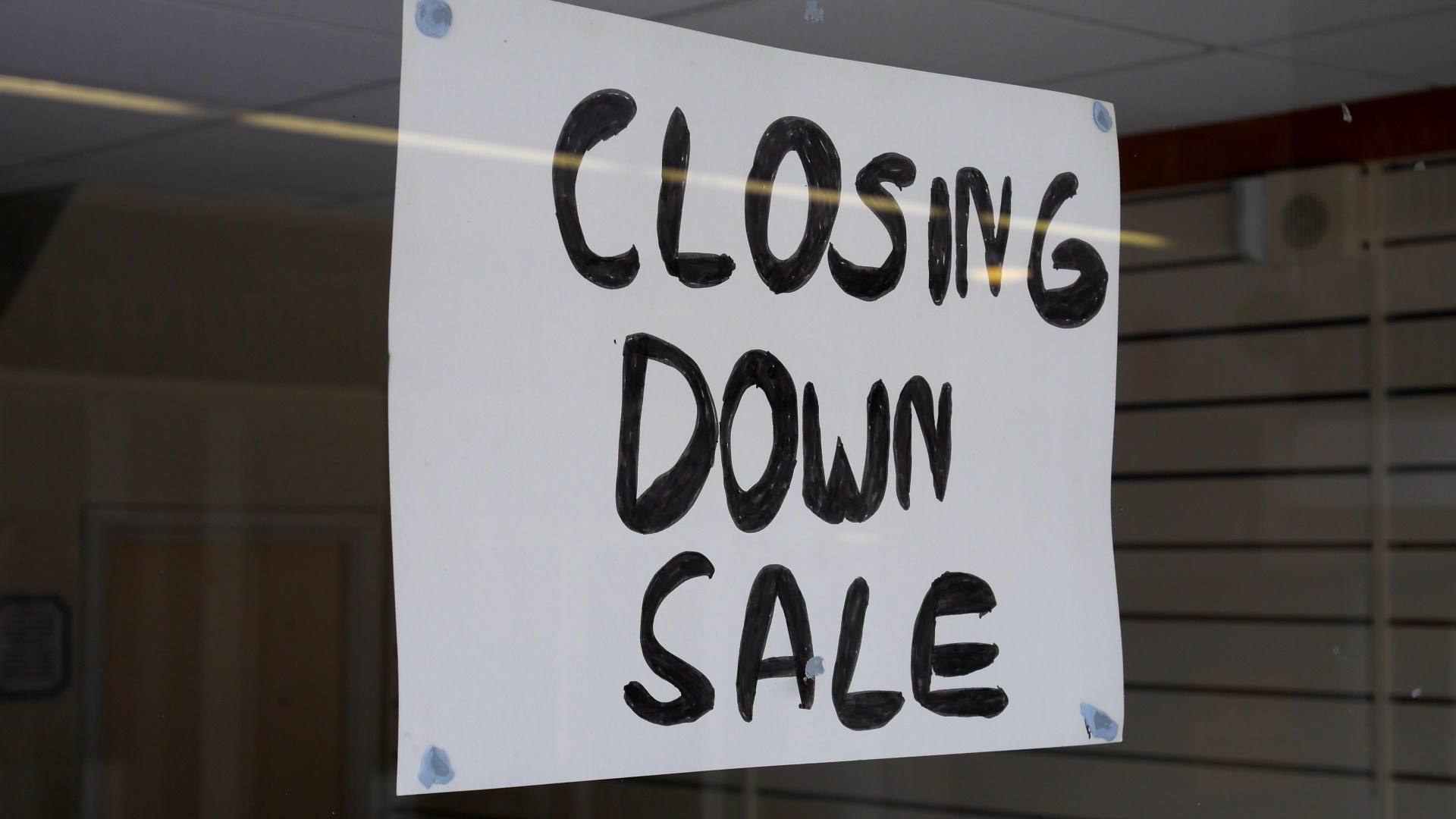
The fashion retail landscape is constantly evolving, with brands adapting to changing consumer preferences and market dynamics. H&M, a prominent player in the fast-fashion industry, has recently announced the closure of its Monki store in Manchester’s Arndale Shopping Centre, with six more locations slated for either closure or merger with its Weekday brand. This strategic move aims to create a multi-brand destination catering to the evolving tastes of young shoppers, who increasingly seek curated shopping experiences that offer a diverse range of styles and expressions. H&M believes that by integrating Monki into the Weekday brand, they can create a more compelling and comprehensive offering that resonates with this target demographic. While the Manchester Monki store has launched a closing-down sale, other locations remain open for now. However, the future of the remaining six UK Monki stores hangs in the balance, with H&M yet to specify which will close and which will transition into Weekday multi-brand hubs. Existing Monki stock will continue to be accessible online via the Weekday website and will also be available in select Weekday stores. Interestingly, the restructuring will also see Cheap Monday lines introduced into Weekday stores, further diversifying the product offerings under the Weekday umbrella.
H&M’s Performance and The Retail Climate:
This restructuring comes against a backdrop of challenging market conditions for H&M, reflected in its stagnant sales growth during the first nine months of the current financial year. The retailer reported flat net sales compared to the previous year, attributing the slow start to the third quarter to unusually cold weather. While sales saw a slight improvement in July and August, the overall performance underscores the difficulties faced by the retail sector. H&M’s situation reflects broader struggles in the retail industry, grappling with rising business rates, high inflation squeezing consumer budgets, and the ever-growing dominance of online shopping, which has significantly impacted in-store foot traffic.
The Broader Retail Landscape: Challenges and Opportunities:
The retail sector faces a multifaceted challenge, encompassing economic pressures, shifting consumer behaviors, and increased competition. High business rates and inflation have placed significant financial burdens on retailers, while consumers are increasingly opting for the convenience and often lower prices offered by online shopping. This shift has led to reduced footfall in physical stores, impacting profitability and forcing many retailers to reassess their strategies. Several well-known chains, including Wilko, Homebase, and Paperchase, have succumbed to these pressures and entered administration. However, the downturn is not universal, with some retailers managing to thrive and expand despite the challenging conditions. Discount supermarkets like Aldi are actively opening new branches, capitalizing on consumer demand for value-driven options. Similarly, specialized retailers such as Gails bakery have seen significant growth, demonstrating that adaptability and meeting specific consumer needs can still lead to success.
The Plight of Independent Retailers:
The challenges facing independent retailers are even more acute. The British Independent Retailers Association (BIRA) reports one of the most difficult years for independent shop owners, with a marked decline in non-food spending, reduced footfall, and fragile consumer confidence taking their toll. The rise in in-store crime, with an alarming 78% of independent businesses reporting theft incidents in the past year, adds another layer of difficulty for these already struggling enterprises. The combination of economic pressures and increased security concerns creates a precarious situation for many small businesses.
The Reasons Behind Store Closures:
The increasing number of empty shops on high streets is a visible manifestation of the challenges facing the retail industry. Several key factors contribute to store closures, most notably the shift to online shopping. Falling in-store sales, coupled with rising staff costs, have made maintaining physical locations significantly less profitable and, in many cases, unsustainable. Some retailers attempt to adapt by relocating to more favorable high street locations or opting for larger spaces in retail parks, often driven by changing demographics and the desire to provide more convenient access and free parking, which customers increasingly prioritize over traditional high street locations. The demise of several prominent retail chains further illustrates the pressures, with bankruptcies often leading to the closure of physical stores, even when brands are subsequently acquired for their online presence. This trend highlights the increasing importance of e-commerce and the ongoing challenges facing traditional brick-and-mortar retail.
H&M’s Strategic Response and Future Outlook:
H&M’s decision to consolidate its Monki and Weekday brands represents a strategic response to the changing retail landscape. By creating a more streamlined and integrated brand experience, H&M aims to better appeal to the evolving preferences of young shoppers. While the closures of Monki stores may signal a retreat from certain physical locations, the integration of Monki into the online and select physical presence of Weekday suggests a move towards a multi-brand strategy. This allows H&M to retain some aspects of the Monki brand identity while leveraging the established Weekday infrastructure. The long-term success of this strategy will depend on H&M’s ability to effectively integrate the two brands and create a compelling offering that resonates with its target audience. The challenges facing the wider retail sector remain significant, and H&M, like other major retailers, will need to adapt and innovate to navigate this evolving landscape successfully.
The Future of Retail:
The retail sector is at a crossroads. While online shopping continues to reshape consumer behavior, physical stores still hold a valuable role, particularly for brands that can create engaging and experiential retail environments. The success stories of businesses like Aldi and Gails demonstrate the importance of catering to specific consumer needs and adapting to market demands. The challenges, however, are significant, and retailers will need to prioritize efficiency, innovation, and a deep understanding of their target audiences to thrive in this increasingly competitive and dynamic market. The future of retail likely lies in a blend of online and offline experiences, with successful retailers finding the optimal balance between digital convenience and the tangible benefits of physical stores. For H&M and other similar brands, navigating this evolving landscape will require strategic vision, adaptability, and a commitment to creating compelling brand experiences that resonate with today’s consumers.