
The allure of Jellycat plush toys has transcended mere childhood comfort, evolving into a lucrative collector’s market. Once simply adorable companions, these cuddly creatures now represent potential financial gains for savvy owners and investors. This remarkable surge in popularity, fueled by social media platforms like TikTok, where Jellycat toys boast over a billion views, has transformed certain limited-edition and discontinued items into highly sought-after treasures. The company’s practice of “retiring” products annually contributes to this phenomenon, creating scarcity and driving up resale prices considerably. This intentional scarcity, combined with the high-quality design and endearing aesthetic of the toys, has cultivated a fervent collector community dedicated to acquiring and preserving these plush gems.
The value of retired Jellycats hinges on several factors, including rarity, condition, and original packaging. Preserving the original tags is paramount to maintaining value, as collectors prioritize authenticity and provenance. Limited-edition releases, like the Bashful Kara Bunny from 2012, exemplify this trend, commanding prices upwards of £500. The “Amuseables” range, featuring whimsical plush renditions of everyday objects, further demonstrates this escalating value, with some items reselling for over £350. This eclectic collection resonates with a broad audience, contributing to the overall appeal and collectibility of Jellycat toys.
Navigating the Jellycat market requires vigilance and awareness. The burgeoning popularity of these plush toys has spawned a wave of imitations, making it crucial for buyers to verify authenticity. Sticking to reputable sellers and scrutinizing product details are essential precautions to avoid counterfeit items. Conversely, sellers can leverage online platforms like eBay and dedicated Jellycat forums to connect with potential buyers. However, sellers should be mindful of eBay’s commission structure, opting for free-listing periods to maximize their returns.
Toy expert Peter Jenkinson, also known as the “toyologist,” offers valuable insights into identifying promising investments within the Jellycat universe. He highlights the Snowdragon, the Sandcastle, and the Bartholomew Bear backpack as current releases with potential for future appreciation. These items, due to their higher price point, intricate design, or deviation from the core range, are predicted to have lower production runs and higher resale potential. Jenkinson also emphasizes the collectability of seasonal and special-release items, such as the Fish and Chips set and Christmas-themed toys, suggesting these limited-run items will likely see significant value increases.
The Jellycat collector market demonstrates remarkable parallels to the Steiff bear market, where antique and rare bears command thousands of pounds. This comparison underscores the enduring appeal of high-quality plush toys and their potential for long-term investment. Certain Jellycat bunnies, like the retired Bashful Sherbet Bunny, have already witnessed significant price increases, reflecting a trend similar to that of vintage Steiff bears. This suggests that strategic acquisition and careful preservation of select Jellycat toys could yield substantial returns in the future.
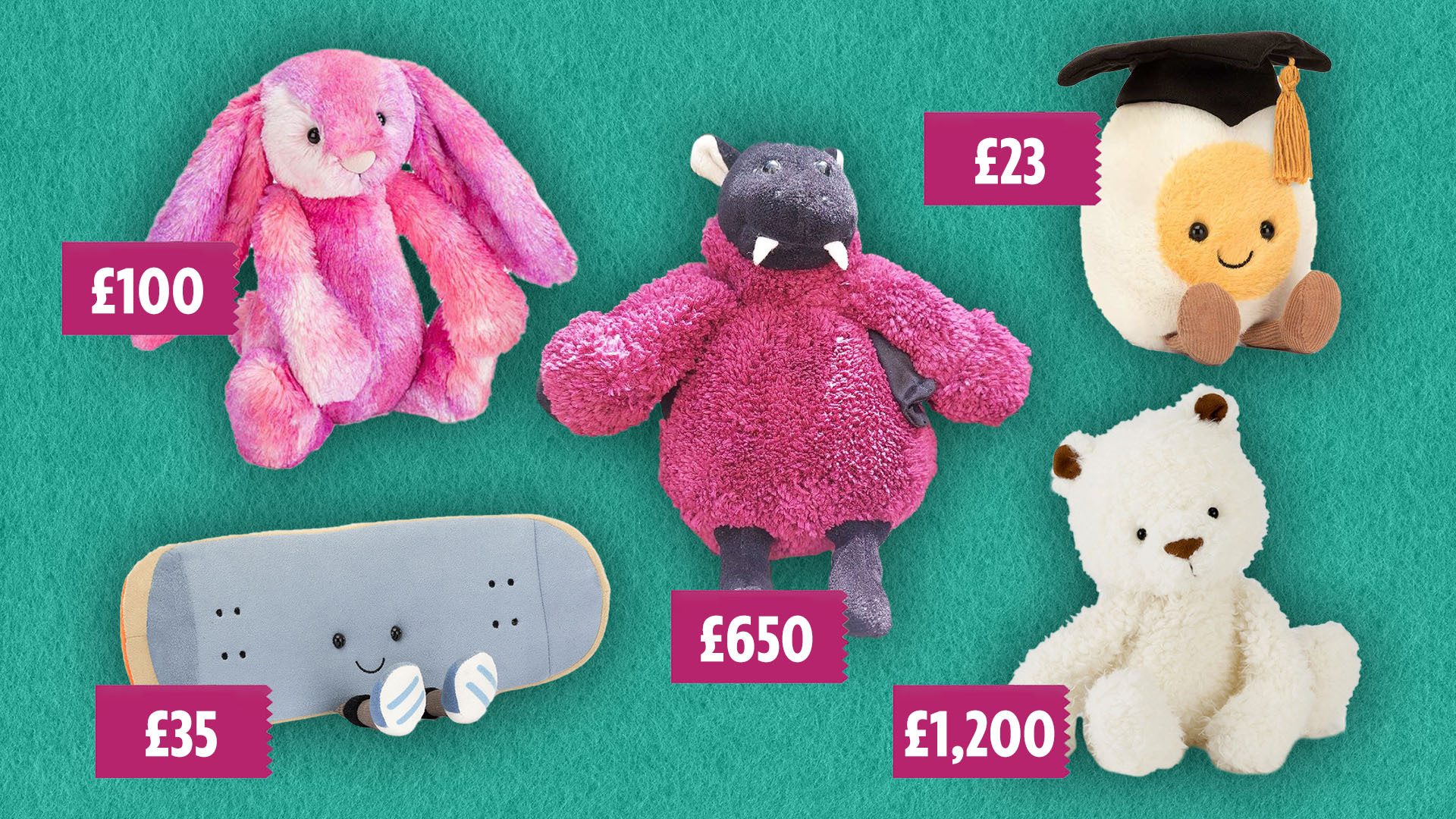
Among the most valuable Jellycats, the Bashful Bunnies stand out, often exceeding £100 in resale value due to their shorter production runs. The Amuseables range also boasts valuable items, particularly the Graduation Egg and the Skateboard, which are predicted to appreciate significantly. Limited-edition pieces like the Poloneck Peeker Posse Bat and the Snowy Bear are exceptionally rare and command the highest prices, reaching up to £650 and £1,200, respectively. These examples illustrate the considerable investment potential within the Jellycat market and highlight the importance of recognizing key factors like rarity, condition, and provenance when assessing the value of these coveted plush toys.