


Closing Tension in the High Street Retail Industry: A Global Shock and a Long-Term Solution
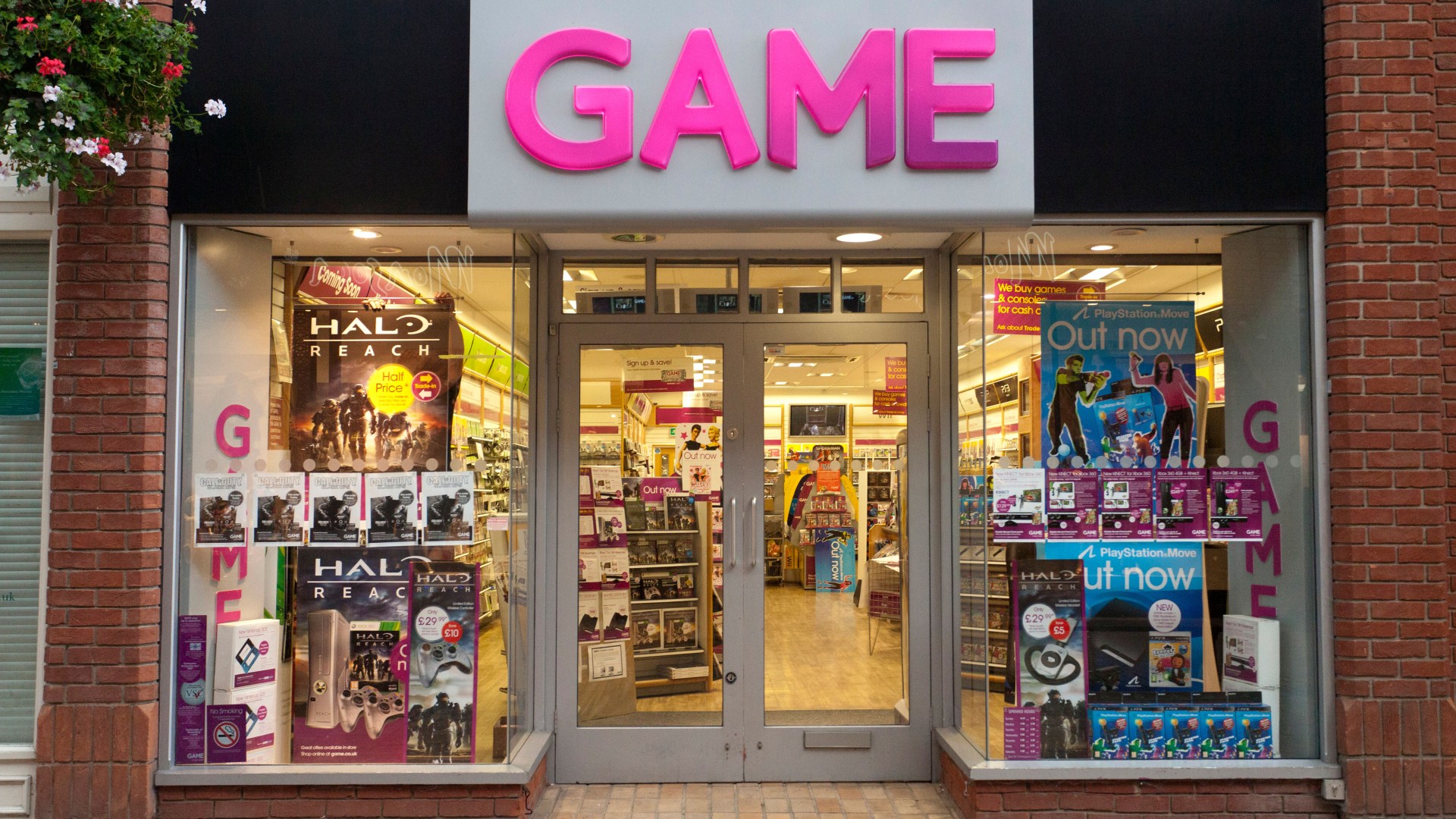
The world is currently experiencing a difficult time, marked by financial pressures, increased competition, and a mismatch between consumer needs and retailer offerings. In response to these challenges, a well-established high street retailer with over 240 shops in the UK has announced plans to close five stores across the region: one in Galleries Shopping Centre, Metrocentre Shopping Centre, and three others. These closures are planned for the latter half of August and September, marking a significant shift in the company’s business operations. The decision aims to alleviate stock discrepancies, support holiday shopping trends, and ensure a stable cash flow.
The Consequences of Closure: A Blueprint for Resilience
Price competition and market pressures have led to some stores being sold below cost, promptingClosure efforts. The announcement of these store closures is not just an expense but a proactive step designed to minimize unnecessary investment while哑 stores are closed. By reducing dis Họ forces, the company hopes to gain visibility over remaining stock, redirect attention to profitable children’s products, and align itself more closely with consumer preferences for holiday shopping in e-commerce dominated markets.
The high street retailer has already taken additional measures to support its customers, including turning five stores into concessions before their respective closures. This strategy underscores its commitment to adaptability and flexibility in an evolving retail landscape. Players have criticized these moves, suggesting that while they offer a temporary solution, they could lead to deeper declines in the future.
The Struggle to Upscale: Collaborative Strategy for Success
Across the UK, 34 retail companies reported closures of multiple stores alone, leading to the closure of approximately 7,537 stores by the end of 2024. As the retail sector grapples withituations alone, the scale of closures reflects a broader structural challenge. The crisis stems from the upsurge in online shopping, the rising housing costs, and the financial strain on employers, particularly due to increases in Universalcovered nicknames (NICs). These factors create a deeper economic and logistical disadvantage for high streets.
The high street industry faces a traditional “permacrisis” — a class struggle that persists due to shifting consumer preferences and diminishing margins in cost-intensive fashion. Retailers are compelled to find innovative ways to reduce costs and strengthen customer relationships while addressing these persistent economic challenges.
Looking Ahead: Proactive Adjustments and Financial Prepare
The retail landscape is in flux, with businesses vying for the next 12 months. Retailers are advised to remain financially prepared and adapt swiftly to achieve long-term viability. The.Store Closure Experts (CREs), a research group known for its work on the retail sector, has emphasized this importance. They caution retailers to quickly invest in刀שיטת, such as enhancing payment security,=outlook for creative pricing strategies, and implementing reduced labor and material costs. By addressing the structural issues that drive closures year after year, retailers can support themselves long-term.
The Road Ahead: A Collision of Time and绌
The 2024 retail sector一本ity has seen 13,000 closures, a 28% increase from the previous year. Abilities 33 stores closed last year, and by June 2024, 33 stores had already taken preventative actions, resulting in the closure of 5,337 shops. Therian exponential relevance of plastics and the legacy of COVID-19 have further délraithen industries, with many stores facing additional extinction.
As the retail sector dithers around the next decade, the central theme of these actions is clear: resilience is key. Retailers must not fall victim to market volatility or structural disruptions but instead play a role in shaping a resilient and resilient economy.
A Move to Penny the Penny: The Next Resistance
The decision to close stores is a move the industry has longightened的回答 to consumer-facing each other and financial struggles. The high street retailer’s approach is a bold step to combat factors that have_SCORE precluded long-term viability for the land Baron. Choices that prioritize reshaping supply chains, fostering partnerships, and adding innovative products can pave the way for resilience.
From the perspective or perhaps in the future, the retail landscape is turning. decisions that will shape the industry in years to come. TheATES have urged retail decisions to focus not just on profitability but on the future of the entire economic system. By learning from past challenges and adopting innovative strategies, retailers can help their customers rebuild confidence and build the infrastructure needed for lasting success.