


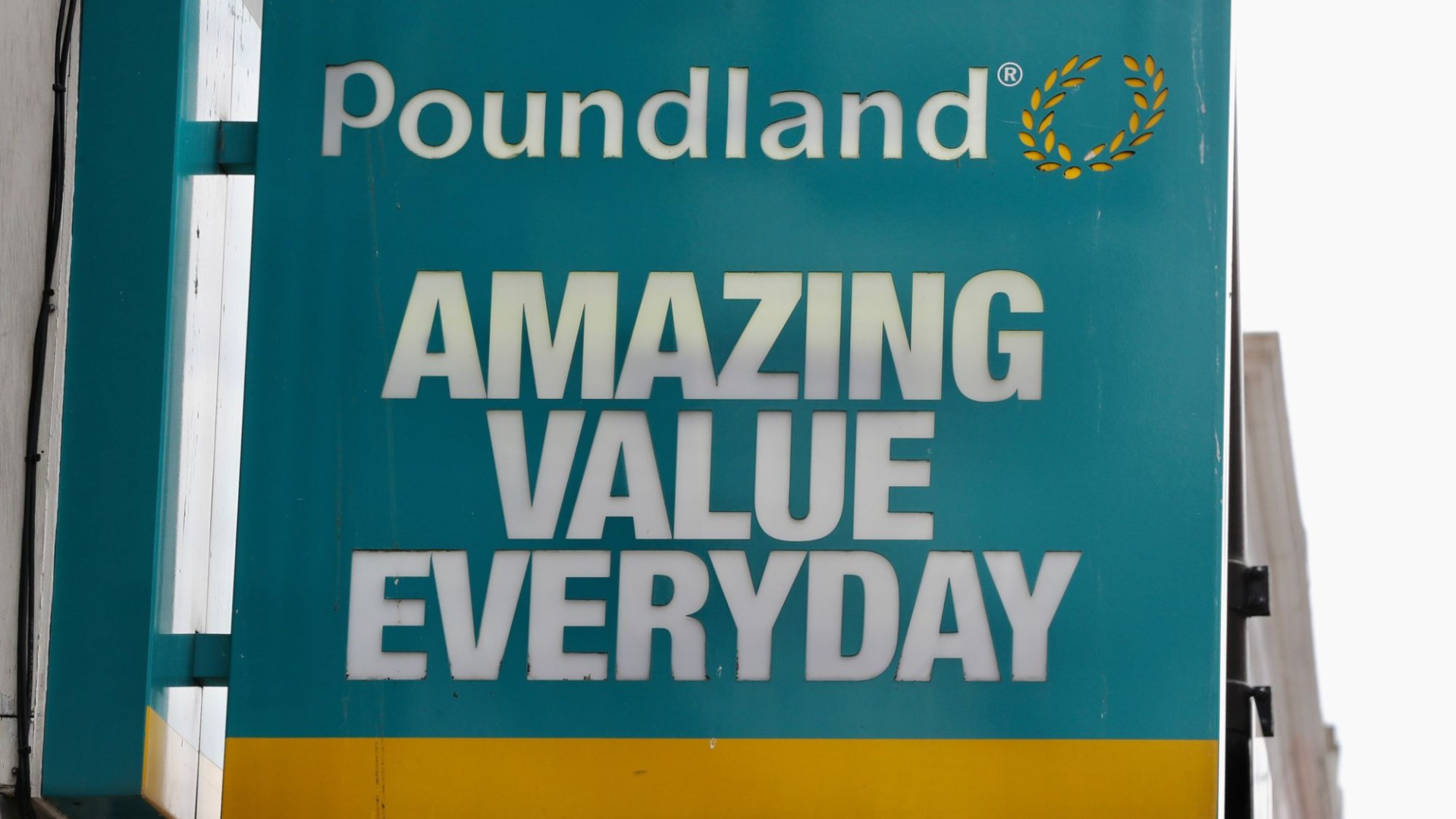
The closure of a Poundland store in Bolton, a prominent UK high street chain with over 800 branches, has sparked concern and disappointment among local shoppers. Bolton Council, the landlord of the property, seized the store and issued a forfeiture notice due to alleged unpaid rent. The council asserts that a “longstanding amount” was owed, impacting local taxpayers. However, Poundland insists that a substantial rental payment was recently made and that they anticipate being in credit once lease negotiations conclude. This conflicting narrative highlights a communication breakdown between the two parties, raising questions about administrative oversight. The council expresses confidence that the issue stems from an administrative error and aims to swiftly resolve the matter, allowing the store to reopen within days. Poundland echoes this sentiment, expressing surprise at the council’s action and their commitment to discussing the situation and reopening as soon as possible.
The store closure has amplified anxieties surrounding the decline of Bolton town centre. Shoppers have expressed dismay on social media, lamenting the potential loss of another retail space and the possibility of its conversion into flats, further contributing to the perceived “ghost town” atmosphere. Concerns have been raised about the dwindling attractiveness of the town centre and the increasing dominance of charity shops. Local councillor Linda Thomas has acknowledged the store’s popularity and expressed hope for its relocation within the town centre’s ongoing regeneration efforts. She emphasizes the importance of retaining such retail outlets to cater to the growing community. The forfeiture notice affixed to the store’s shutters underscores the seriousness of the situation, prohibiting unauthorized entry without prior consent from designated authorities.
Poundland, established in 1990, boasts over 850 stores across the UK and Republic of Ireland, employing approximately 18,000 individuals. This incident comes at a time of widespread challenges for high street retailers. The retail sector has faced significant pressures in recent years, including the impact of the pandemic, rising energy costs, increasing online competition, and the cost-of-living crisis, which has dampened consumer spending. These factors have contributed to numerous high street closures and job losses.
The Centre for Retail Research reported a decline in retail job losses in 2023 compared to the previous year, with 10,494 store closures and 119,405 job losses. While this represents a slight improvement, experts caution that it’s more a case of “less bad” than a genuine positive trend. Although the collapse of prominent retailers like Wilko contributed significantly to job losses, many large companies had already succumbed to financial difficulties in prior years. The cost-of-living crisis, inflation, and rising interest rates have forced consumers to cut back on spending, further impacting retailers. Simultaneously, retailers grapple with escalating energy and occupancy costs, staff shortages, and declining demand, making post-pandemic recovery challenging.
While many store closures were driven by cost-cutting and reorganization efforts rather than outright business failures, experts predict further closures in 2024 as economic pressures persist. The collapse of The Body Shop and Ted Baker into administration exemplifies the ongoing struggles of the retail sector. Social media reflects public sentiment, with shoppers expressing sadness over store closures and concern about the future of their local high streets. The convenience and accessibility of supermarkets are often highlighted as factors contributing to the sense of loss.
The Centre for Retail Research’s figures for 2024 paint a grim picture, with 8,543 store closures and over 130,000 retail jobs lost. The increasing popularity of online shopping has further exacerbated the challenges faced by brick-and-mortar stores. Unfavorable weather conditions, such as prolonged periods of wet weather, have also contributed to decreased foot traffic on high streets, compounding the difficulties faced by retailers. The closure of the Bolton Poundland store underscores the broader challenges facing the retail sector, highlighting the vulnerability of even established high street chains in the face of economic and societal shifts.
The Poundland closure in Bolton exemplifies the larger struggles impacting the UK high street. Soaring energy costs, the rise of online shopping, and reduced consumer spending due to the cost-of-living crisis have created a perfect storm for retailers. While the Bolton Council and Poundland work to resolve their immediate dispute, the long-term health of the high street remains uncertain. The closure serves as a stark reminder of the challenges facing businesses and the need for innovative solutions to revitalize town centres and adapt to changing consumer habits. The future of the high street will depend on the ability of businesses, local authorities, and communities to work together to create vibrant and sustainable retail environments.