


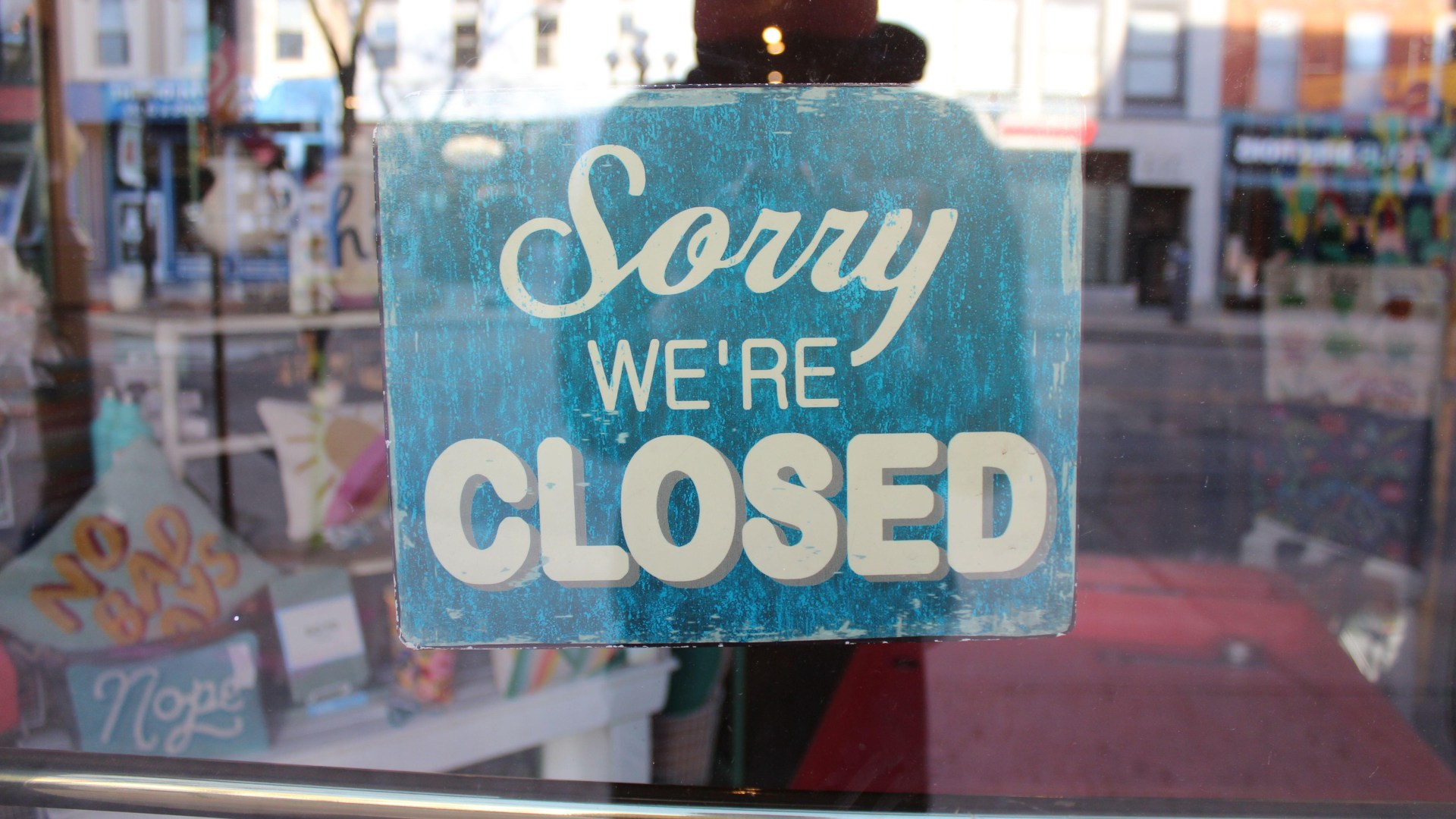
The prominent high street retailer, New Look, with approximately 400 branches nationwide, is continuing its wave of store closures, shuttering its Swindon town centre location. This closure follows a pattern of similar actions across the UK, leaving some shoppers dismayed at the dwindling retail presence in their town centres. The Swindon branch, operational since 1997, will cease trading, directing customers to their next closest location at the Orbital Retail Park, situated on the town’s outskirts. This trend of closures underscores the challenges faced by brick-and-mortar retailers in the evolving landscape of consumer behaviour and economic pressures.
The closure of the Swindon branch evokes sentiments of disappointment and concern among local shoppers who frequented the store. Social media platforms have become outlets for these sentiments, with individuals expressing their dismay at the diminishing retail options available in the town centre. This closure follows the pattern of others across the country, including branches in Medway, Kent, Gillingham, Perth, Leigh, and Cumbernauld, amongst others. The recurring theme of these closures points to a broader narrative of changing consumer habits and the challenges faced by traditional retailers in adapting to them.
Despite the string of closures, New Look is not solely focused on downsizing. The company has also been strategically opening new stores, reflecting a dynamic approach to adapting to market trends and consumer demand. This dual strategy of closures and openings allows the retailer to optimize its presence by relocating to more profitable locations or expanding in areas with growth potential. For example, New Look opened a larger store in Leicester’s Fosse Park Shopping Park and a new branch in Grimsby, indicating a responsive approach to market dynamics.
The retail sector as a whole is grappling with various challenges, including high inflation, a cost-of-living crisis impacting consumer spending, and the rising popularity of online shopping. These factors have created a difficult environment for many retailers, leading to declining footfall in physical stores and impacting profitability. The shift towards online shopping has accelerated during and after the pandemic, further exacerbating the challenges faced by traditional retailers. This changing landscape requires retailers to adapt and innovate to remain competitive.
Several major retail chains have succumbed to these pressures, falling into administration. Notable examples include Wilko, Homebase, Ted Baker, and The Body Shop. While some stores have been salvaged through rescue deals, the landscape remains challenging, and the pressure on the sector is expected to persist. Furthermore, government policies, such as the planned increase in employer National Insurance contributions, have raised concerns about further price increases and potential job losses, adding another layer of complexity to the retail sector’s predicament.
The closure of high street stores reflects a broader trend of changing consumer behaviour, driven by the convenience and often lower prices offered by online retailers. This shift has led to decreased footfall in town centres, impacting the viability of traditional retail businesses. The ease of online shopping, coupled with rising costs associated with running physical stores, including staff wages and rent, has made it increasingly challenging for some retailers to remain profitable. Additionally, the rise of retail parks, offering free and convenient parking, further draws shoppers away from town centres, where parking charges can be a deterrent. This combination of factors has created a challenging environment for high street retailers, leading to closures and a shift in the retail landscape.