
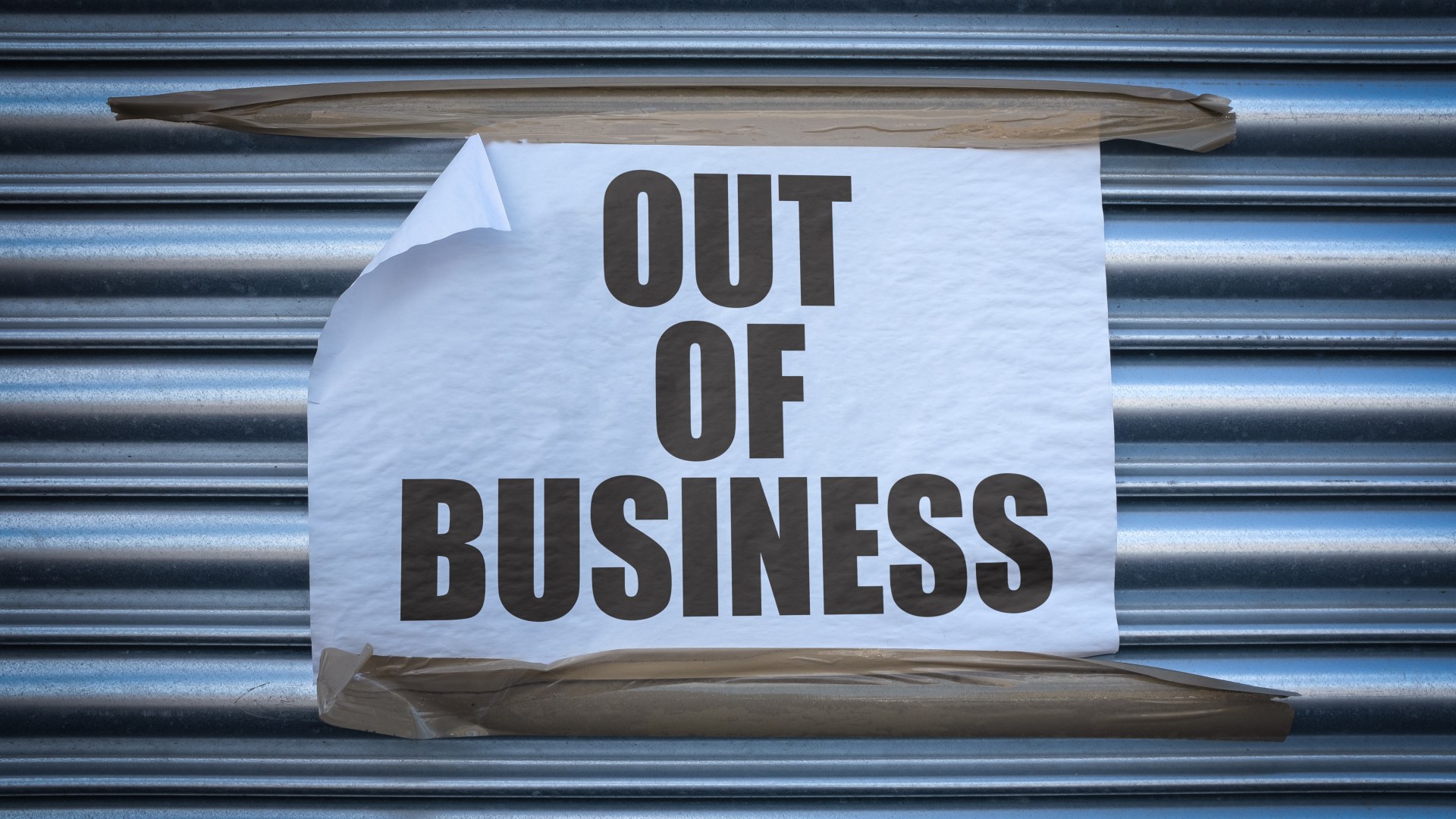
The closure of a popular New Look store in Swindon Town Centre marks another blow to the struggling British high street. Part of a chain with around 400 branches across the UK, the Swindon branch, operating as a clearance outlet, will shutter its doors on December 23rd, leaving local shoppers dismayed and staff facing job losses just before Christmas. The abrupt announcement, delivered to employees on Thursday, has sparked concerns about the future of retail in the town center. While the landlord is actively seeking new tenants, the uncertainty surrounding the space highlights the challenges facing brick-and-mortar stores in an increasingly online-centric retail landscape.
This closure mirrors a broader trend of retail decline across the UK. New Look itself recently closed a long-standing branch in Gillingham, Kent, after 30 years of operation, further emphasizing the pressures on traditional retail models. The company encourages customers to continue shopping online, a testament to the shift in consumer behavior that is contributing to the demise of physical stores. Other retailers, including Wilko, Claire’s, and Debenhams, have also recently closed stores in the region, leaving gaping holes in town centers and raising concerns about the vitality of local economies.
The decline of the high street can be attributed to a confluence of factors, the most prominent being the rise of online shopping. The convenience and often lower prices offered by e-commerce giants have drawn consumers away from traditional stores, impacting sales and increasing operating costs for brick-and-mortar retailers. The increasing costs of staffing, coupled with dwindling foot traffic, have made it difficult for many stores to remain profitable, leading to widespread closures.
Another contributing factor is the changing dynamics of urban spaces. Retail parks, with their ample free parking and larger store formats, have become increasingly attractive to shoppers, particularly as local councils raise parking charges in town centers. Major retailers like Next and Marks & Spencer have strategically shifted their focus to retail parks, often closing smaller high street branches in favor of larger, more profitable locations. This exodus further exacerbates the decline of town centers, creating a vicious cycle of declining foot traffic and store closures.
The recent spate of retail bankruptcies, including Wilko, Debenhams, Topshop, Dorothy Perkins, and Paperchase, has added another layer of complexity to the high street crisis. While some brands are acquired and continue to operate online, the physical presence of these stores is often drastically reduced or eliminated entirely, leaving further voids in town centers. This trend underscores the challenges facing traditional retail and highlights the need for adaptation and innovation in the face of changing consumer habits.
The closure of the New Look store in Swindon serves as a microcosm of the broader challenges facing the British high street. The shift towards online shopping, coupled with rising costs and changing consumer preferences, has created a difficult environment for traditional retailers. While landlords and local authorities seek solutions to revitalize town centers, the future of the high street remains uncertain, demanding innovative strategies and a reimagining of the role of physical stores in the evolving retail landscape.