


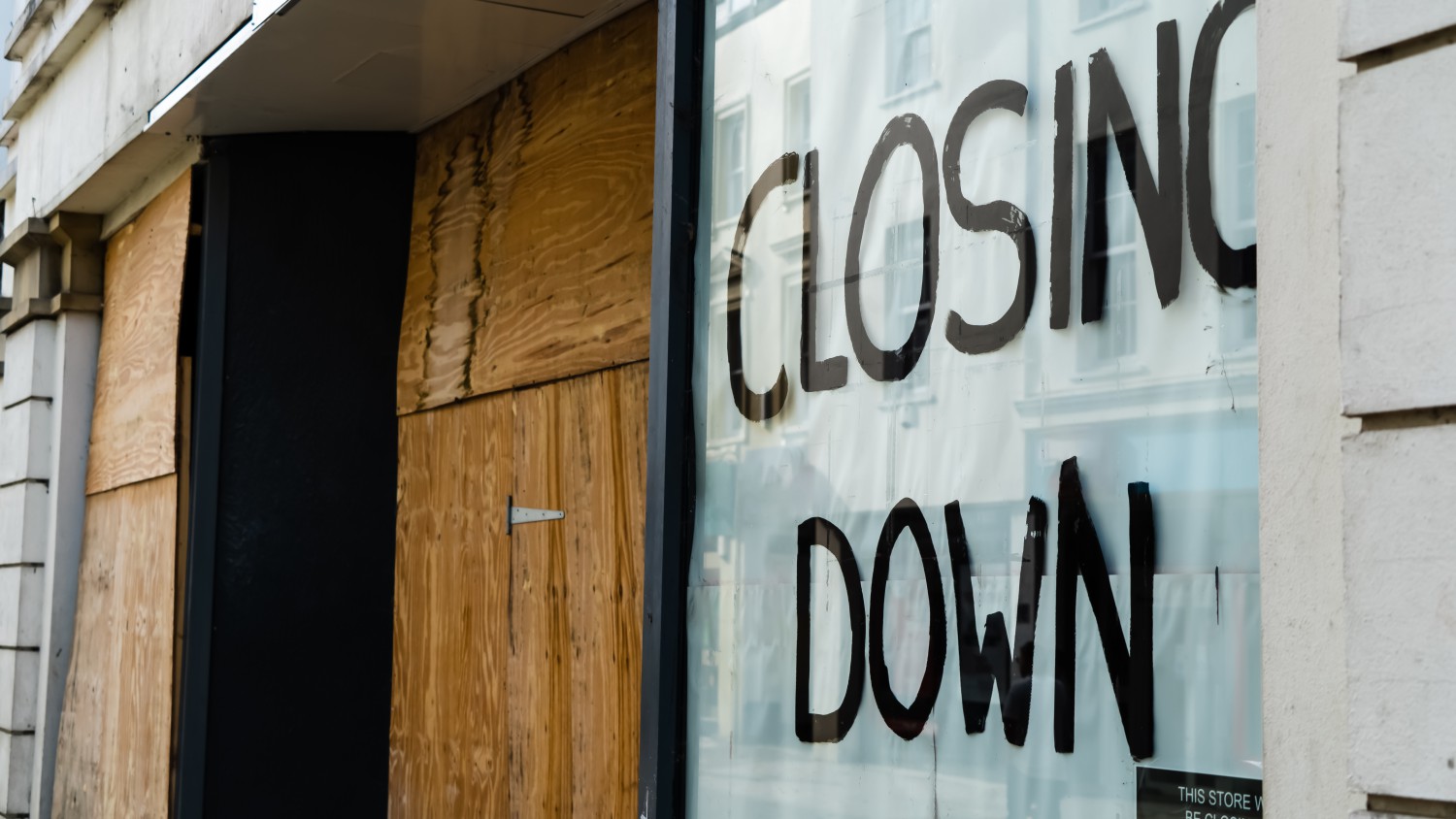
The impending closure of the Deichmann shoe store on Commercial Street in Newport, Wales, marks another blow to the city’s struggling high street. After 17 years of serving the local community, the branch will shutter its doors on January 11, 2025, leaving residents saddened and concerned about the future of their city center. While the official reason for the closure remains undisclosed, it reflects a broader trend of high street decline across the UK, exacerbated by factors such as the rise of online shopping, increasing rent prices, and changing consumer habits. The closure will result in job losses, further diminishing the vitality of the city center.
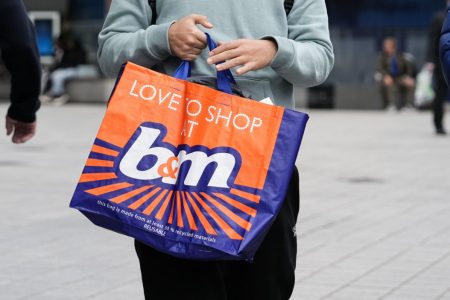
The news of Deichmann’s departure was met with disappointment and apprehension from local residents. Some expressed fears that Newport is becoming a “ghost town,” echoing the fate of other declining urban centers. Others lamented the rising unaffordability of maintaining a physical presence on the high street, a sentiment shared by many businesses facing similar pressures. While the building’s future use remains unconfirmed, speculation suggests a potential conversion into flats, a common repurposing of vacant retail spaces in struggling city centers. The loss of Deichmann follows a string of other high-profile closures on Commercial Street, including B&M, Shoezone, and Wilko, painting a bleak picture for the future of traditional brick-and-mortar retail in the area.
The decline of the high street is a complex issue with multiple contributing factors. The rise of e-commerce has fundamentally changed consumer behavior, allowing shoppers to conveniently browse and purchase goods from the comfort of their homes. This shift has led to a significant decrease in foot traffic in city centers, impacting the profitability of physical stores. Simultaneously, rising rent costs and other operational expenses have squeezed profit margins, making it increasingly challenging for businesses to stay afloat. The Covid-19 pandemic further accelerated these trends, forcing many retailers to reassess their strategies and adapt to a rapidly changing landscape.
The plight of the high street is not unique to Newport. Across the UK, town and city centers are grappling with similar challenges. The allure of retail parks, with their ample free parking and larger store formats, has drawn shoppers away from traditional high streets, where parking charges and limited space often deter customers. Large retailers like Next and Marks & Spencer have responded to this trend by relocating stores from struggling high streets to more profitable retail parks. This trend further exacerbates the decline of city centers, creating a vicious cycle of store closures, reduced footfall, and economic hardship.
Beyond the shift to online shopping and the appeal of retail parks, other factors contribute to the ongoing decline of high streets. The increasing cost of living has squeezed household budgets, forcing consumers to prioritize essential spending and reduce discretionary purchases. This impacts retailers across the spectrum, particularly those selling non-essential goods. Additionally, the rising costs of doing business, including rent, utilities, and staffing, have made it increasingly difficult for smaller retailers to compete with larger chains and online giants.
The closure of Deichmann, while a localized event, underscores a wider issue facing high streets across the UK. The changing retail landscape, driven by e-commerce, shifting consumer preferences, and economic pressures, has created significant challenges for businesses operating in traditional brick-and-mortar settings. Addressing this complex issue requires a multifaceted approach, encompassing strategies to revitalize city centers, support local businesses, and adapt to the evolving needs of consumers. The future of the high street remains uncertain, but it is clear that significant changes are needed to ensure its long-term viability.